

“If the floor wants to be stone, then it should be stone.”
Don Tankersley & Co. on craft, collaboration and getting it right.
For more than 30 years, Don Tankersley Construction has helped shape some of Portland’s most thoughtfully designed homes, built on exceptional craft, close collaboration and lasting relationships. We sat down with founder Don Tankersley to talk about the strawberry farm where it all began, the architect who became an early influence, and the principles that continue to guide the work.


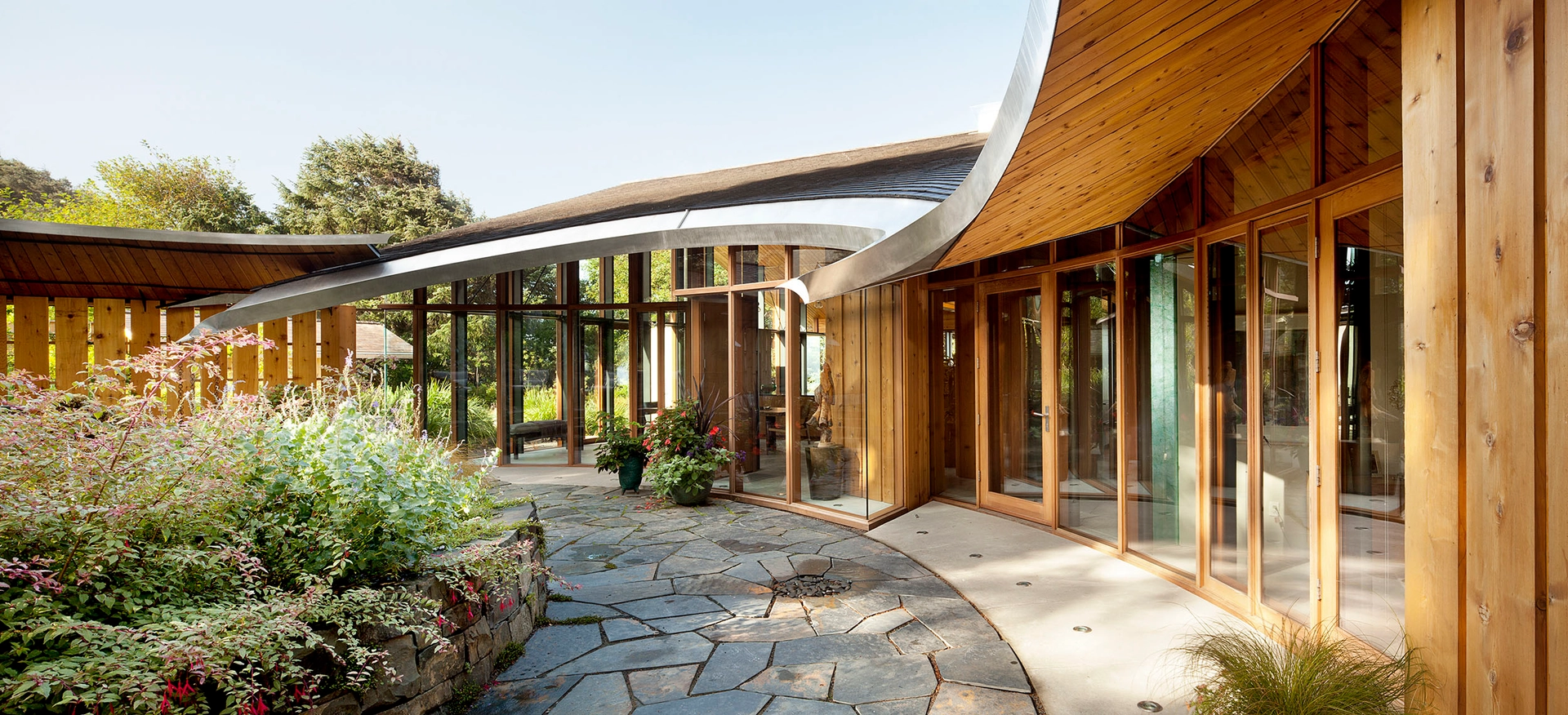
Bowstring Truss House. Photos: Joshua Jay Elliott


Every story has an origin
Q: You grew up on a strawberry farm in Hillsboro, and one of your foundational memories was when your parents built your family home. Looking back, what from those experiences still shows up in the way you approach your work today?
A: I was young when my parents built our family home—maybe eight or nine years old—but it had a big impact on me and the way I see the world.
Mom and Dad are willing to work hard to get the results they need, and they know beauty when they see it. They appreciate good, solid materials and craftsmanship. And because everything had to withstand two young boys, the house was built to be used, and to last. I got to grow up there and see how well that aged over time.
I think that experience still influences me every day.
When I’m working through a detail, I first try to understand the architect’s or designer’s intention—what they are trying to accomplish and what makes it special. Then I think about how that detail will actually get used, how it will be treated by the cleaners, and how it will respond to maintenance years down the road.
For me, good building is about finding that balance between beauty, craftsmanship, and the way something is actually going to live.
The turning point
Q: In 1993, you met an influential designer and architect at Nike and spent a year working together on his home. What did that experience teach you?
A: I met Gordon by fortunate coincidence and was hired to remodel his c.1909 home in SW Portland. The house was very grand and mostly intact, but it had been through a few unfortunate remodels with previous owners. Gordon is an extraordinary designer. Watching him work was an education. He had this ability to strip away anything that shouldn’t be there - making the house feel new, while distilling, enhancing and preserving its best original qualities and character.
Among many lessons, I learned the value of honest materials - their inherent qualities and not just their abstracted aesthetic properties. If the floor wants to be stone, then it should be stone, not something trying to be stone. I learned the importance of understanding common characteristics for a particular time-period and architectural style, because that knowledge can guide you toward the right materials and details. To this day, when I’m faced with an aesthetic decision, I’ll sometimes ask myself, What would Gordon do? It has served me well.
Three years after completing the project, he hired me to do a full remodel of his condo in NW Portland, and the education continued. Those projects will always hold a special place in my heart. They were also where I first met some of the talented carpenters and craftsmen I’m fortunate enough to still work with today.
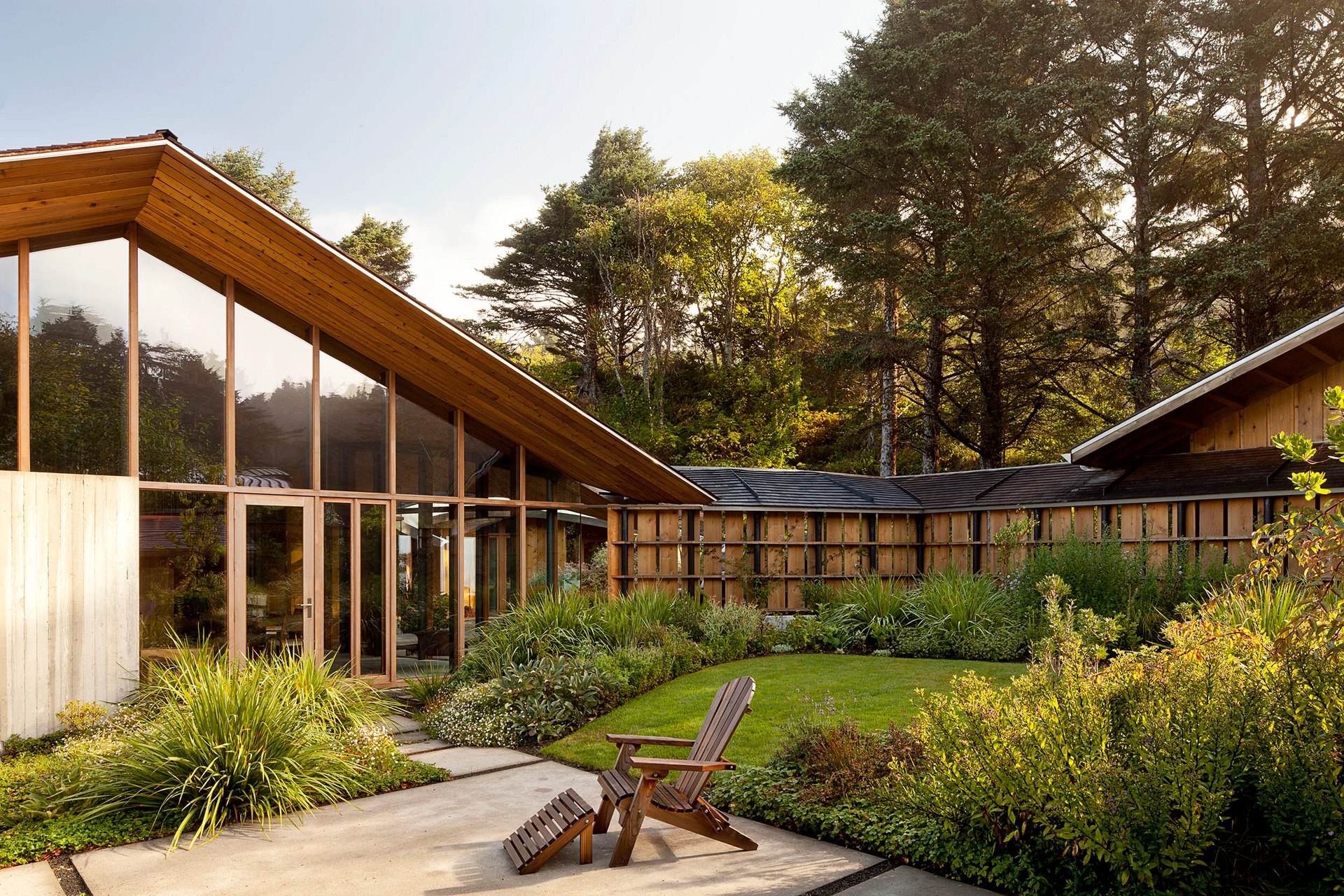
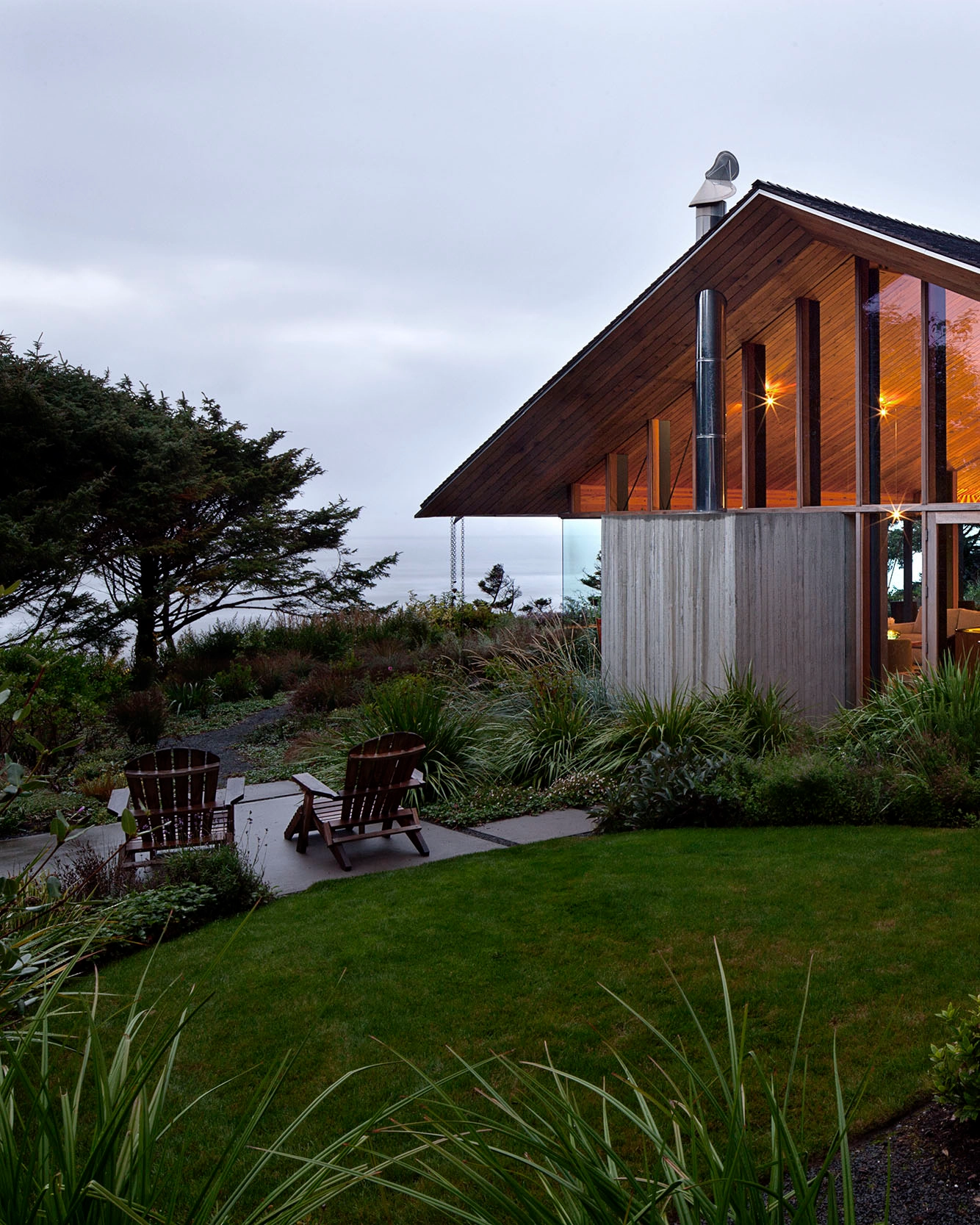
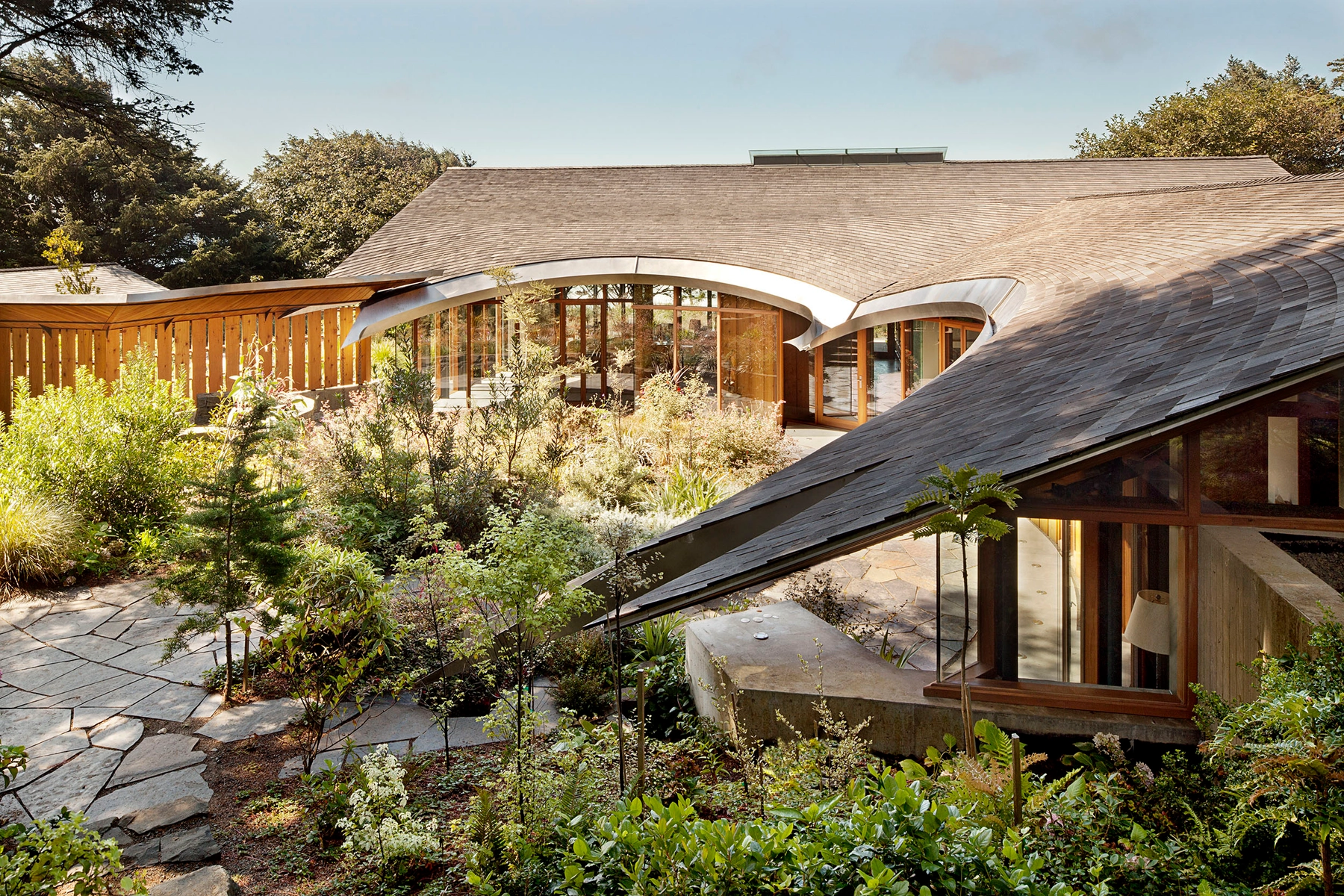
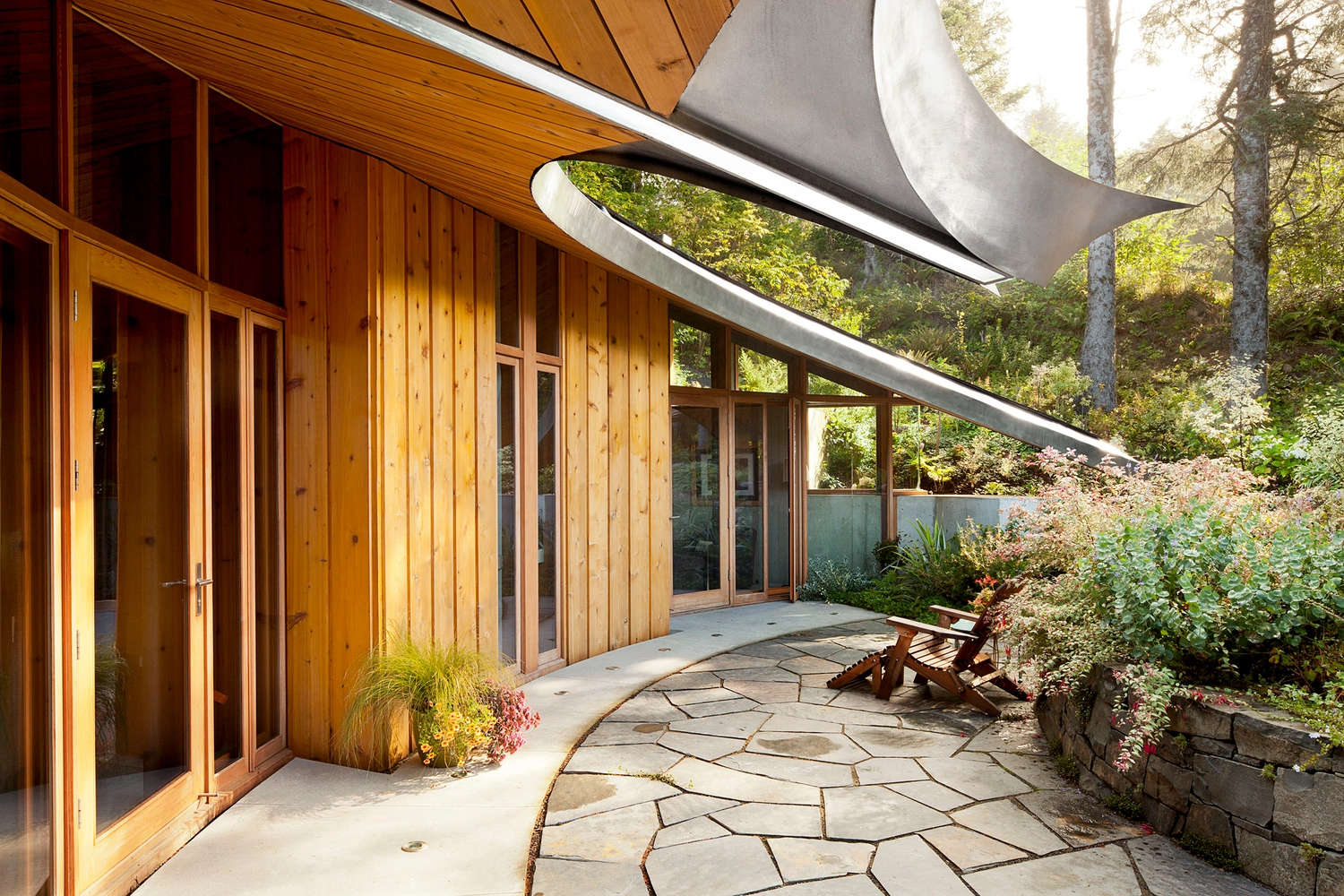
Singing Sands House. Photos: Jeremy Bittermann
WWAFD?
Q: You shared an anecdote about an architect who, when confronted with a design or detailing conundrum, would often ask, “What would a farmer do?” As someone who grew up on a farm, how does that question resonate with you?
A: It’s hard to put into words, because it’s more a way of thinking than a specific answer.
On a farm, you learn pretty quickly that things need to work. You figure out what you have, you use your resources wisely, and you don’t make something more complicated than it needs to be. If something breaks, you fix it. If there’s a better way to do something, you find it. And you take responsibility for the outcome.
I think that mindset has stayed with me.
What would a farmer do? is partly about practicality, but it’s also about resourcefulness and accountability. Look at what’s in front of you, understand the problem, do the work, and make it right.
That’s a pretty good philosophy for building.
There is often elegance and beauty to the honest expression of function, utility and physical materiality. I think that is the spirit an architect is trying to evoke when referencing ‘What would a farmer do?’
Home
Q: When does a house stop being a project and become someone's home? How do you know when you've gotten a home 'right'?
A: When I open a set of plans, I immediately start visualizing the rooms and vignettes, moving through the house and seeing it from different views. In my mind, it starts to become real long before we ever build it. I guess it truly becomes a home when the clients begin to fall in love with it. Once that happens, you have a great responsibility to deliver what they think they’re getting—and hopefully something even better.
Getting a home 'right' is subjective. It has to meet my standards. It needs to be well crafted, and it needs to honor the architect’s intent. But then it has to go beyond that. It needs to exceed the client’s expectations. And you just know when that happens. You see it in their eyes and hear it in their voice. That moment is probably the best measure of whether we got it right.
Building more than homes
Q: DTC has grown into a team of 20 people. As the company has evolved, what principles have remained constant, and what do you hope clients and collaborators feel when they work with your team?
A: We have an extraordinary team. Everyone is different - individually varied, hardworking and uniquely talented - and we combine into something greater than any one of us. A few principles that have always guided us.
Artistry. We are Built-for-Design. For us every project is custom crafted. We embrace the creative process and the significance of design execution - big ideas and small details.
Connection. The nature of our work is inherently interconnected, complex and collaborative - always held in powerful relation with specific people and places. We stay present, curious, and fully engaged.
Trust. We act as trusted advisors and expert practitioners, and we own project outcomes. Our team earns that responsibility over time - with courage to do the hard work, discipline to manage the process, care in relationships, and wisdom to solve difficult problems.
We transform values, vision and physical materials into custom built projects. We think of this as a collective act of service - a way to honor the people we care for and the places they love. More than anything, that’s what I hope our clients and collaborators feel.
Contact info:
Looking for a thoughtful partner for your next project? Discover Don Tankersley & Co.
More in the spotlight
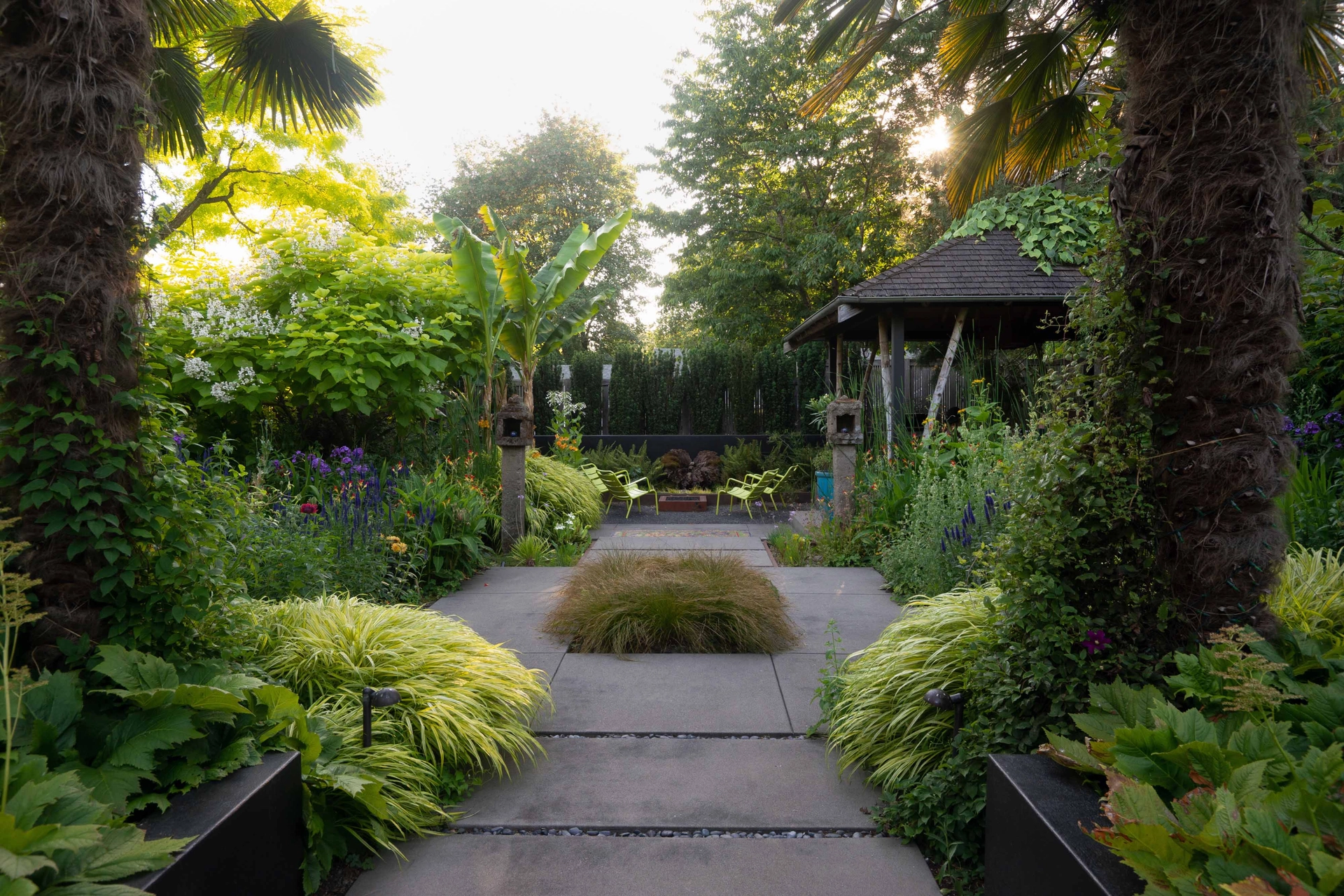
Before Laura Crockett thinks about gardens, she thinks about people. Long before she designed landscapes for clients, she was reshaping the outdoor spaces of her childhood home, where her parents encouraged her curiosity and gave her the freedom to reimagine the gardens around them, planting the seeds for what would become a lifelong fascination with how people connect to nature. That curiosity led her to study horticulture, architecture, construction, and sculpture, each discipline informing the way she approaches landscape design today.
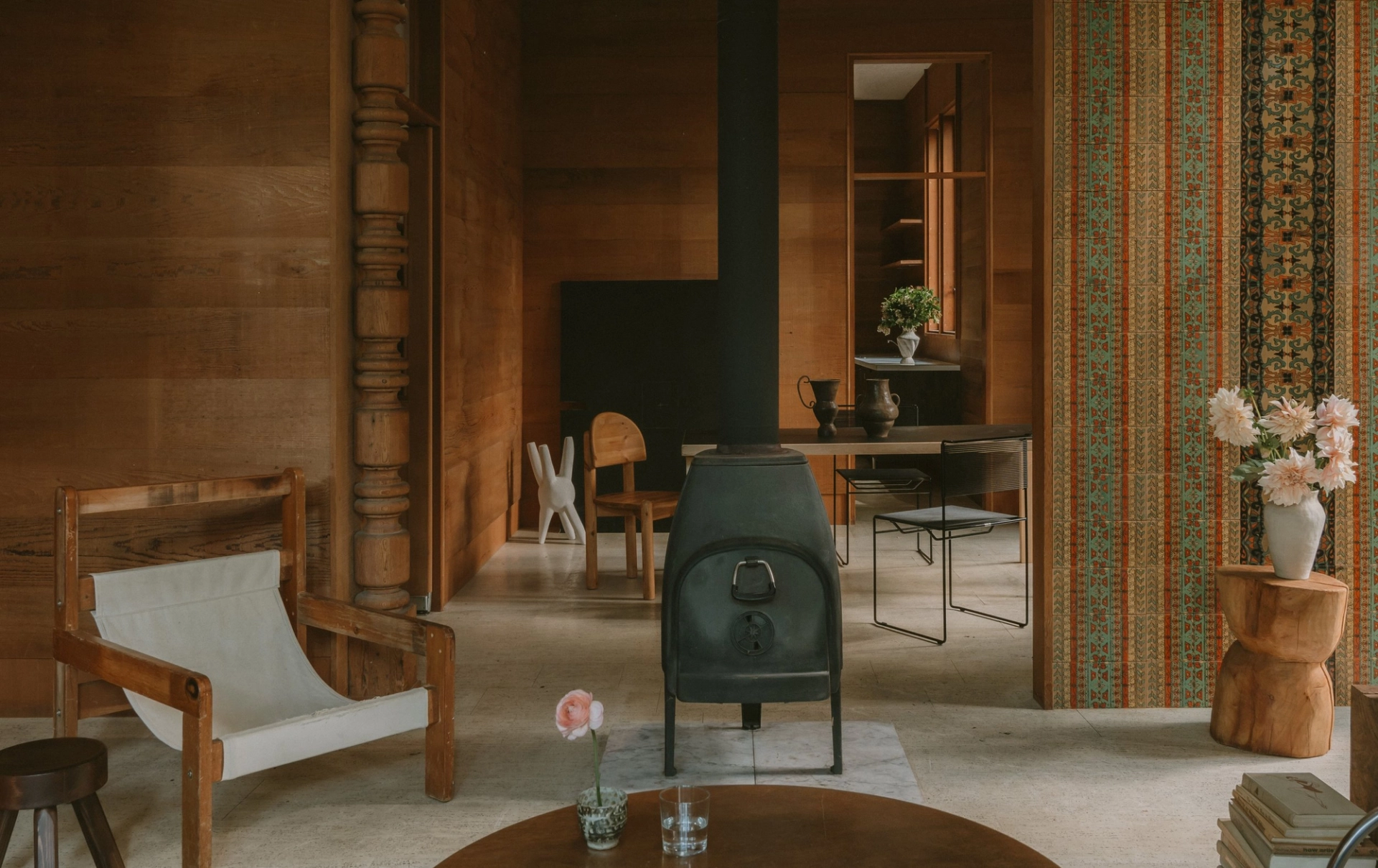
We sat down with Karie Higgins, a Portland-based interior stylist behind Karie Higgins Studio and one third of Assemble Collective. With roots in New Zealand and time spent living in New York, Karie’s work reflects a considered approach to home, balancing modern clarity with timeless design. In this VS Sessions conversation, we talk about place, process, and what it means to create spaces that feel both elevated and lived in.
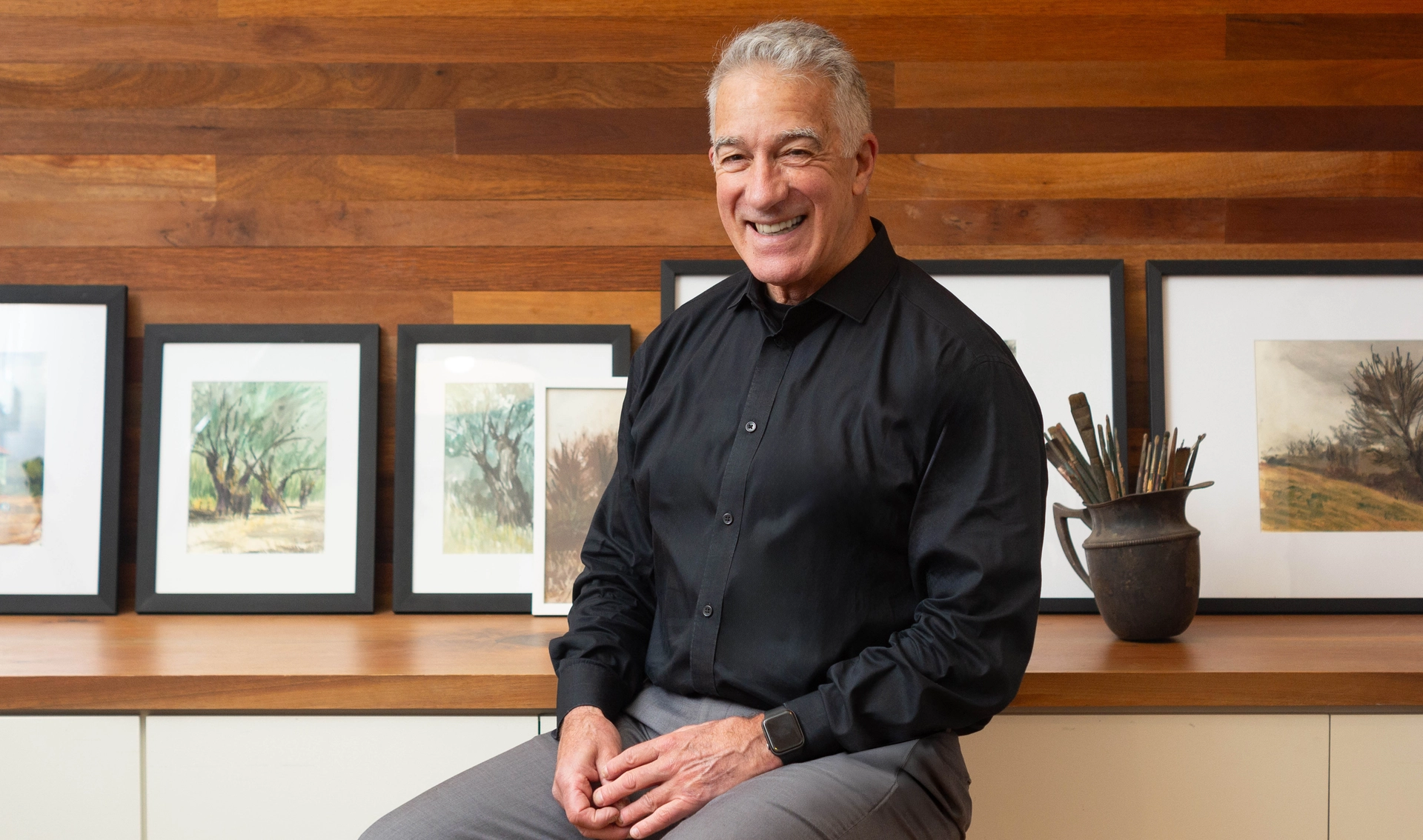
Rick Potestio is a Portland-born architect whose award-winning work through Potestio Studio fuses modern materials with timeless principles of harmony and proportion to create distinctive residential and institutional spaces throughout the Pacific Northwest.