

Where Architecture Meets Art
Photo: Paul Wagtouicz
Styling: Vetiver Street
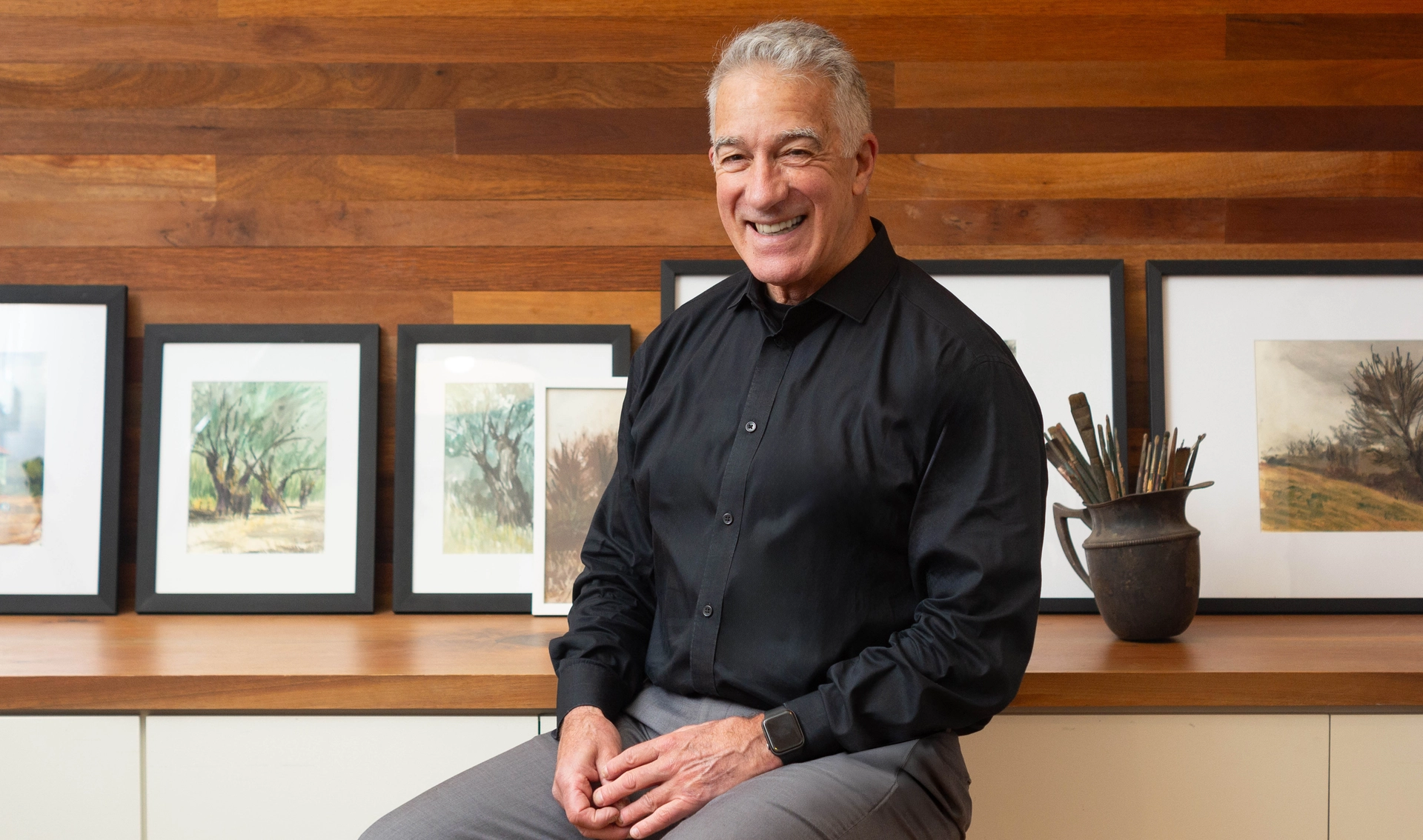
Rick Potestio is a Portland-born architect whose award-winning work through Potestio Studio fuses modern materials with timeless principles of harmony and proportion to create distinctive residential and institutional spaces throughout the Pacific Northwest. Beyond architecture, he channels his design sensibility into visual art—affirming his identity not just as an architect, but as an artist. We sat down with Rick to explore more about his creative process.


Q: When you are in the zone working on a piece, what kind of environment do you create around you – what is the space, is there sound?
A: I paint outdoors-often in a field or along a waterway on Sauvie Island. My goal is to capture the experience of being in nature, observing the play of light, color, texture, atmosphere…part of that connectivity is listening to nature…so no music or podcasts allowed!
It is amazing how comfortable nature becomes around a person who is sitting still painting for hours…Birds, frogs, little critters, fill the air with their conversations.
Q: When you pick up a brush versus sit down to design a building — how does your mindset shift (or stay similar)?
A: Designing is problem-solving—thinking rationally about something that is to become material. It can be stressful.
Drawing/painting is an act of observing, feeling, and dematerializing the world with lines and colors to find its essence. It is very meditative.
Q: If you could design one space in Portland dedicated entirely to experiencing your paintings, what would it look and feel like?
A: A quiet concrete room proportioned like a shoe box, with louvered windows high on the long sides to diffused light. The short entry side has a small door and vestibule — the opposite side is
completely open and faces onto a field.
Q: Portland has a way of shaping the people who shape it. How does this city influence both your architectural vision and your painting practice?
A: I have been exploring Portland since I was first able to ride a bike out of the driveway and onto the streets…I found great houses—and learned of their architects by knocking on doors, asking to come in, and hearing the stories of their creation from the owners.
Experiencing the city by bike means I was in touch with the weather; felt the topography in my legs! I realized that Portland is concave—like a small bowl—bounded by the West Hills and the eastern ridge line of Alameda, Mt. Tabor, and Mt. Scott—this in turn is nested into a larger bowl formed by the Coast Range and the Cascades. There’s a river that connects to the outer world, but I feel that Portlanders are introspective as a result—they focus on the community within. You see it in the carefully considered architecture, and in the concern for urban design, the gardens, the environment, outdoor activity, and locally sourced food and drink. Portland’s values and personality have been a result of its provincial nature, but are now noticed at a national level for its
uniqueness.
I strive to express the “terroir” of Portland and Oregon. I design buildings to connect to the landscape, climate, and views. My paintings are intended to record the way light works in places we all know but often don’t stop to appreciate. Of course I will paint mountains, gorges, and coastal headlands, but I’m attracted to those places we pass on the way to these iconic destinations.
Q: When you step back from a completed painting, what tells you it’s “finished”?
A: It's finished when I don’t know what else to do. It is tempting to keep working.
Being “in the zone” means you are working on a subconscious level. That is where real creativity flows from.
I have a strict rule: never judge a painting within 48 hours. I may try to improve a painting, but most often the fix makes the painting worse.
I find that after a very long period—even years—I will appreciate a painting that at the time I thought was a dud. It takes time for the conscious mind to catch up to the subconscious.
Q: If you could imagine your ideal collaboration (in Portland or elsewhere) with another creator—architect, painter, fabricator—who would it be, and what would you dream of making together?
A: Wow, what a question!
Architecture — Tadao Ando. A tea house in a garden. He is the most
focused and precise architect. His work is extremely sensual despite its minimalism.
Painting — not sure. A figure/landscape painter for sure.
Fabricator — I should have gone and worked on the restoration of Notre Dame. I think that project revived crafts and gave a mission to craftspeople.
Q: And to finish this VS Session the way we always do—what’s your go-to karaoke song?
A: My Way by Frank Sinatra of course!
Contact info:
For inquiries about Rick Potestio's artwork or potential collaborations, contact him at rick@potestiostudio.com.
More in the spotlight
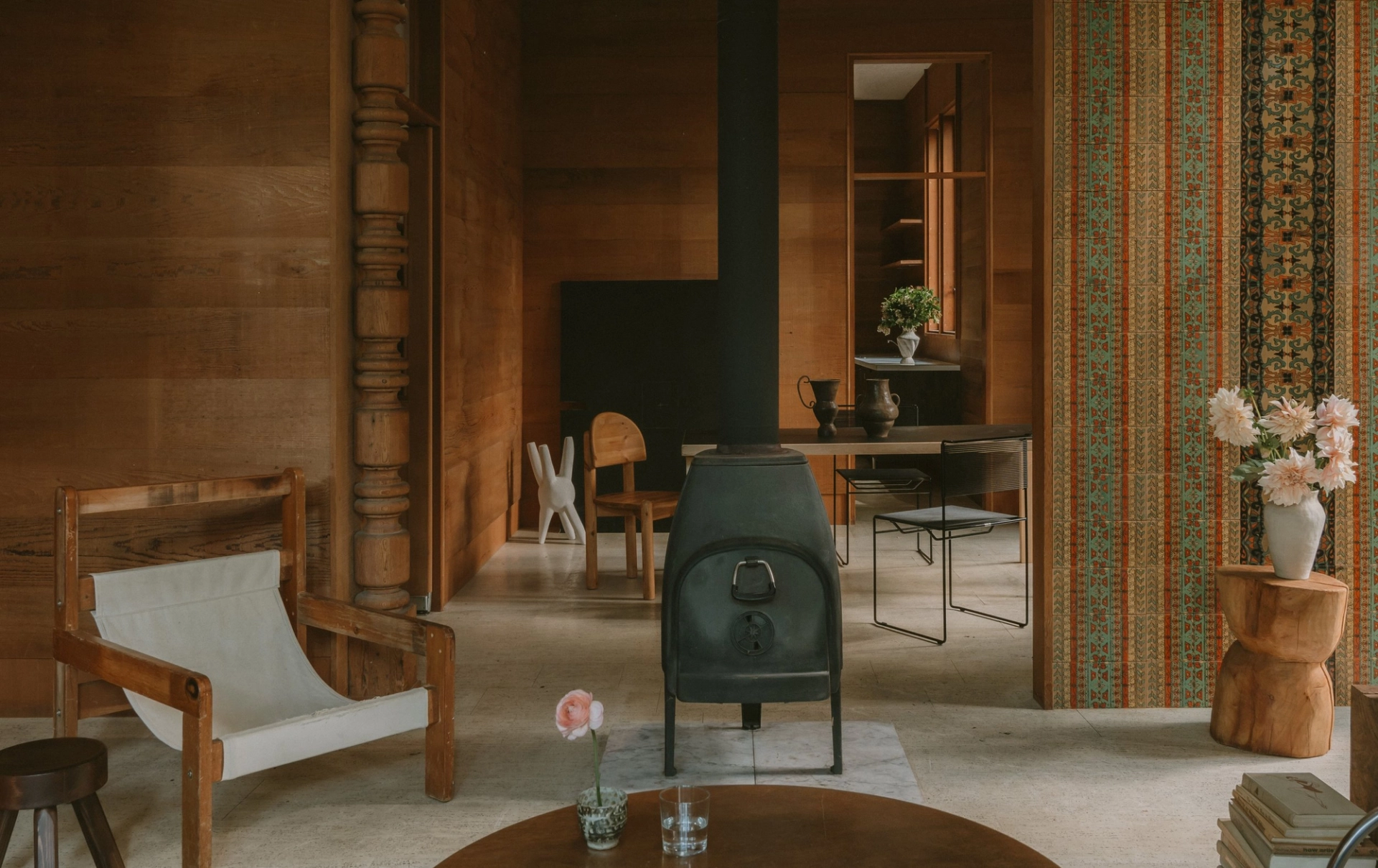
We sat down with Karie Higgins, a Portland-based interior stylist behind Karie Higgins Studio and one third of Assemble Collective. With roots in New Zealand and time spent living in New York, Karie’s work reflects a considered approach to home, balancing modern clarity with timeless design. In this VS Sessions conversation, we talk about place, process, and what it means to create spaces that feel both elevated and lived in.
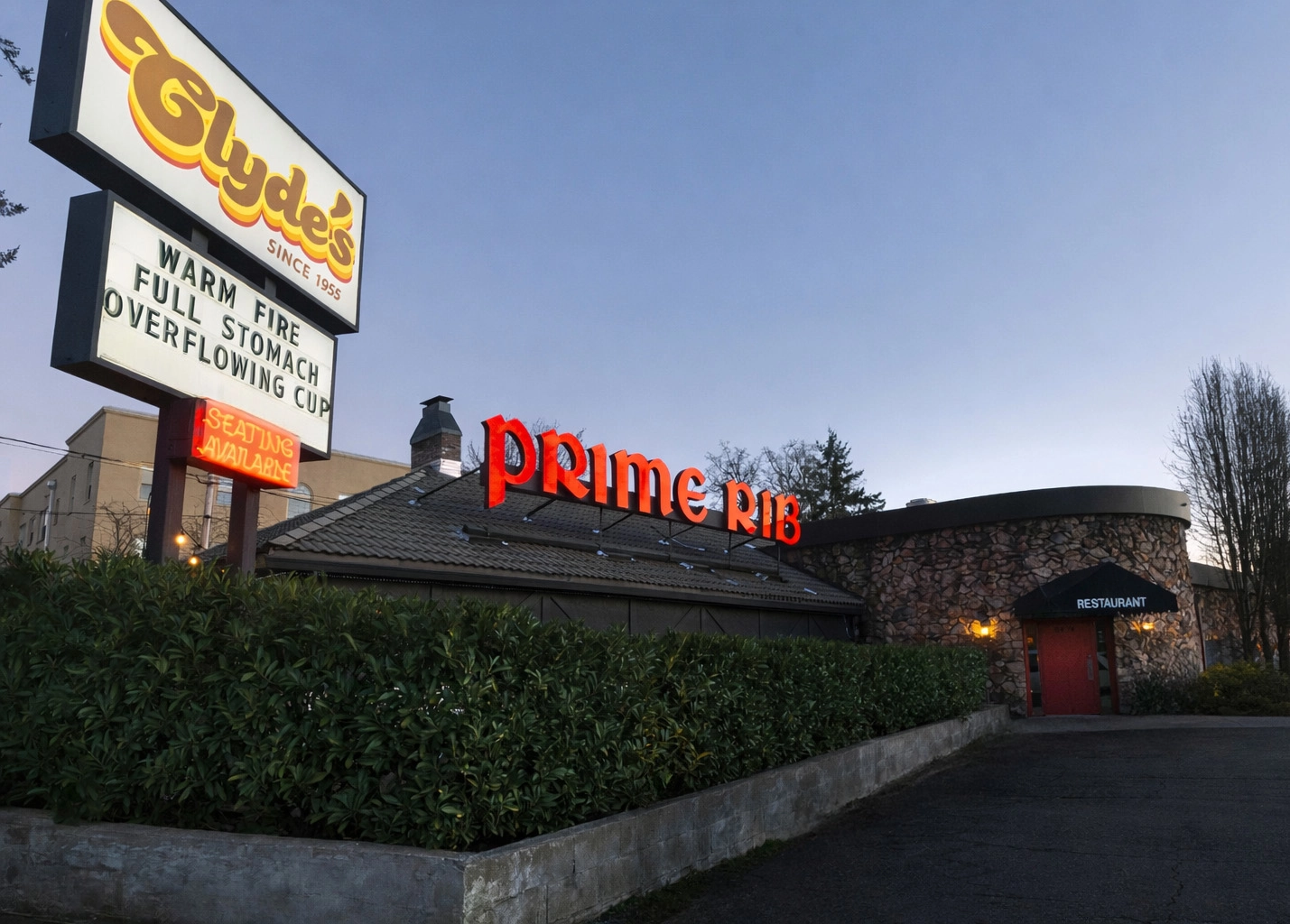
Photo: Paul Wagtouicz
Perched atop Alameda Ridge, Clyde’s Prime Rib is more than a Portland landmark—it’s a story of transformation. From its dark beginnings as a racist chain, it became a beacon under Eddie Mays and later Ernest Clyde Jenkins II, who turned it into a thriving, integrated hub for community, live music, and classic prime rib. With its castle-like exterior, vintage steakhouse charm, and decades of jazz, Clyde’s remains a beloved local destination where history, flavor, and culture converge.
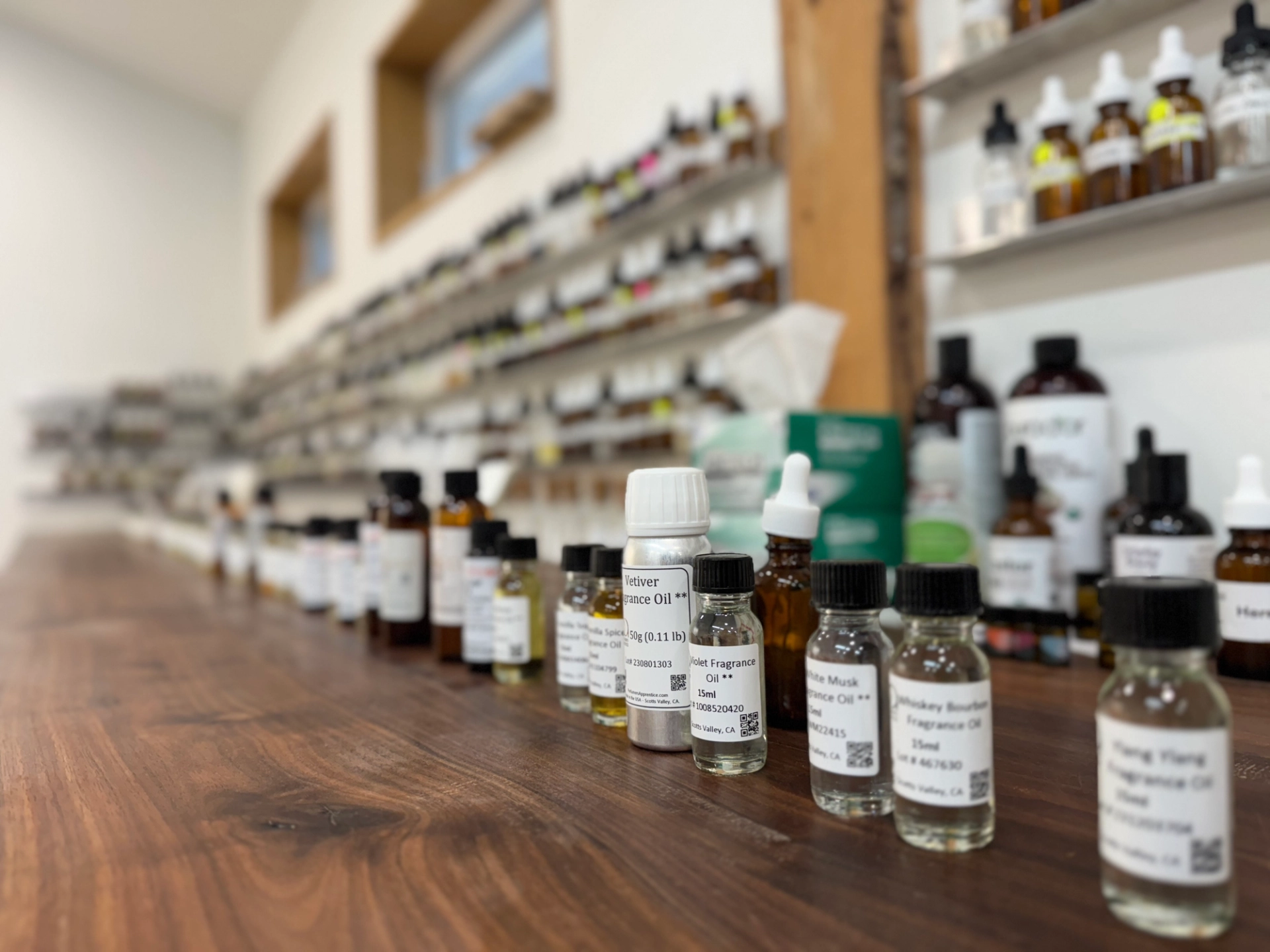
Our team headed to Hood River for a guided sensory perfume workshop with artist John Schlue, starting the day with fresh pastries and croissants from Crema Portland, exploring the craft of fragrance and how scent can shape experience, resulting in something uniquely ours.