

Photo: Paul Wagtouicz
Clydes: The Story Behind Sandy Boulevard’s Iconic Castle
Words: Caitlin Pangares
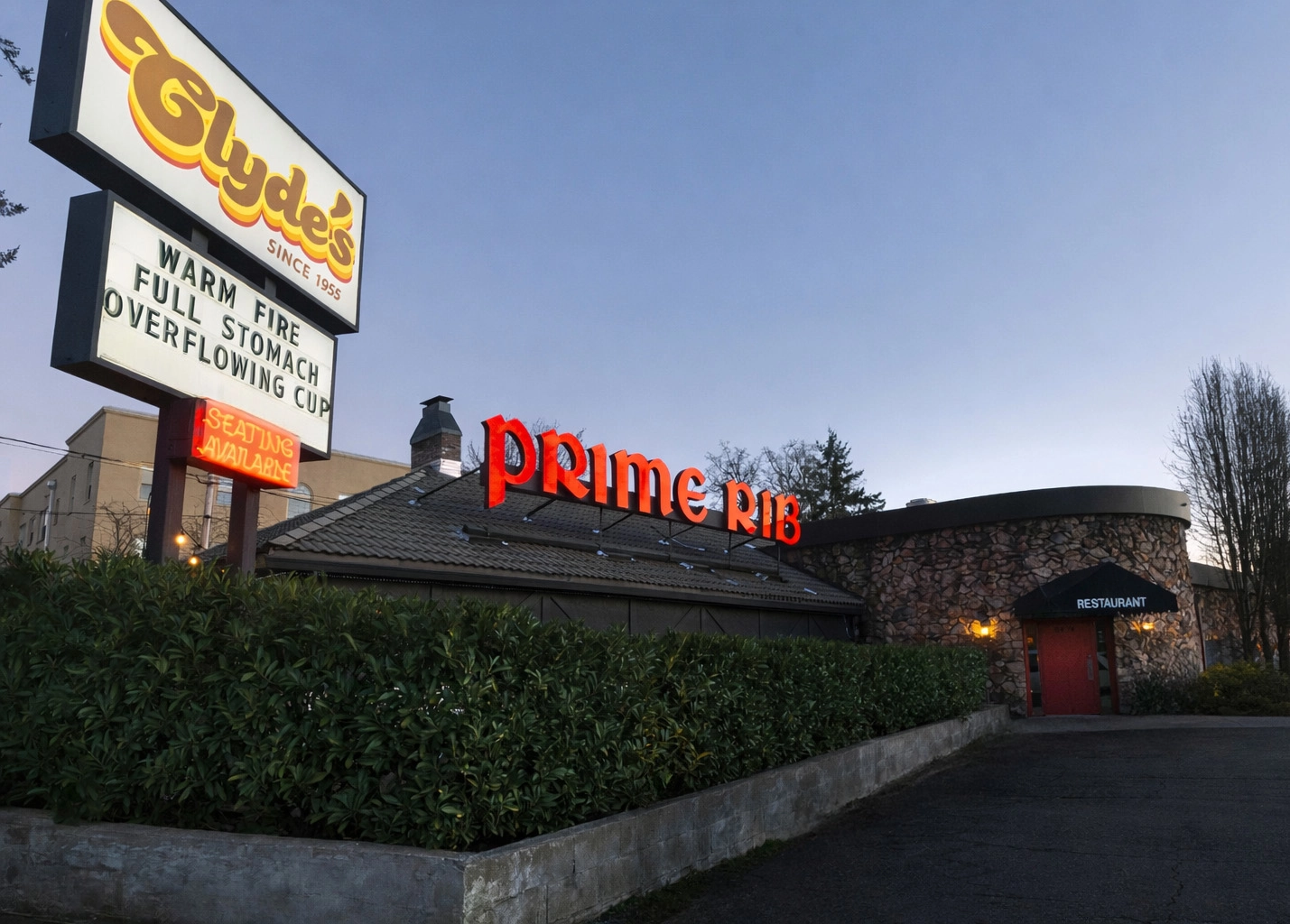
Perched atop Alameda Ridge, Clyde’s Prime Rib is more than a Portland landmark—it’s a story of transformation. From its dark beginnings as a racist chain, it became a beacon under Eddie Mays and later Ernest Clyde Jenkins II, who turned it into a thriving, integrated hub for community, live music, and classic prime rib. With its castle-like exterior, vintage steakhouse charm, and decades of jazz, Clyde’s remains a beloved local destination where history, flavor, and culture converge.

Photos: David Stuckey, Clyde's, The Vendry
As one of Portland’s oldest restaurants, Clyde’s has lived many lives with many owners. Long-time Portlanders will remember hearing whispers about the building’s troubling past (to say the least) but few seem to know the path that it took to become what it is today — a hub for community, live music and, of course, prime rib.
Founded in 1954 by restaurateur Eddie Mays, it was originally, aptly, named Prime Rib. Prior to Mays’ tenure, the lot was home to a shamefully racist west coast restaurant chain called Coon Chicken Inn. Right after he took over, Mays bricked up the chain’s racist entrance mural and replaced it with the iconic castle-like exterior that exists to this day — a physical representation to nearby residents that hate has no place here.
Prime Rib operated for over 50 years before Mays sold it to Ernest Clyde Jenkins II in 2006. Despite the fact that he ran things for much less time, Jenkins is the most notable of the restaurant’s owners. After all, it was he who changed the name to what you see today when driving past their large, 70’s-style sign — Clyde’s. This rebrand ushered in a new era for the restaurant.
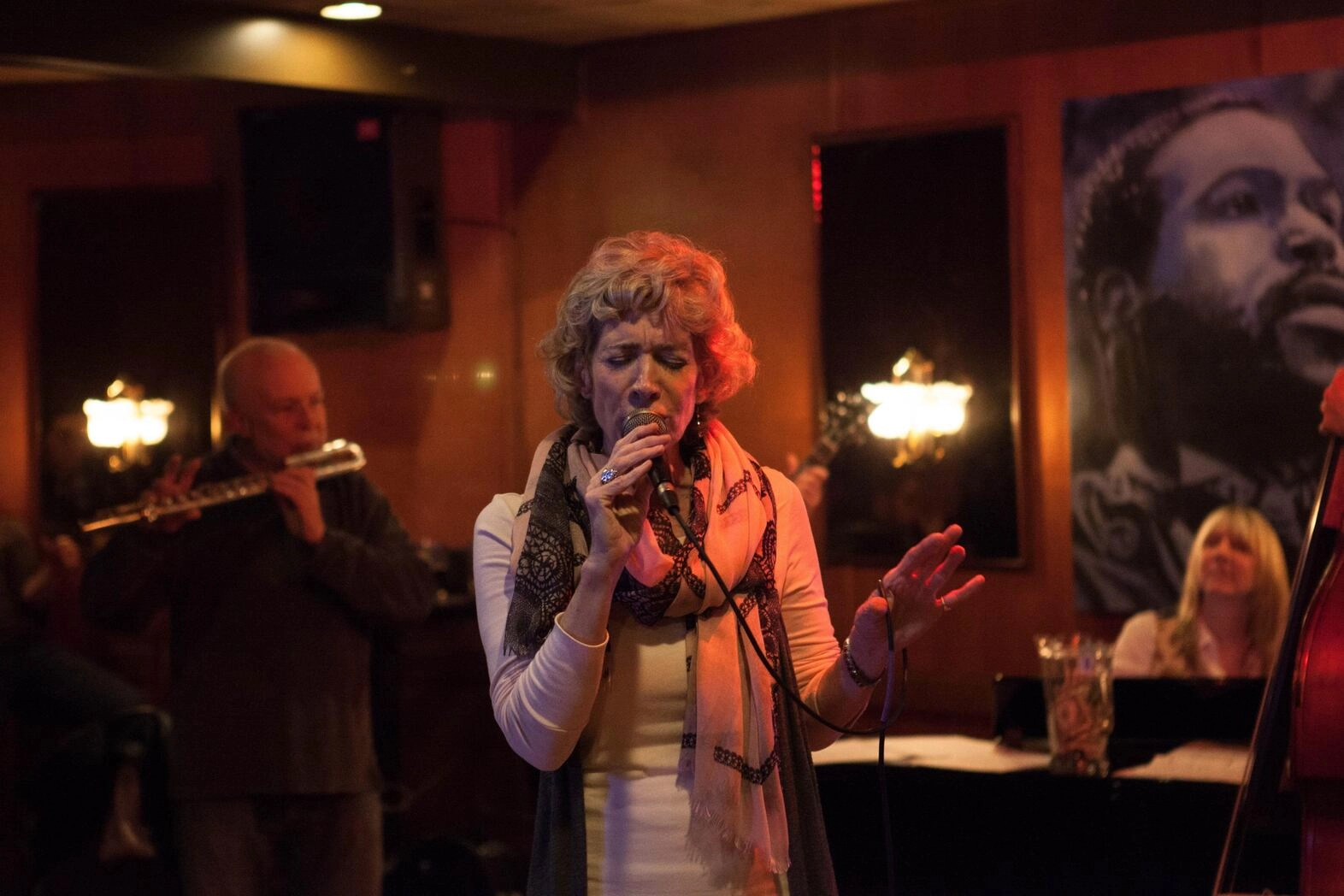
Under Jenkins leadership, Clyde’s flourished. It quickly became one of the most prominent black-owned restaurants in Portland — a heartening triumph in the wake of its original, awful owners. One big change crucial to Jenkins was bringing live music into the space. This alone breathed new life into Clyde’s. Or, as Willamette Week put it, “rescued (it) from its moldering afterlife as a poor man’s RingSide.”
Jenkins saw the potential for Clyde’s to be more than just a place to dine. In an interview with the Jazz Society of Oregon, he noted “I’ve brought in music, mostly rock and blues, Thursday through Saturday. People enjoy not just listening but also getting out onto the dance floor.”
He often scouted acts at other venues around town (like Produce Row’s jam on Mondays) and recruited Portland-based musicians like Randy Porter, Tom Grant, Greg Goebel, George Mitchell, Tony Pacini, Phil Baker and Dave Captein to play. But his big get was his long-time friend, jazz musician Ron Steen. Steen and Jenkins collaborated on a Sunday jazz residency that lasted for years, later becoming a special part of many Portlander’s routines. The two men saw this as an open invite to everyone, whether you enjoyed jazz or not. People of all ages would gather, share a meal and listen to Steen and his “jazz jam” as a ritual to end their weekend.
The success of Sunday jazz nights, especially in the context of the building’s prior tenants, was not lost on Steen. “It’s one of the most racist emblems of Portland history,” he said, in an interview with The Hollywood Star News. “Then, Clyde Jenkins bought it and turned it into one of the most integrated clubs in Portland.”

Photo: Paul Wagtouicz
Vetiver Street’s Creative Director Jeff Pidgeon pulled up next to Clyde’s iconic fireplace for one of their signature Old Fashioneds—Bulleit Rye poured over a muddled bitters-soaked sugar cube, finished with orange and cherry.
The vibe cultivated at Clyde’s is all credit to Jenkins. “It’s one of those places that, if you were to design it, this is what it would look like,” Jenkins said. “It wasn’t designed for this, as a jazz club. It sort of came out like this by accident!”
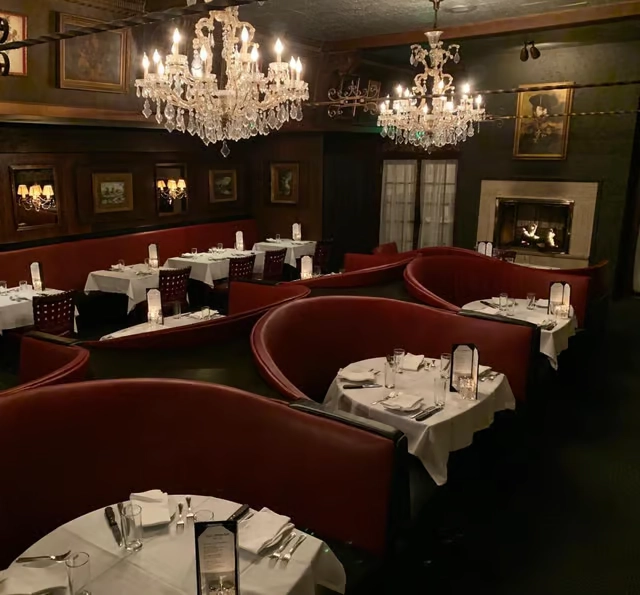
Jenkins intentionally kept the decor as it was in decades prior — deep red velvet booths, a cozy fireplace, chandeliers hung from open-beam ceilings, ornately framed oil paintings dotting the walls, moody low lighting and the now infamous suit of armor that “guards” the entrance. All the trappings and glamour of its east coast steakhouse counterparts, like Keen’s in NYC. The menu fits the bill too, with vintage flourishes like prime rib carved table side on a dropclothed cart or creamed spinach crafted from the original 1955 recipe. There are very few spots in Portland that feel distinctly old-world and Clyde’s is one of them.
After Jenkins retired in 2015, Alex Bond of Serratto and Saint Cupcake took over, promising to maintain the menu items, music and community feel that its regulars were fond of. Bond’s impact is seen mostly in slight tweaks of the menu — modernizing a few plates but honoring his word about leaving the classics alone. Alongside its more distinguished dishes, Clyde’s now offers casual/late night fare like beer-battered fish and chips, fried chicken or poutine-style gravy fries.
Through it all, perhaps most impressively, Clyde’s has remained a local’s spot. Repeat customers fill its parking lot every weekend — visiting for a sense of nostalgia, familiar steakhouse fare and, of course, jazz.

Photo: Reed Ricker
More in the spotlight
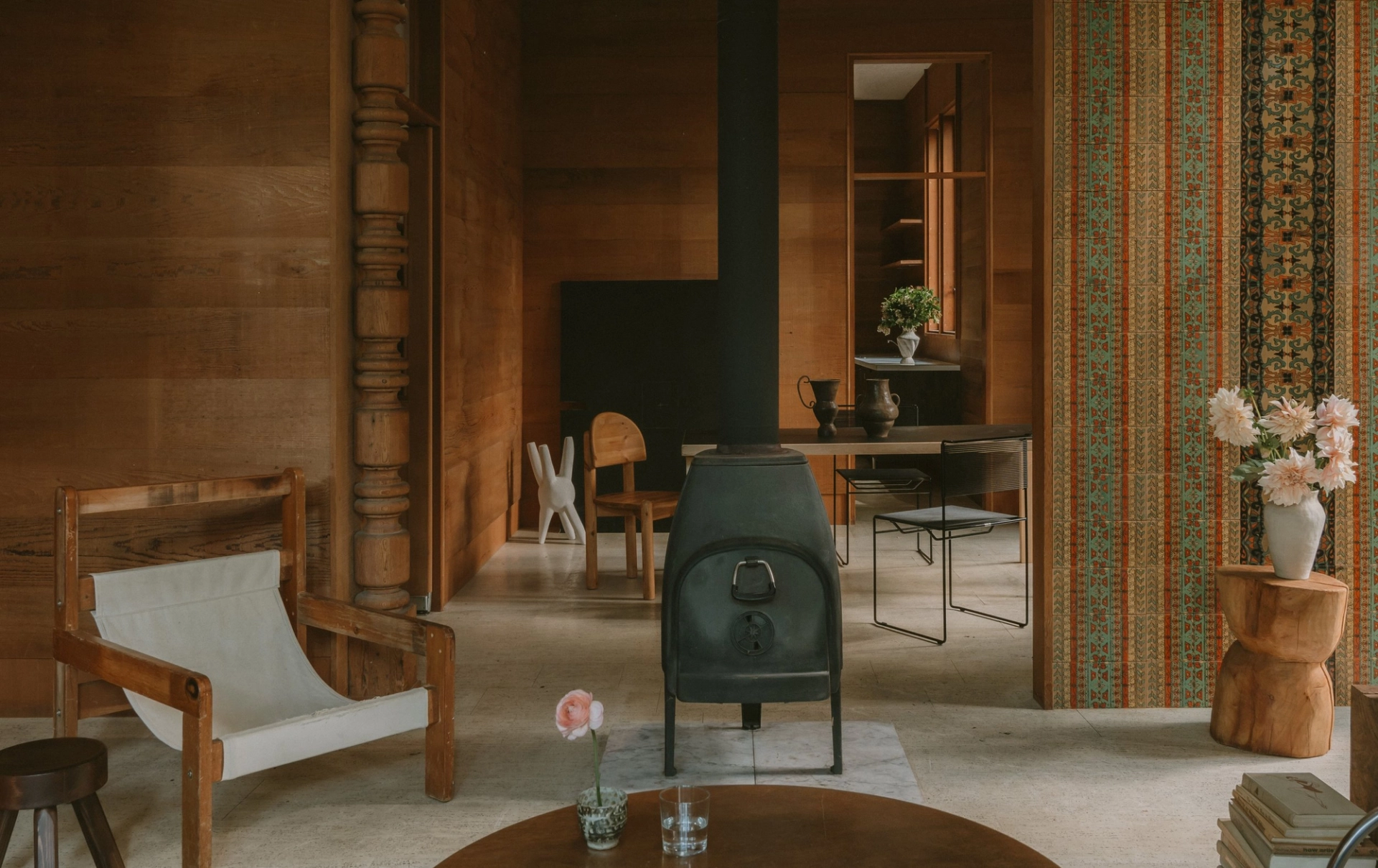
We sat down with Karie Higgins, a Portland-based interior stylist behind Karie Higgins Studio and one third of Assemble Collective. With roots in New Zealand and time spent living in New York, Karie’s work reflects a considered approach to home, balancing modern clarity with timeless design. In this VS Sessions conversation, we talk about place, process, and what it means to create spaces that feel both elevated and lived in.
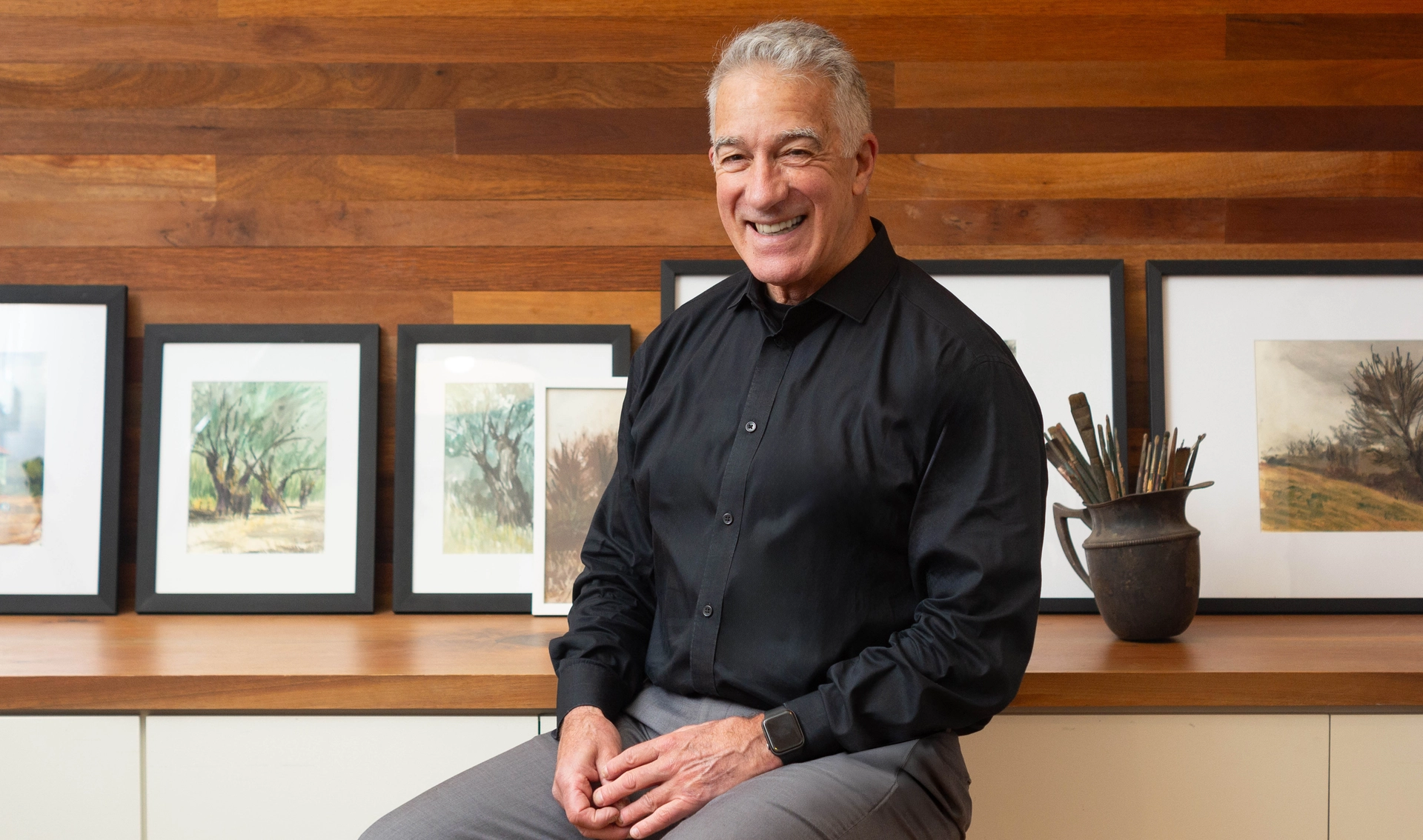
Rick Potestio is a Portland-born architect whose award-winning work through Potestio Studio fuses modern materials with timeless principles of harmony and proportion to create distinctive residential and institutional spaces throughout the Pacific Northwest.

Our team headed to Hood River for a guided sensory perfume workshop with artist John Schlue, starting the day with fresh pastries and croissants from Crema Portland, exploring the craft of fragrance and how scent can shape experience, resulting in something uniquely ours.