

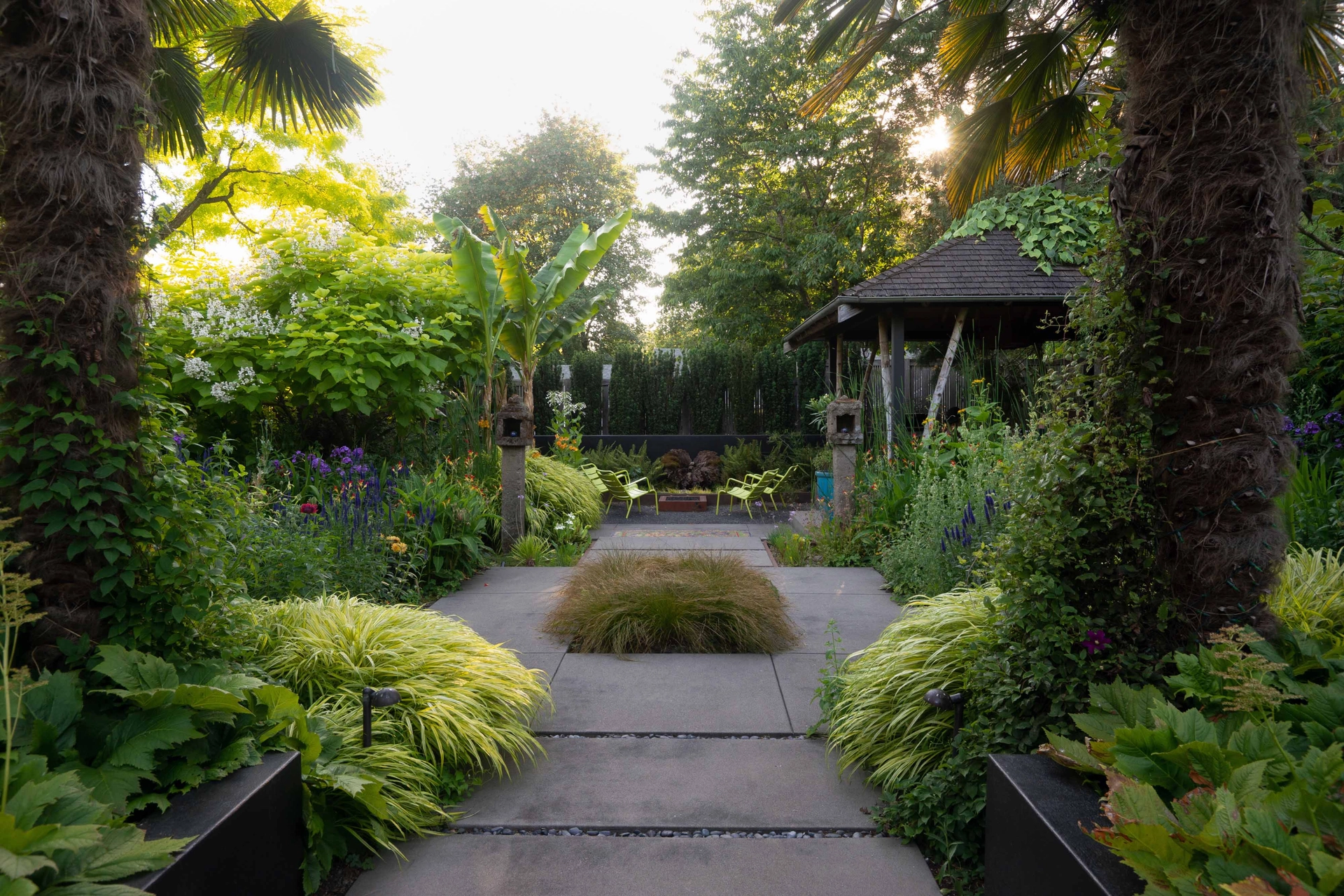
Designing landscapes for living
Garden of Vetiver Street’s Craig Weintz | Photography: Paul Wagtouicz
Before Laura Crockett thinks about gardens, she thinks about people. Long before she designed landscapes for clients, she was reshaping the outdoor spaces of her childhood home, where her parents encouraged her curiosity and gave her the freedom to reimagine the gardens around them, planting the seeds for what would become a lifelong fascination with how people connect to nature. That curiosity led her to study horticulture, architecture, construction, and sculpture, each discipline informing the way she approaches landscape design today.
More than thirty years later, she still begins each project the same way, taking time to understand the people who will inhabit the space.


Origin
Q: Your landscapes feel deeply personal, almost like portraits. How did you first find your way into landscape design?
A: Thank you—I appreciate that you see how personal these spaces can become. A truly memorable garden is highly creative, deeply connected to the people who live there, and carefully crafted over time. Garden environments represent a significant investment, so I believe they should reflect each client's personality while bringing them joy every day.
As a child, my parents encouraged my love of nature by giving me the freedom to reshape our home gardens and learn about plants. That curiosity led me to study horticulture and to better understand the kinds of outdoor spaces people instinctively need in order to feel connected with nature.
In sync with this education I studied architecture, construction techniques as well as mixed media and sculpture. These studies have all fed my signature style in garden design.
Landscape design has now been my passion for more than thirty years. I love creating places where plants and people thrive together—spaces that invite us to slow down, breathe, and simply be present with nature.
Intuition
Q: When you begin a new project, how do your client's personality, daily habits, and lifestyle shape the way you imagine a garden taking form?
A: Every project begins with observation. I spend time inside and outside my clients' homes, with curiosity to learn about their style, their interests, and daily routines. Through conversations, I listen carefully to their goals, dreams, and discuss resources. These important early conversations and observations are then “overlaid” onto their physical landscape creating a cohesive design.
In many ways, my clients become the inspiration—the muse—for the personality of each garden.
One of the biggest challenges for a passionate designer is resisting the urge to overdesign. It's easy to create something spectacular on paper, but if it doesn't fit the client's lifestyle or the time and resources they can devote to it, it won't succeed. My responsibility is to design beautiful spaces that people can genuinely enjoy and sustain.
Process
Q: Can you walk us through your process from first conversation to finished landscape? Where do the biggest creative decisions tend to happen, and how do you help clients trust the process?
A: Every project is a journey, and many of mine are long-term, highly customized collaborations.Throughout the process I stay closely connected with my clients, while also serving as their advocate with contractors to ensure their best interests are always protected.
One of my favorite milestones is presenting the colored concept drawings. When clients first see their future garden come to life on paper, it often feels like the beginning of something truly exciting. That's when trust really begins to grow.
Another important stage comes after demolition, when I physically lay out the proposed garden spaces. Walking clients through the design in real scale helps them visualize how everything will work together. Then I encourage them to live with those ideas for a short time. That pause often leads to thoughtful refinements that make the final design even stronger. I call this the 'tailoring stage,' because it's where teamwork truly makes the dream work.
Designing for Oregon
Q: How does working in Oregon's specific climate and soils guide your approach to plant selection and landscape design in Portland and beyond?
A: Oregon's climate is wonderfully unique, and it continues to evolve. Understanding existing site conditions—and especially the soil—is one of the most important parts of every project. Healthy soil creates healthy roots, which create healthy, resilient plants. Soil improvement is never an area where I believe corners should be cut.
The nursery industry is constantly introducing 'new and improved' plants, but newer doesn't
always mean better. I spend a great deal of time researching new varieties so I can confidently recommend the best performers while still leaving room to experiment with exciting possibilities.
The Long View
Q: Outdoor spaces are constantly changing. How do you design for time passing, for growth, for seasons, and the way a landscape settles and matures?
A: I often include what I call 'investment plants' in my designs. These are young trees and shrubs selected with the expectation that they'll become defining features of the landscape over time.
Gardens are living things—they're never static. As plants mature, shade changes, and seasons pass, the garden evolves. In many ways, people do too. I believe we become better versions of ourselves when we spend time in nature. Like raising a child or caring for a beloved pet, a garden asks for commitment, patience, and occasional adjustments. That ongoing relationship is part of what makes it so rewarding.
Meaning
Q: What do you hope people feel when they step into an outdoor space you've designed for the first time, and then again years later?
A: I hope people immediately sense that they've entered a place unlike any they've experienced before—a space that encourages them to slow down, notice the details, and reconnect with themselves and nature.
More than anything, my gardens are personal. They aren't simply extensions of a home's architecture; they're reflections of the remarkable people who live there and the unique ways they enjoy the outdoors and each other. After all, Gardens are for People!
If I've done my job well, every garden becomes its owner's own little slice of heaven here on earth.
Q: And to finish this VS Session the way we always do—what’s your go-to karaoke song?
A: For a bouncy crowd pleaser: Heatwave by Linda Ronstadt. For when I want to sing my truth: Unwritten by Natasha Bedingfield. For slow and schmaltzy: When You Wish Upon a Star.
Laura’s Nursery Picks:
Portland Nursery: Consistently reliable for home gardeners, with a wide selection of healthy, well-curated plants. Located at 5050 SE Stark St, Portland, OR 97215 and 9000 SE Division St, Portland, OR 97266.
Cornell Farm Nursery & Cafe: A destination nursery in the West Hills featuring exceptional plants, garden tools, and art, along with a café for lingering inspiration. Located at 8212 SW Barnes Rd, Portland, OR 97225.
Xera Plants: A small but mighty specialty nursery known for unusual, drought-tolerant plants and deep horticultural expertise. Located at 11220 SW Tonquin Rd, Sherwood, OR 97140.
Laura Contact Info:
gardendiva.com
Cell: 503-381-0261
Email: laura@gardendiva.com
More in the spotlight
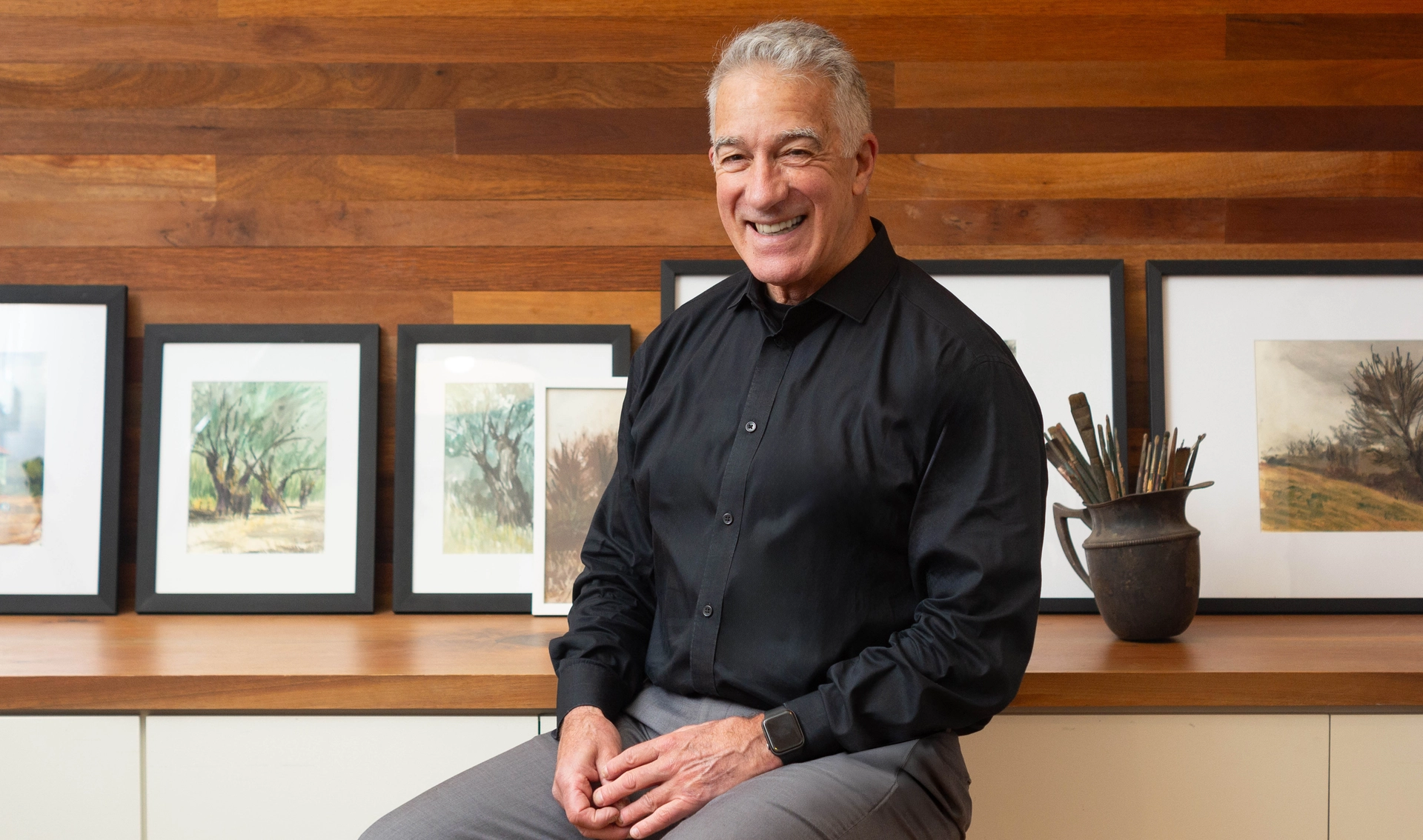
Rick Potestio is a Portland-born architect whose award-winning work through Potestio Studio fuses modern materials with timeless principles of harmony and proportion to create distinctive residential and institutional spaces throughout the Pacific Northwest.
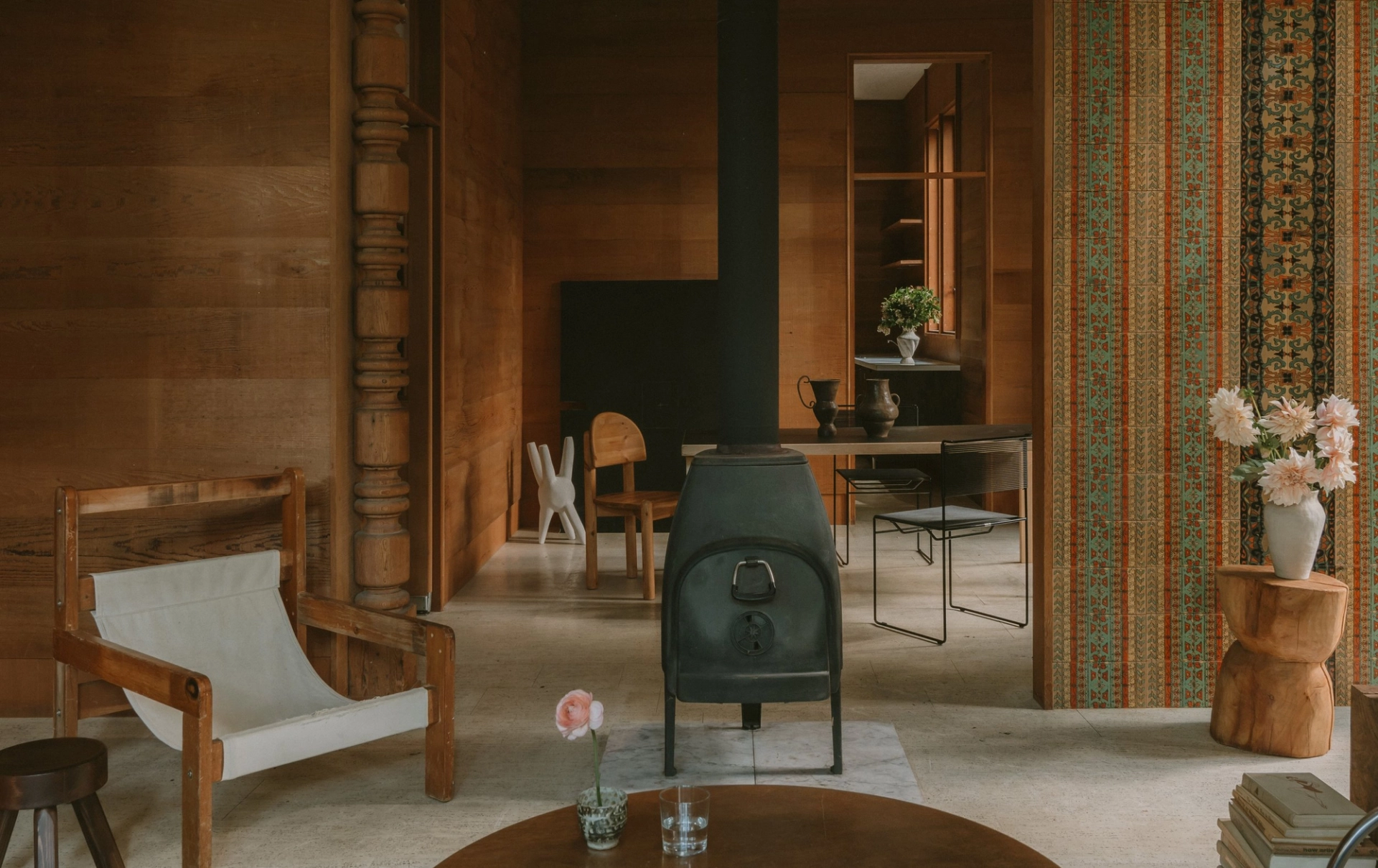
We sat down with Karie Higgins, a Portland-based interior stylist behind Karie Higgins Studio and one third of Assemble Collective. With roots in New Zealand and time spent living in New York, Karie’s work reflects a considered approach to home, balancing modern clarity with timeless design. In this VS Sessions conversation, we talk about place, process, and what it means to create spaces that feel both elevated and lived in.
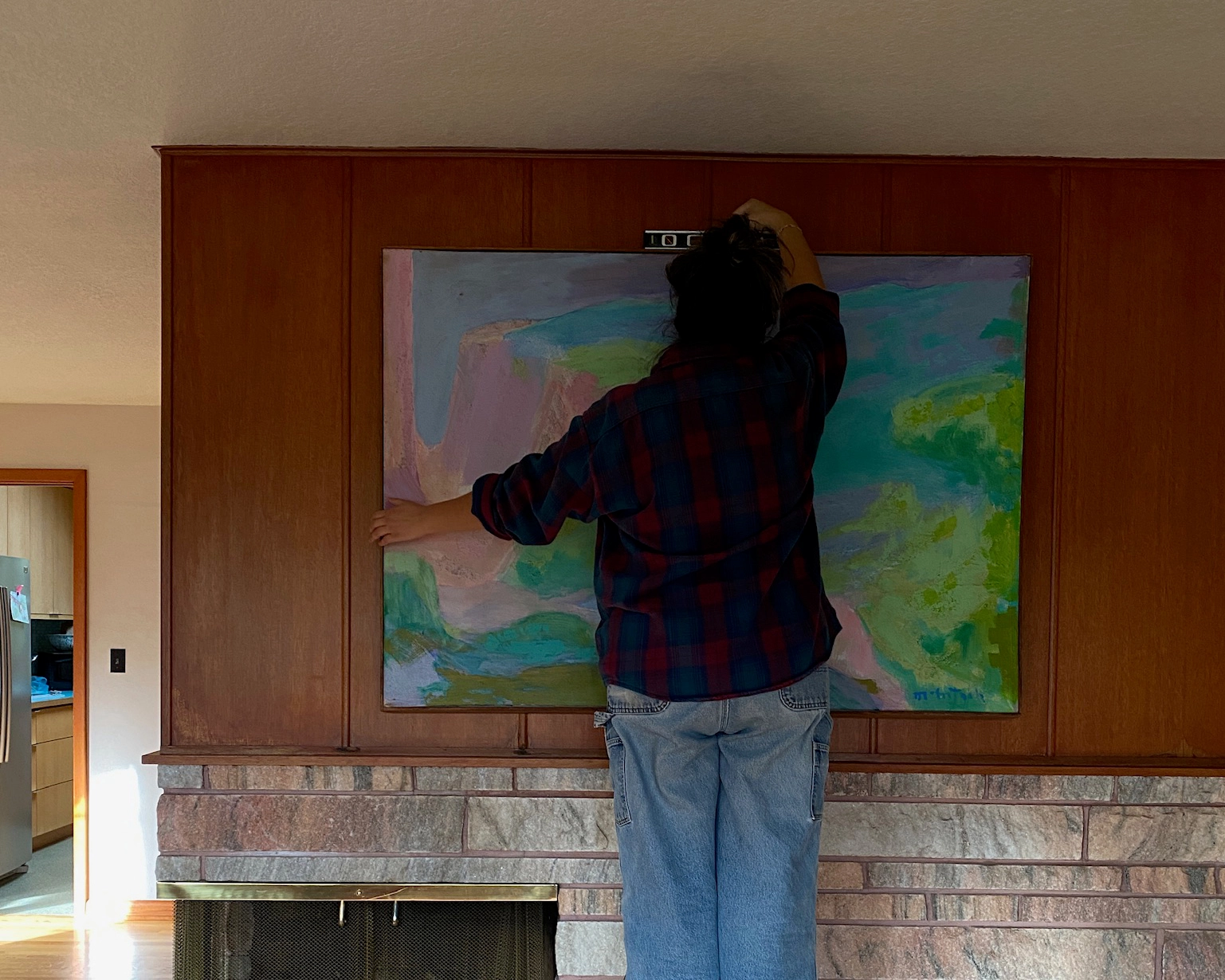
We sat down with Kara and Ericka of Done for the Day, a Portland-based vintage art business built around the belief that our lives are impacted by the things we live with. In this VS Sessions conversation, we talk about collecting slowly, honoring what already exists, and creating spaces that feel layered, personal, and alive.