

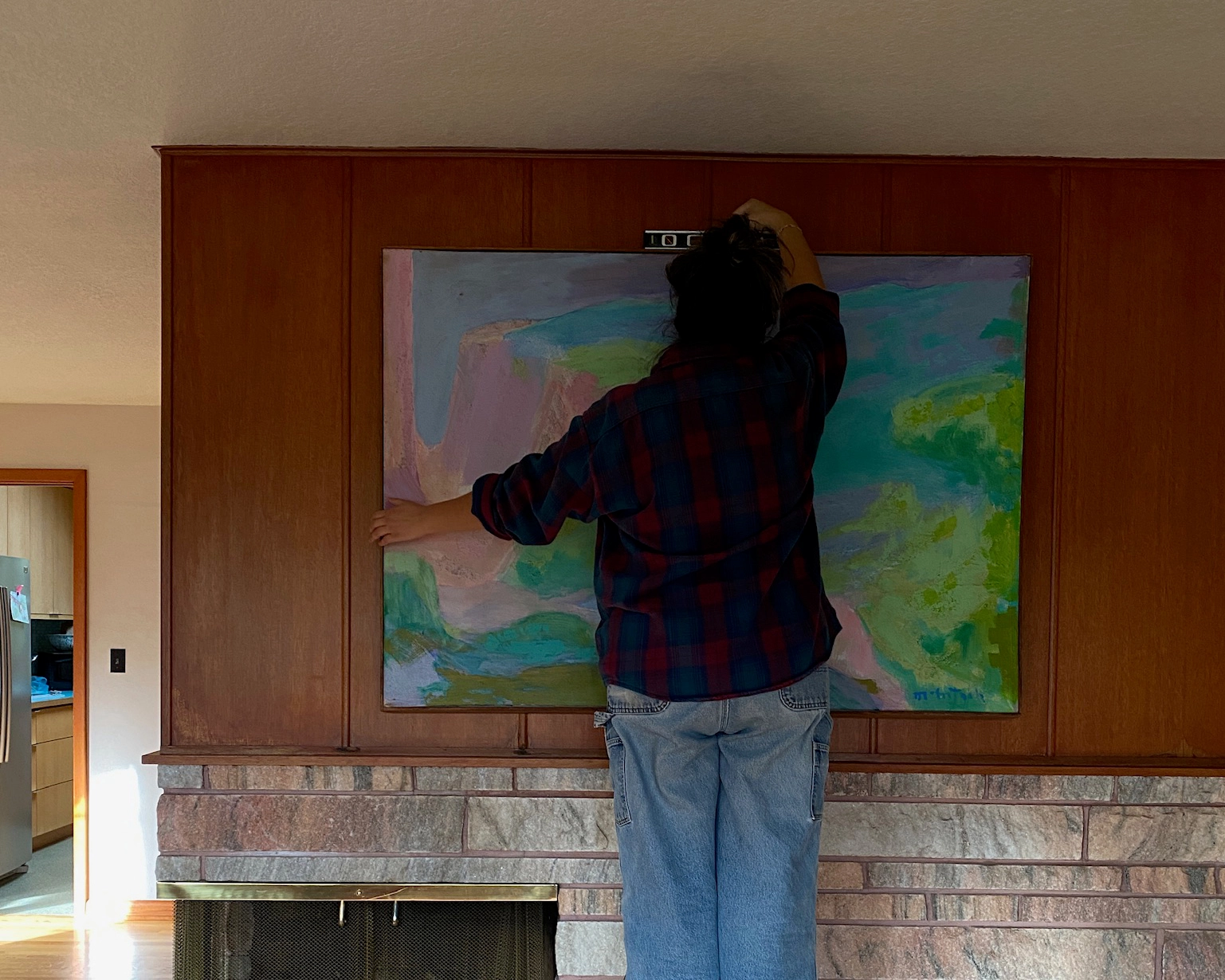
Letting the right art piece find you
We sat down with Kara and Ericka of Done for the Day, a Portland-based vintage art business built around the belief that our lives are impacted by the things we live with. In this VS Sessions conversation, we talk about collecting slowly, honoring what already exists, and creating spaces that feel layered, personal, and alive.
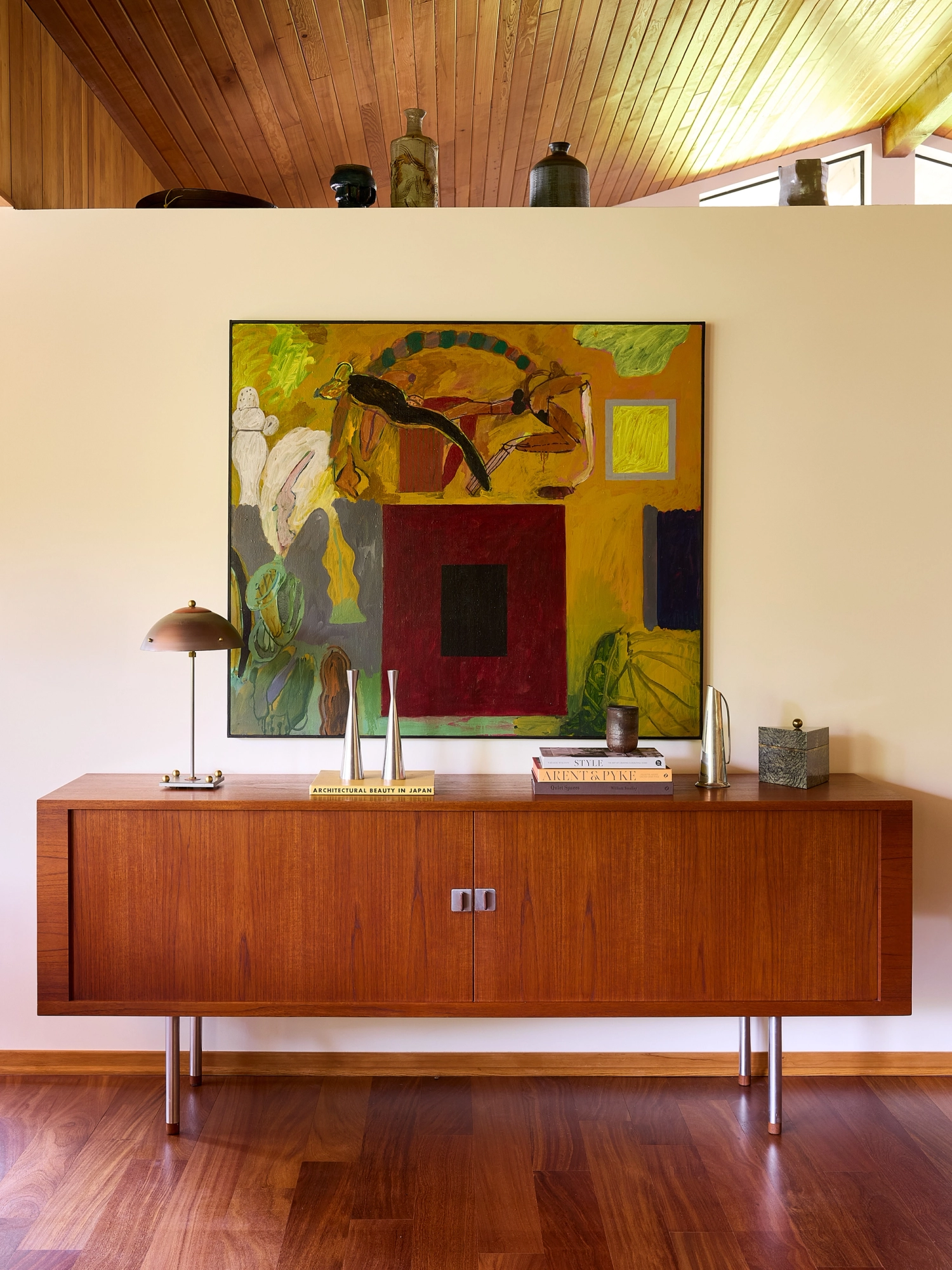
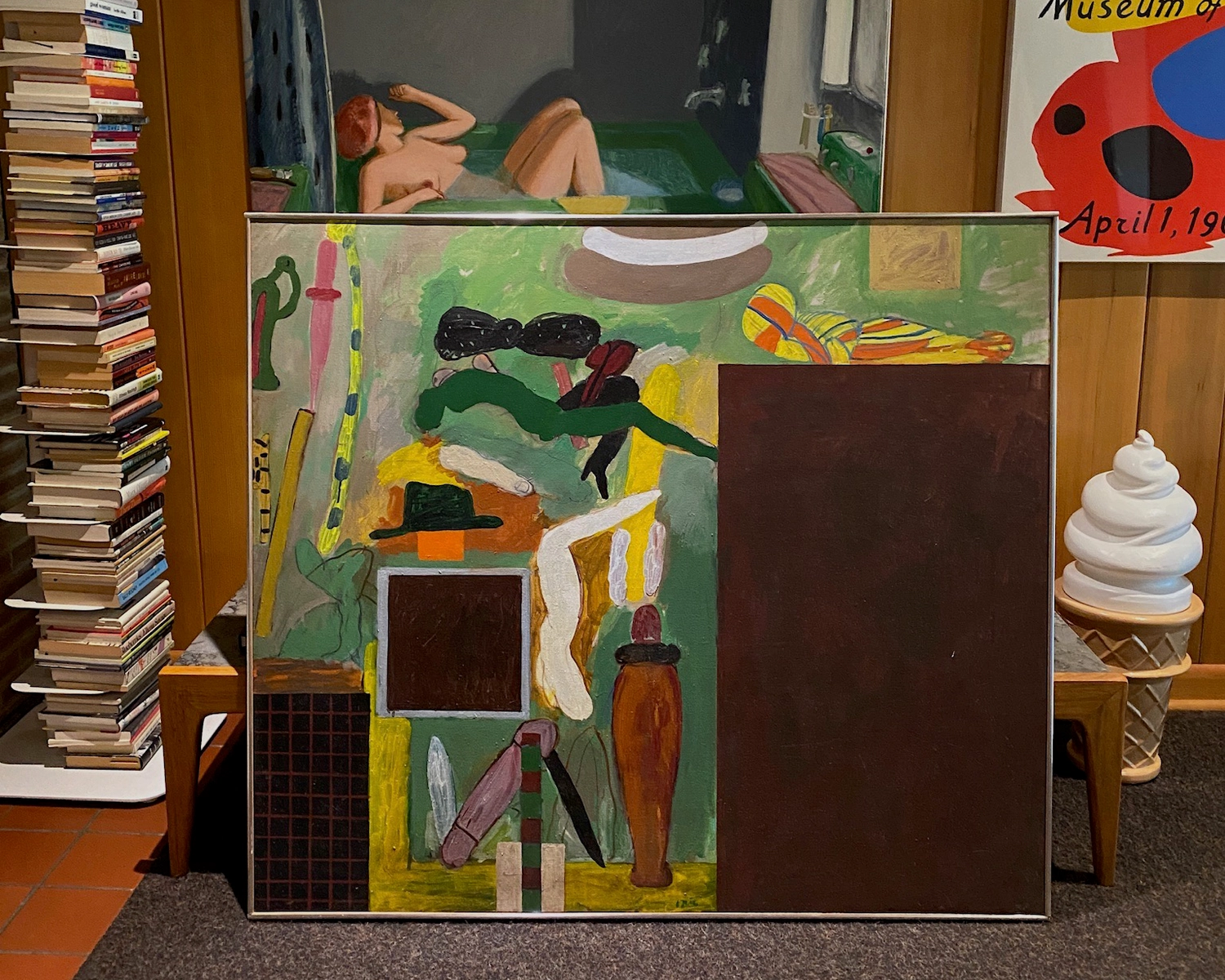
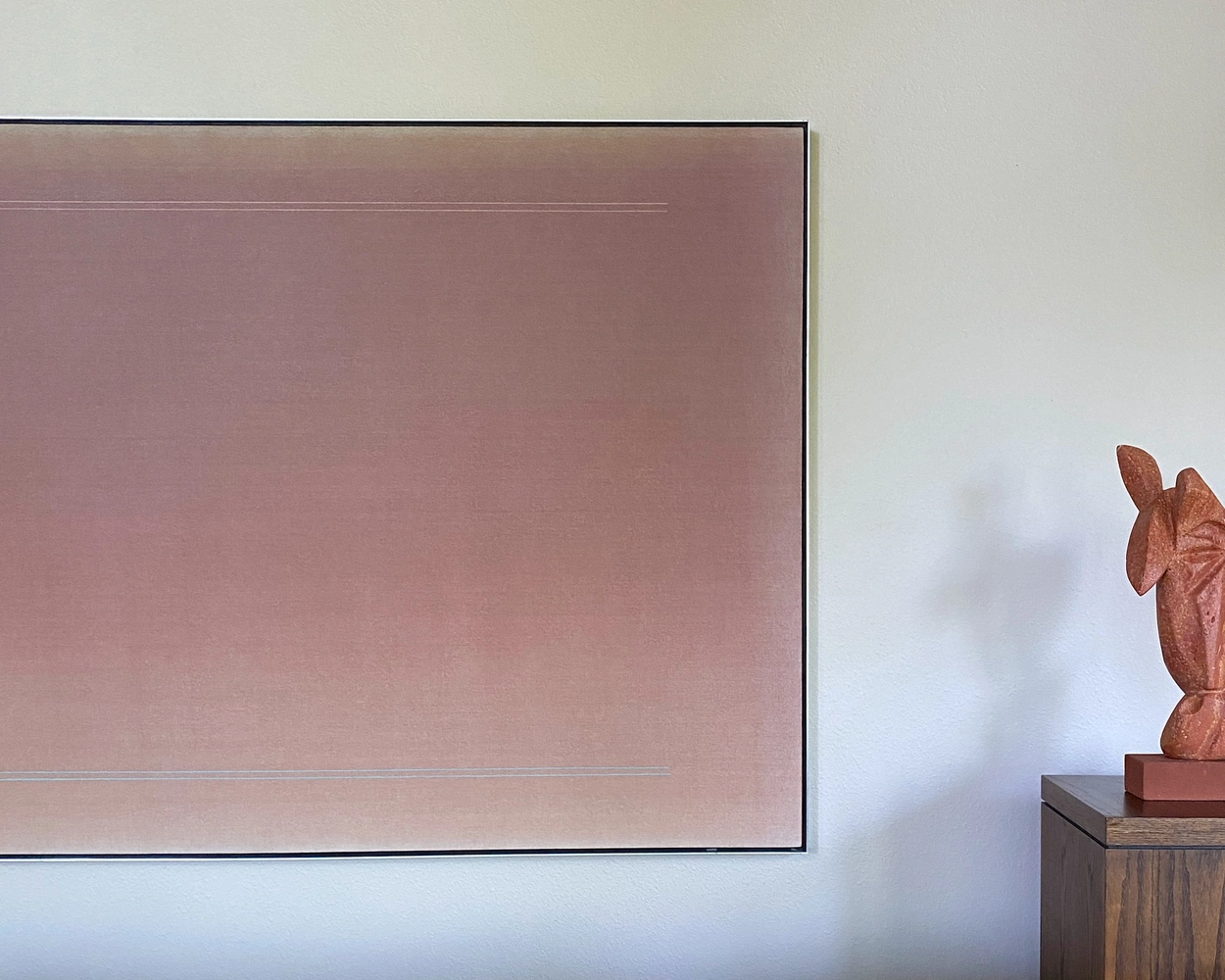
Design by Kollective, Styling by Karie Higgins
Q: For those who may not know Done for the Day, can you tell us a bit about what you do and who you do it for?
A: We sell 20th century modern art, primarily online. As collectors ourselves, we are picky in our curation and don’t buy anything we wouldn’t hang in our own house. Most of our customers are usually in the beginning stages of collecting art in a thoughtful way. They’re looking for pieces to invest in and plan on keeping indefinitely.
Q: How did Done for the Day come about, and what drew you both to working with vintage art?
A: We started Done for the Day in 2022 after quitting our corporate careers amidst extreme burnout. At first we focused on vintage furniture, objects, and rare midcentury collectibles. Gradually we became drawn to pick up more pieces of original art, and also, at this point Kara had grown weary of furniture after a seventeen year career in selling it.
We saw a need for a more accessible source of this type of art, especially in Portland. Buyers have a lot of choices in Portland when it comes to vintage housewares but not as many when it comes to vintage original art.
To speak more to what drew us to this work: besides having a special interest in what we sell, we felt it essential to do work that felt quite simple and straightforward after almost two decades of complex corporate roles in the design field. Art is important and we want more people to experience what it gives. This business is also just fueled by our love for each other and wanting to see each other happy.
Q: What do you look for when sourcing something that feels truly special?
A: Above all, the piece has to have an immediate impact on us. We don’t usually waver or spend a long time debating whether to buy something.
Pieces that feel really special to us generally end up being by American artists, many from the Northwest, with works between the 1940s and 1970s. The pieces we select are usually abstract with a lot of color, graphic/illustrative quality, and the artist showed a lot of skill in their technique.
We’re drawn to any unexpected combination or intersection of elements, mediums, and messages. For example, we have some paintings right now from an unknown artist that are the same size and subject matter as Chinese and Japanese lyrical paintings but instead of monochromatic inks and fine brushstrokes of realistic landscape imagery, they feature brightly colored crowded abstracted landscapes with thick brushstrokes. We delight in this sort of element of surprise.
Q: What do you think vintage pieces bring to a home that new objects often can’t?
A: Whether we’re selling furniture or art, the motivation has been the same from the start: to show the beauty and soul of old things. A new mass produced piece of art doesn’t inspire awe, hold history, or spark curiosity. A piece of original art literally has a different energetic charge.
And, nobody else will ever have the piece that you have. Vintage pieces have their own kind of aesthetic interest even based solely on their limited nature alone. A collection of pieces like this in one home creates a unique layered effect that can’t be replicated.
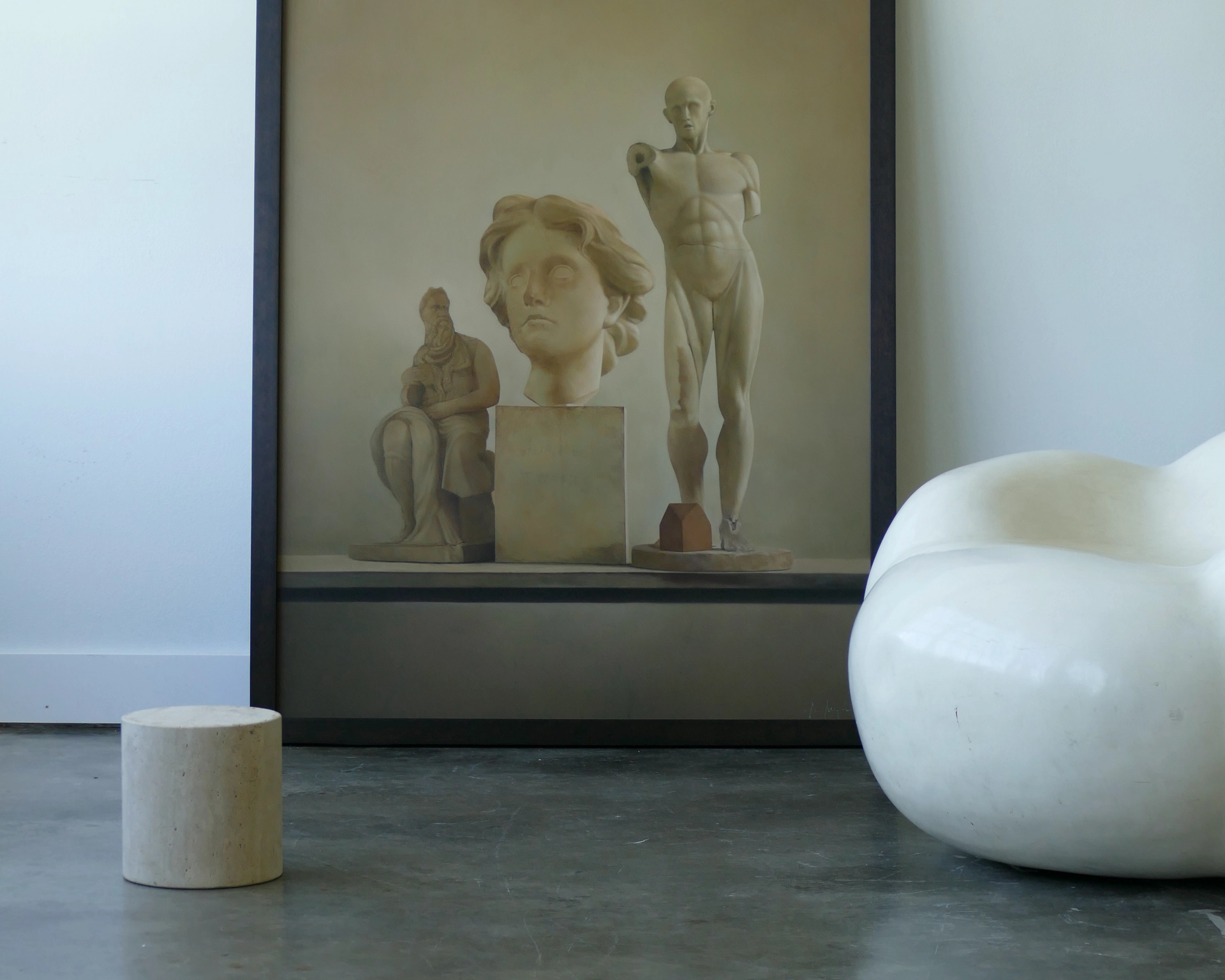
Q: If someone is just beginning to collect for their home, what advice would you give about building a collection slowly and thoughtfully over time?
A: First of all, look at a lot of things. It sounds too simple to be true but it’s the most impactful thing you can do to learn what you like. The result of that is that you won’t impulsively fill a blank wall because it won’t feel right. We think it’s so important to get comfortable with empty walls until the right piece finds you.
Try not to get sucked into what the current trends are or what your algorithm tells you is cool. The development of taste is a mindful acknowledgement of the feeling inside of yourself when you see a piece.
Let yourself evolve from pieces that have been in your home for a while that no longer move you in order to make space for pieces that do. Our personal collection is always shifting and changing.
Q: When you’re not out collecting treasures, what are some of your favorite Portland spots to spend time?
A: Our favorite place in Portland is our home. :) When we’re not at home playing video games or watching reality TV, a fun afternoon for us is going to Goodies Snack Shop in Old Town or seeing a movie at Living Room Theater almost solely so we can get the housemade ginger beer. We also think the chocolate chip cookies at Courier Coffee are the best we’ve ever had, and if we’re there we drop in to Storied Objects next door too; Alex curates the finest objects by contemporary artisans.
Q: And ending as we always do — what are your go-to karaoke songs?
Ericka: A Thousand Miles by Vanessa Carlton. It’s unironically one of my favorite songs. Also, I haven’t been to karaoke since this song was released, but Gnarly by Katseye. And how can I not say Genius of Love by Tom Tom Club; it’s just so fun.
Kara: California by Lana Del Rey or Break Free by Ariana Grande
Contact info:
Instagram: @donefortheday___
Email: doneforthedaywebmail@gmail.com
A selection of Done for the Day’s pieces are currently for sale on the Wilma mezzanine at Frances May.
More in the spotlight
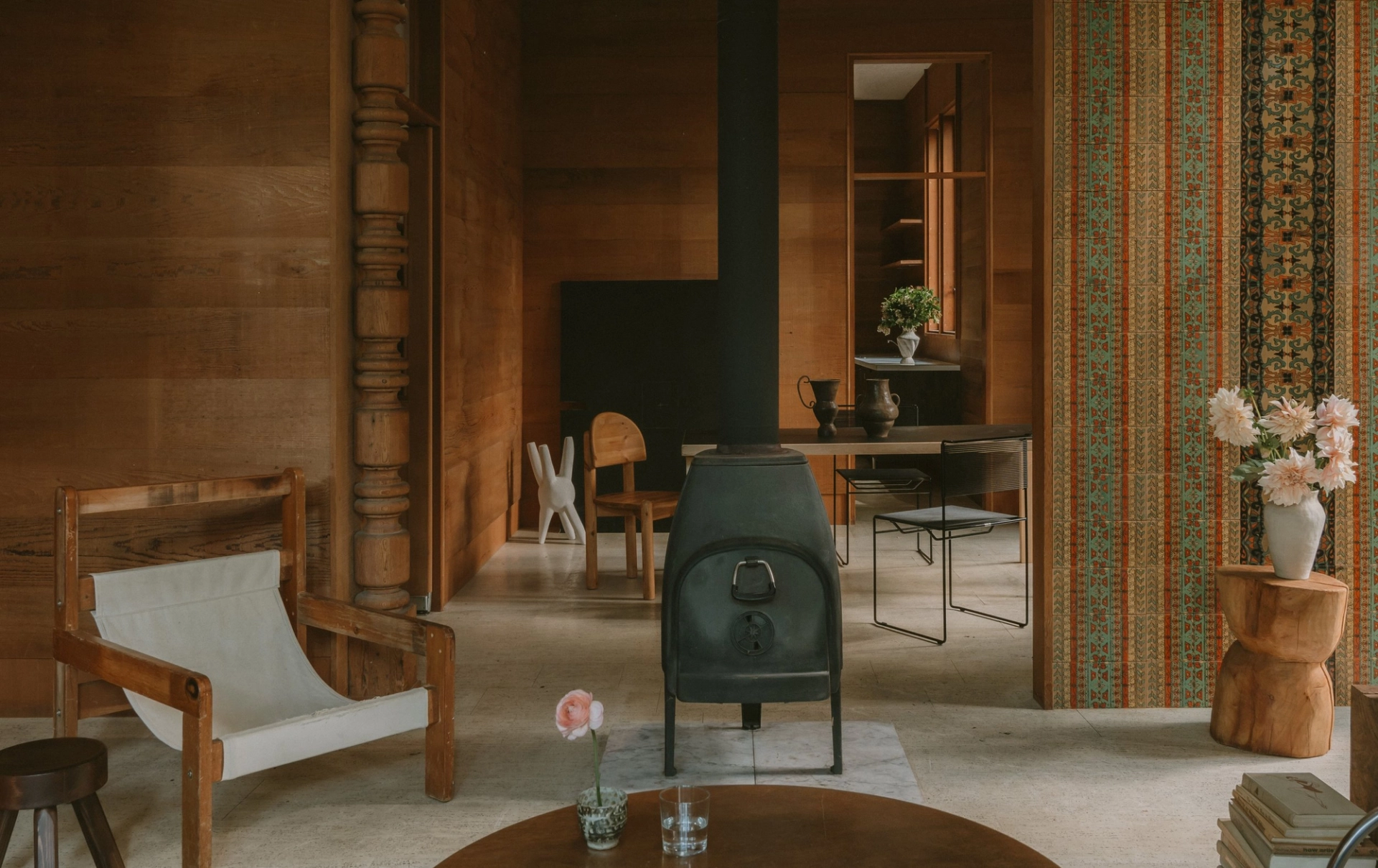
We sat down with Karie Higgins, a Portland-based interior stylist behind Karie Higgins Studio and one third of Assemble Collective. With roots in New Zealand and time spent living in New York, Karie’s work reflects a considered approach to home, balancing modern clarity with timeless design. In this VS Sessions conversation, we talk about place, process, and what it means to create spaces that feel both elevated and lived in.
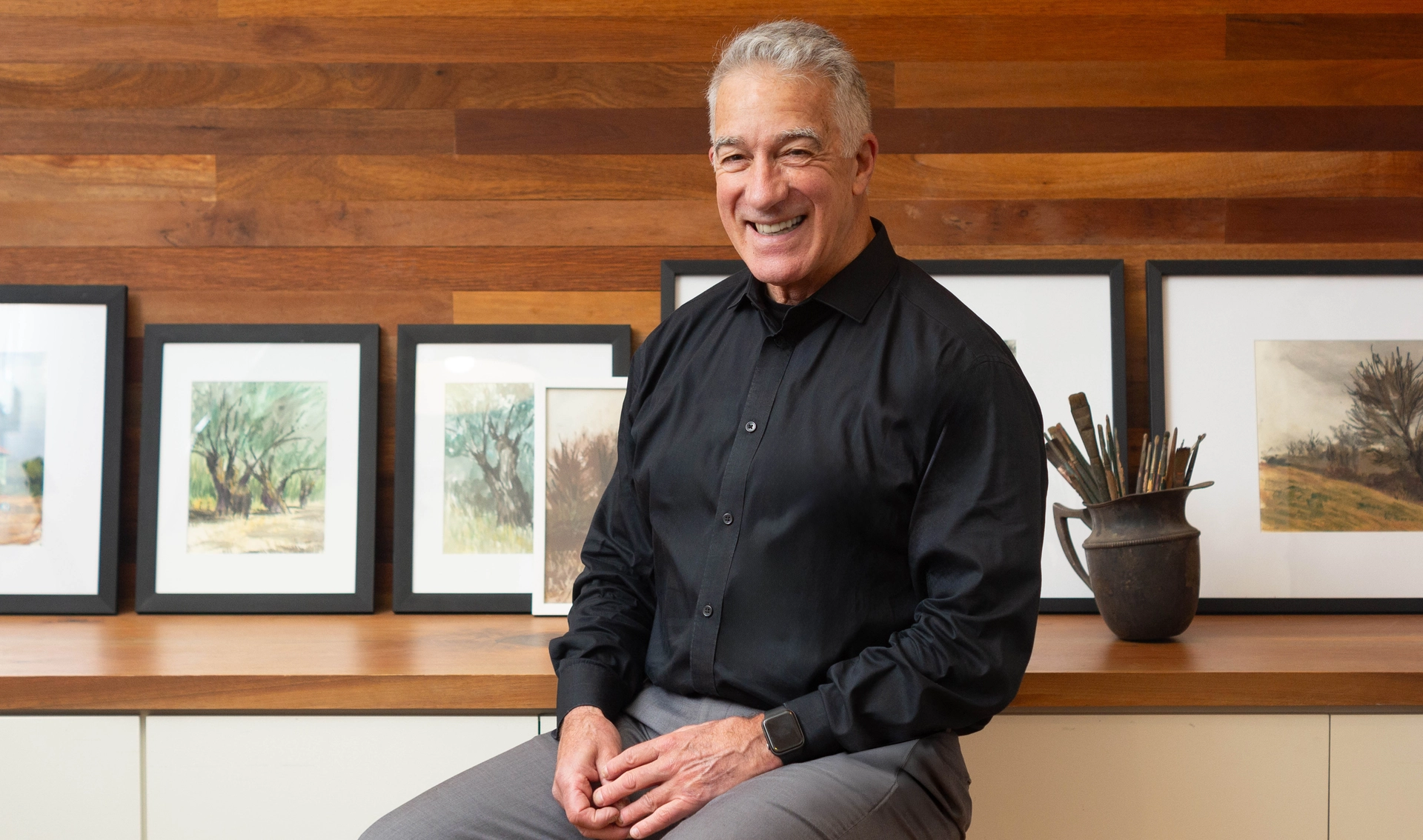
Rick Potestio is a Portland-born architect whose award-winning work through Potestio Studio fuses modern materials with timeless principles of harmony and proportion to create distinctive residential and institutional spaces throughout the Pacific Northwest.
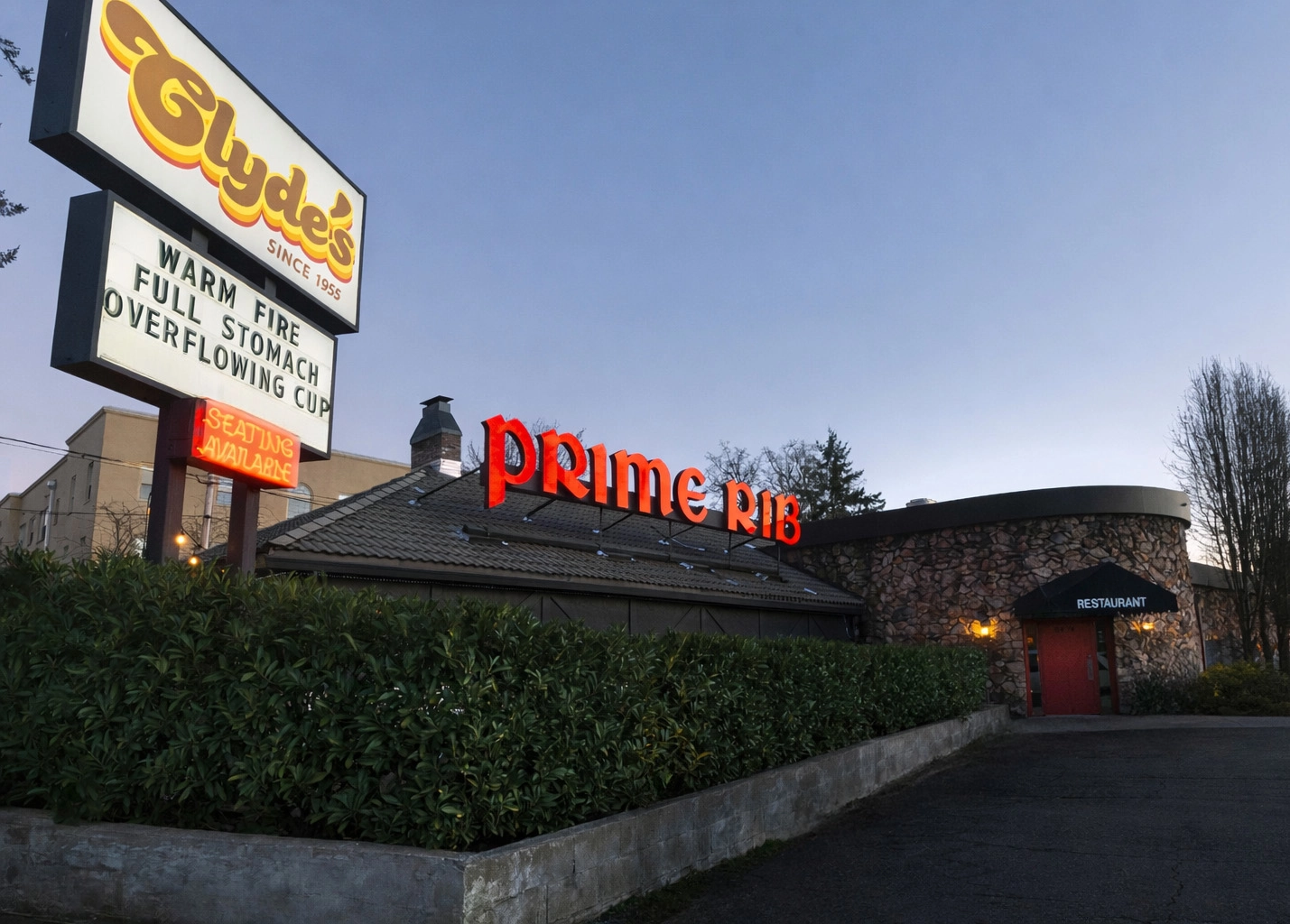
Photo: Paul Wagtouicz
Perched atop Alameda Ridge, Clyde’s Prime Rib is more than a Portland landmark—it’s a story of transformation. From its dark beginnings as a racist chain, it became a beacon under Eddie Mays and later Ernest Clyde Jenkins II, who turned it into a thriving, integrated hub for community, live music, and classic prime rib. With its castle-like exterior, vintage steakhouse charm, and decades of jazz, Clyde’s remains a beloved local destination where history, flavor, and culture converge.