

Echoes of Mérida, Marfa, and Judd
6015 SE Salmon St, Portland
Photos: OliverHarper, Jones Media Shop
Styling: OliverHarper
Book a tour
Today in the Studio
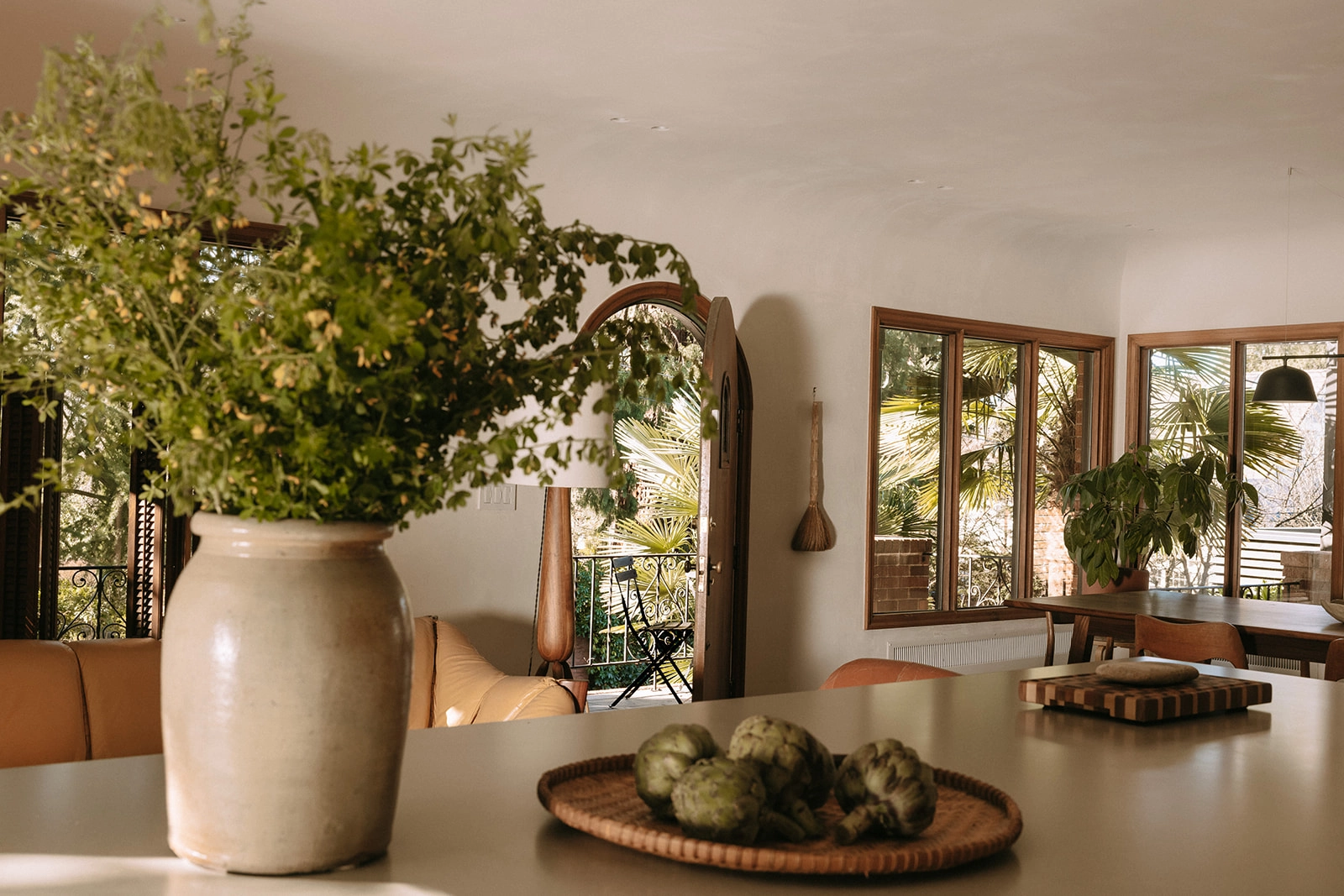
Mediterranean Revival homes are rare in Portland. Terracotta, plaster curves, windows proportioned for a warmer sun. The style carries the air of a permanent vacation, and this one had been sitting at the base of Mt. Tabor—a dormant volcano—for decades. Bones intact. Waiting. It took a particular eye and a particular conviction to see what it could become.
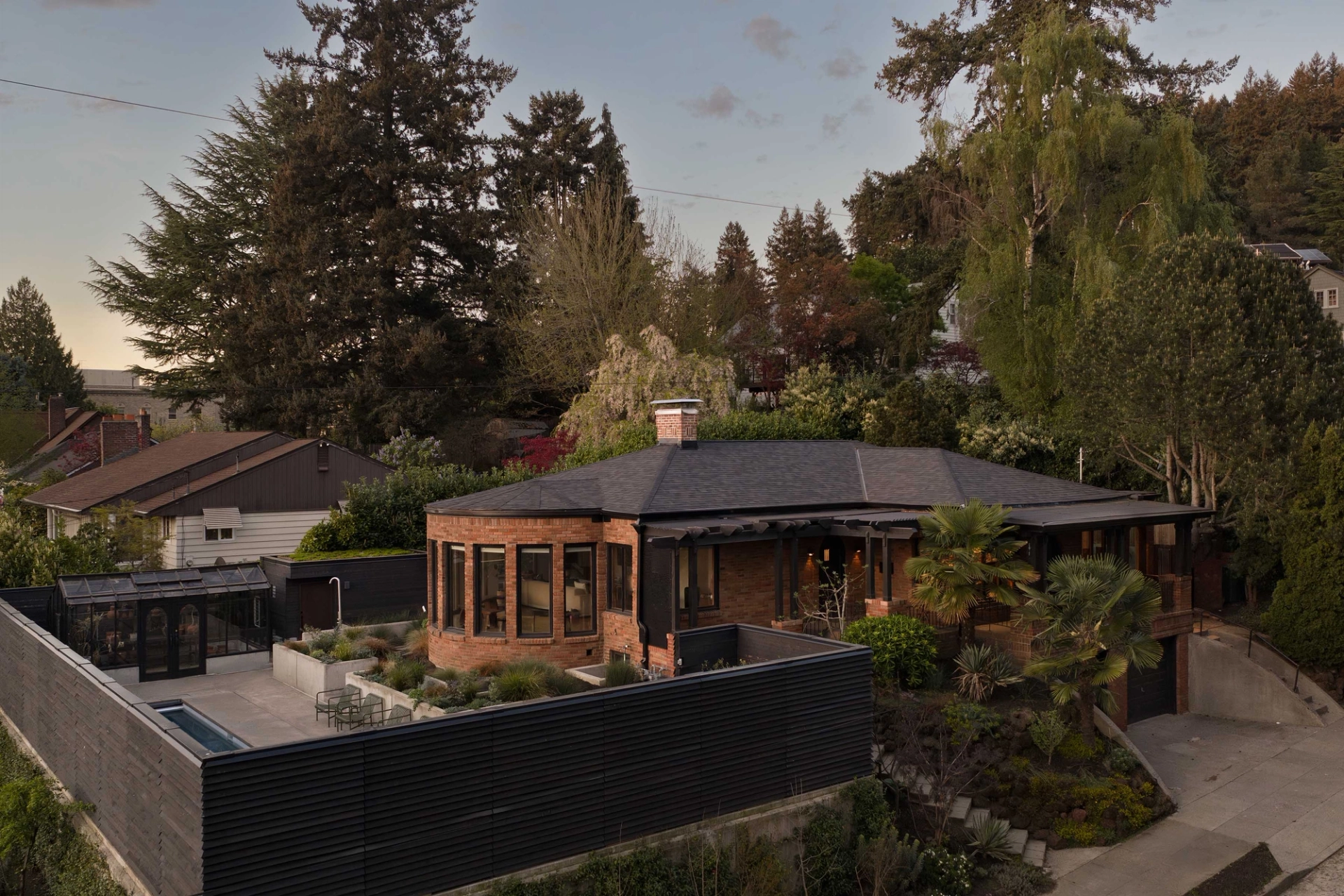
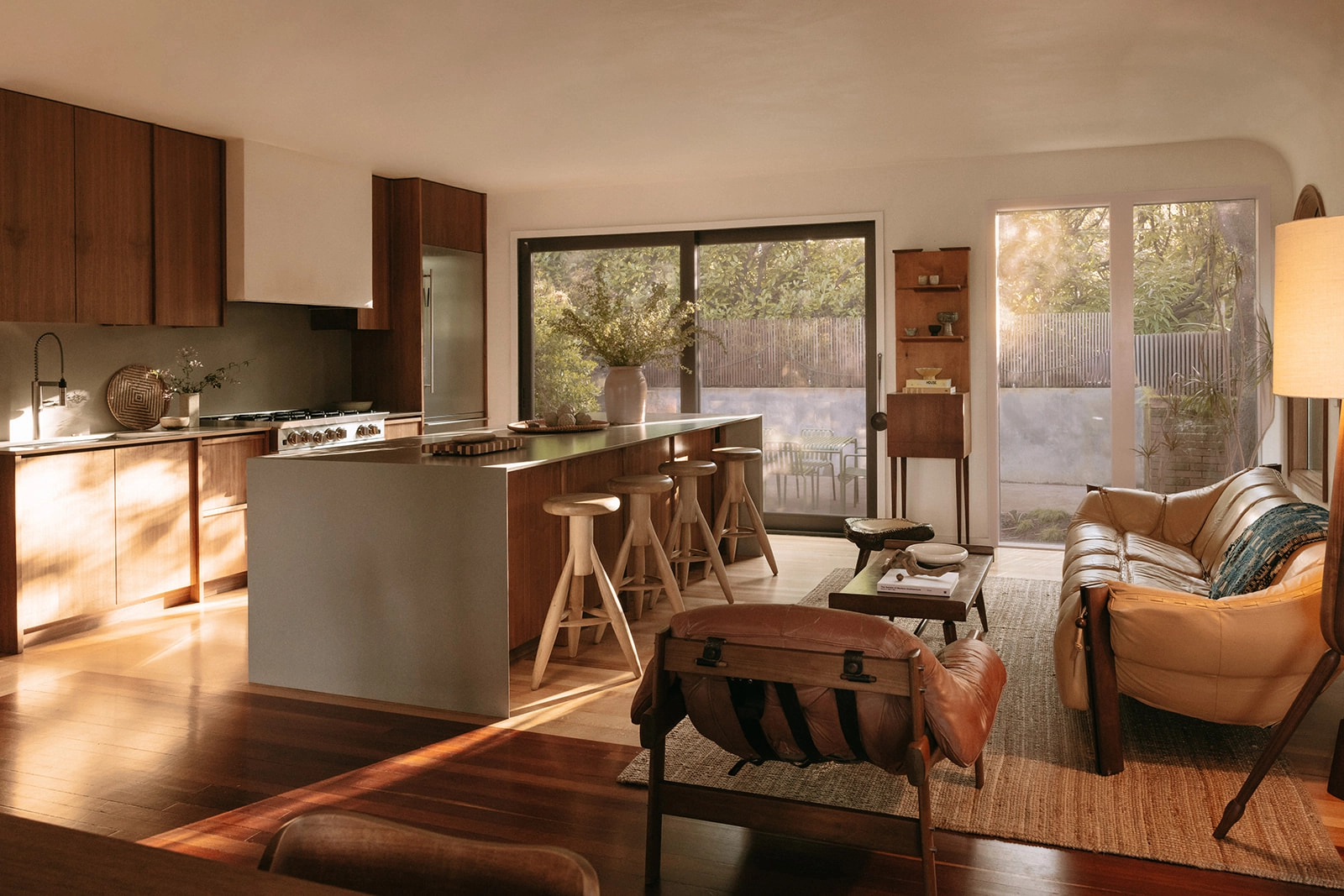
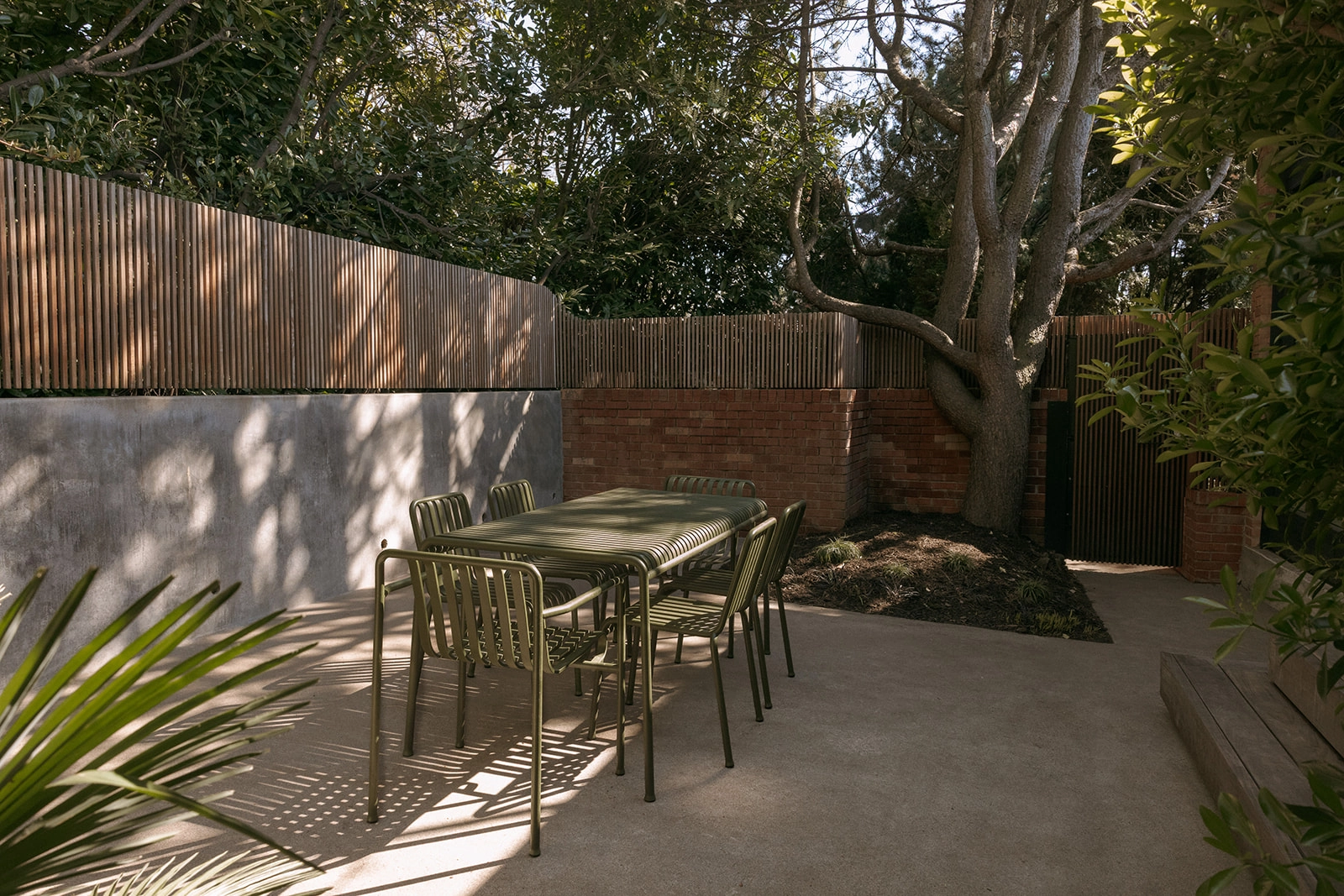
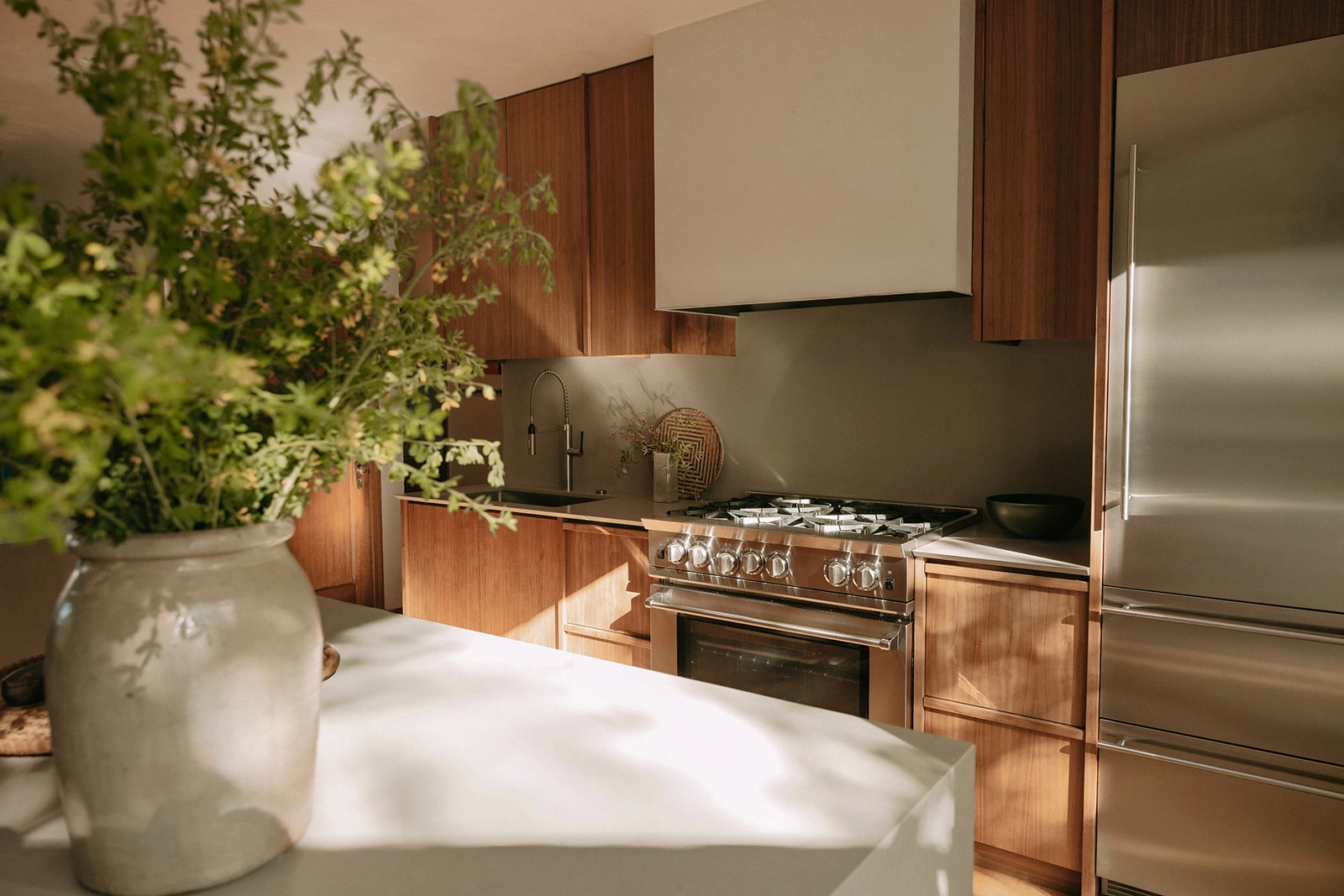
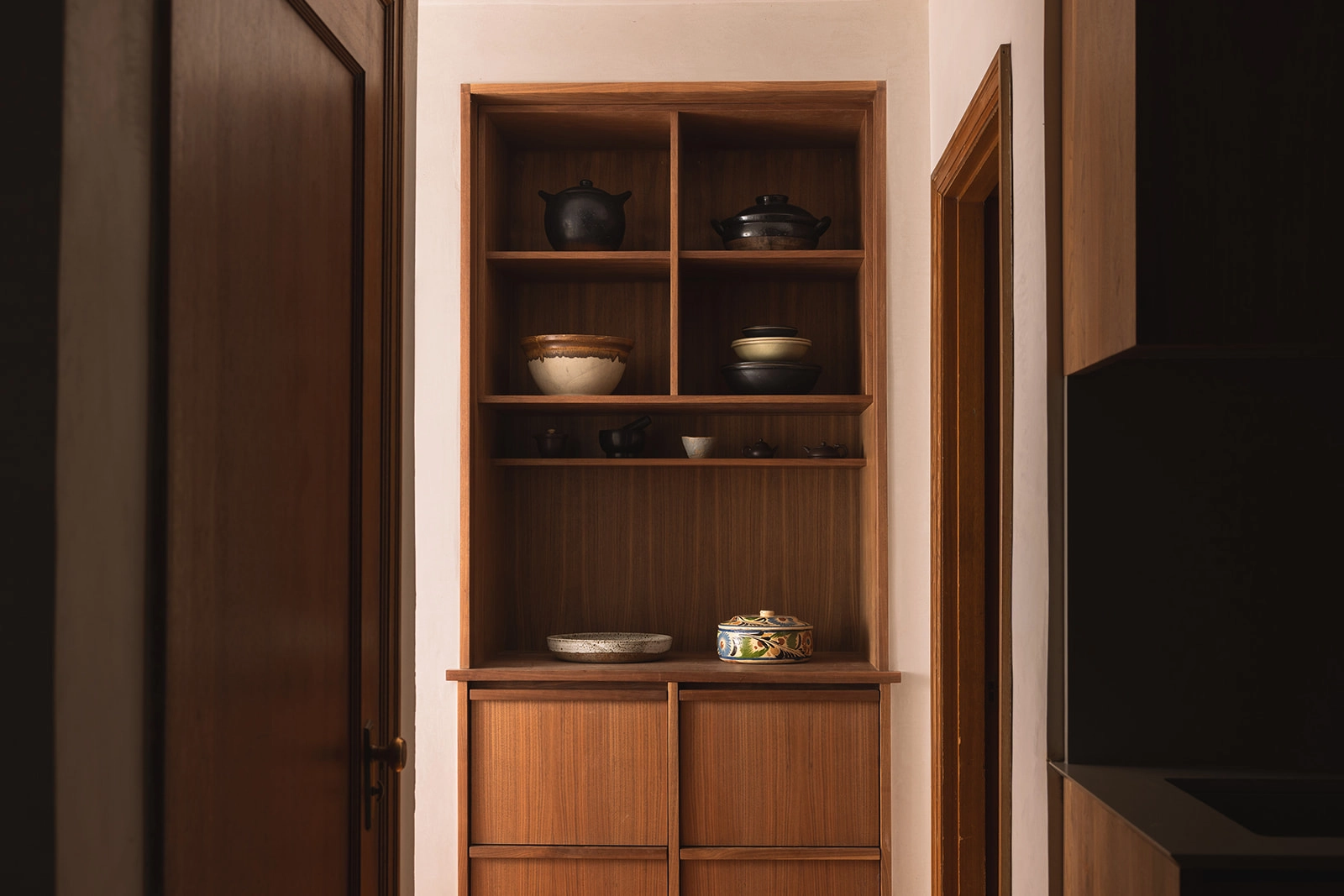
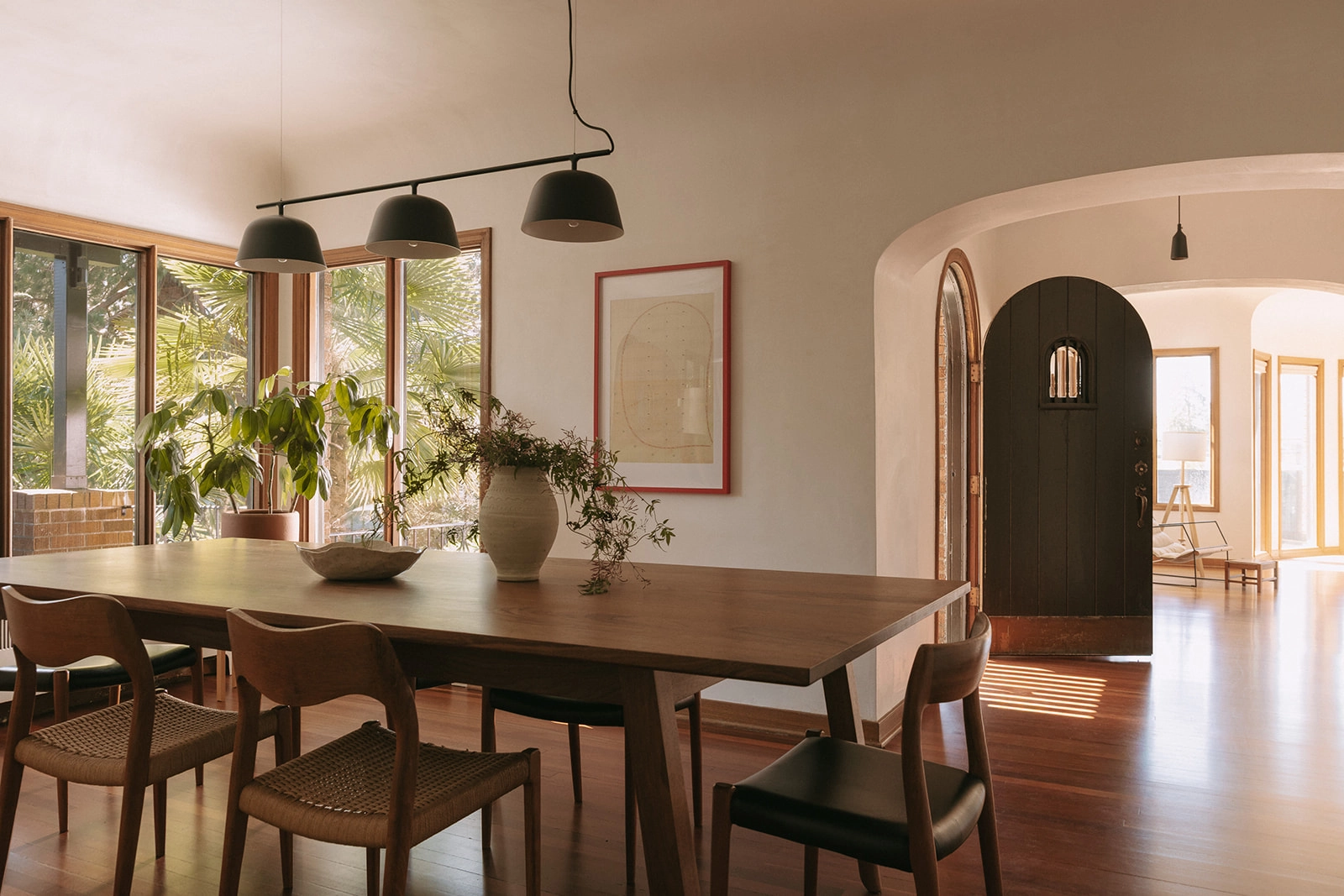
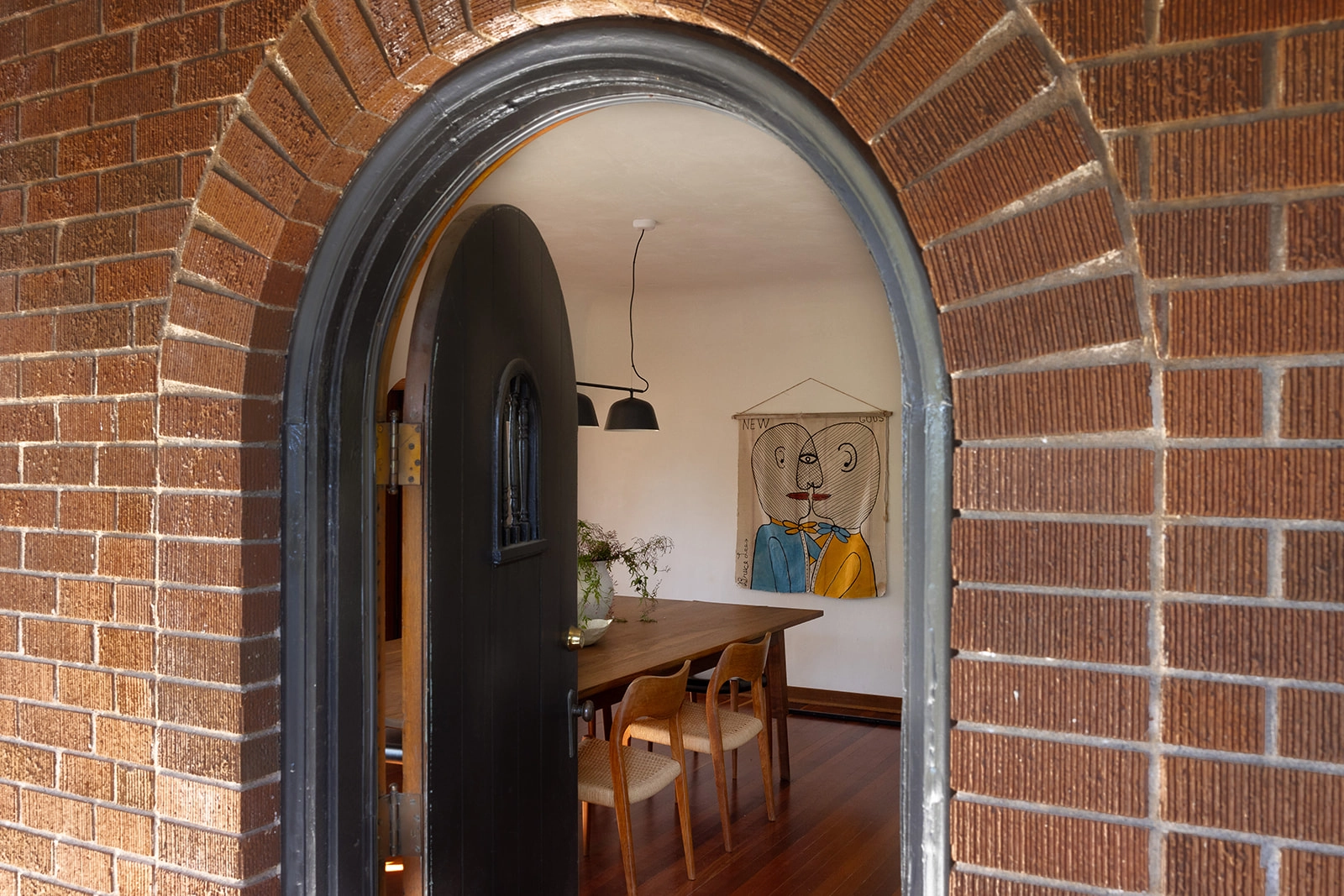
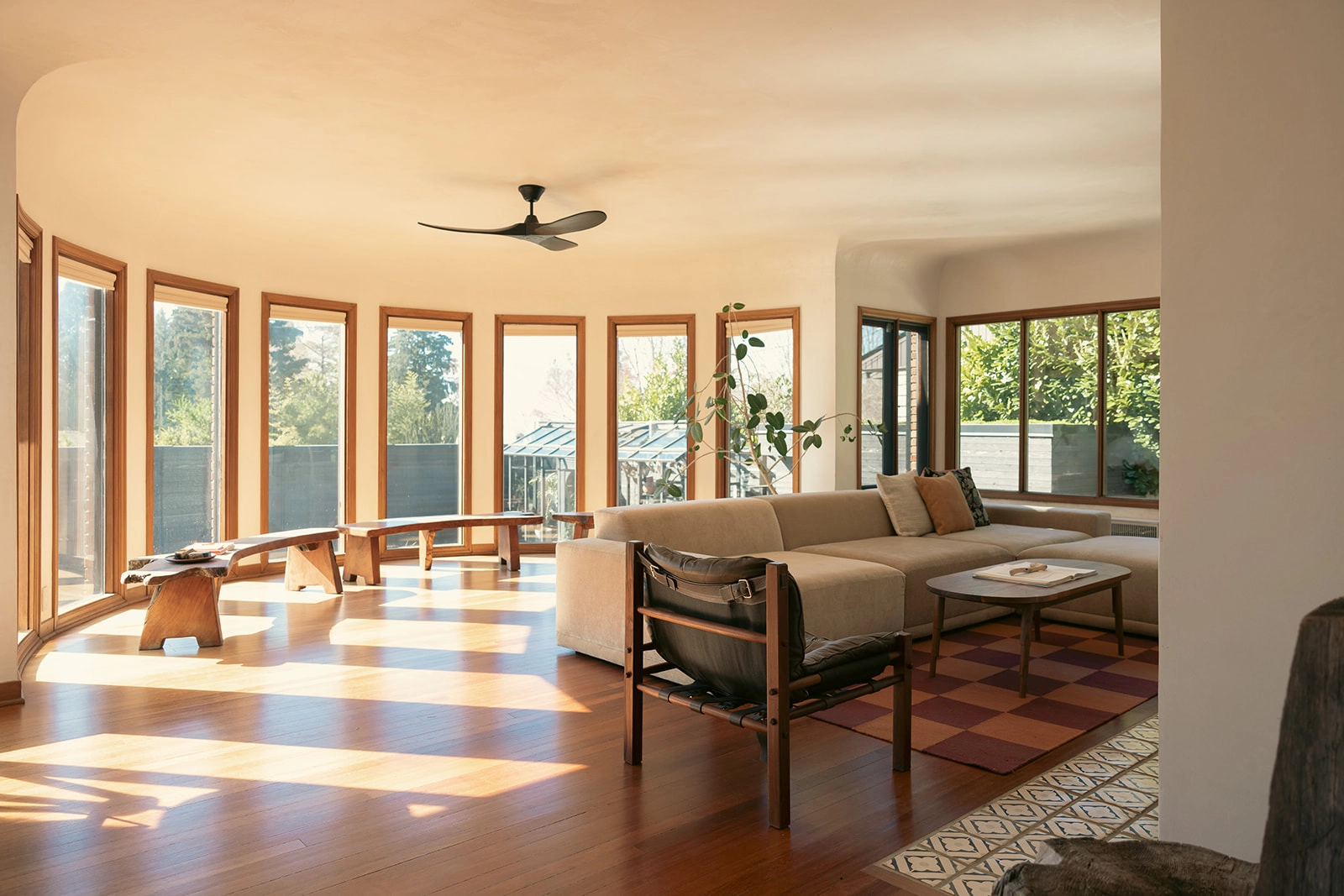
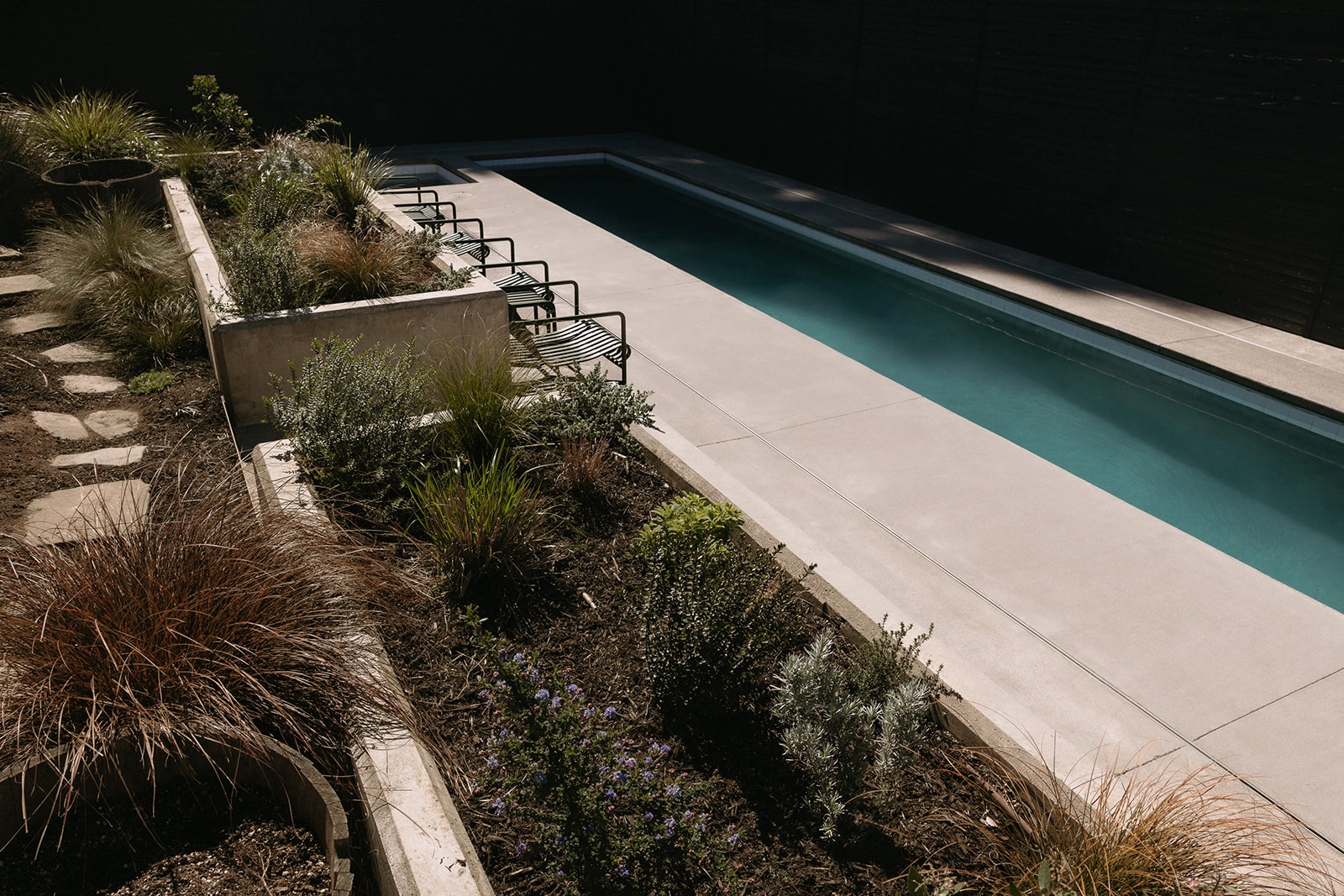
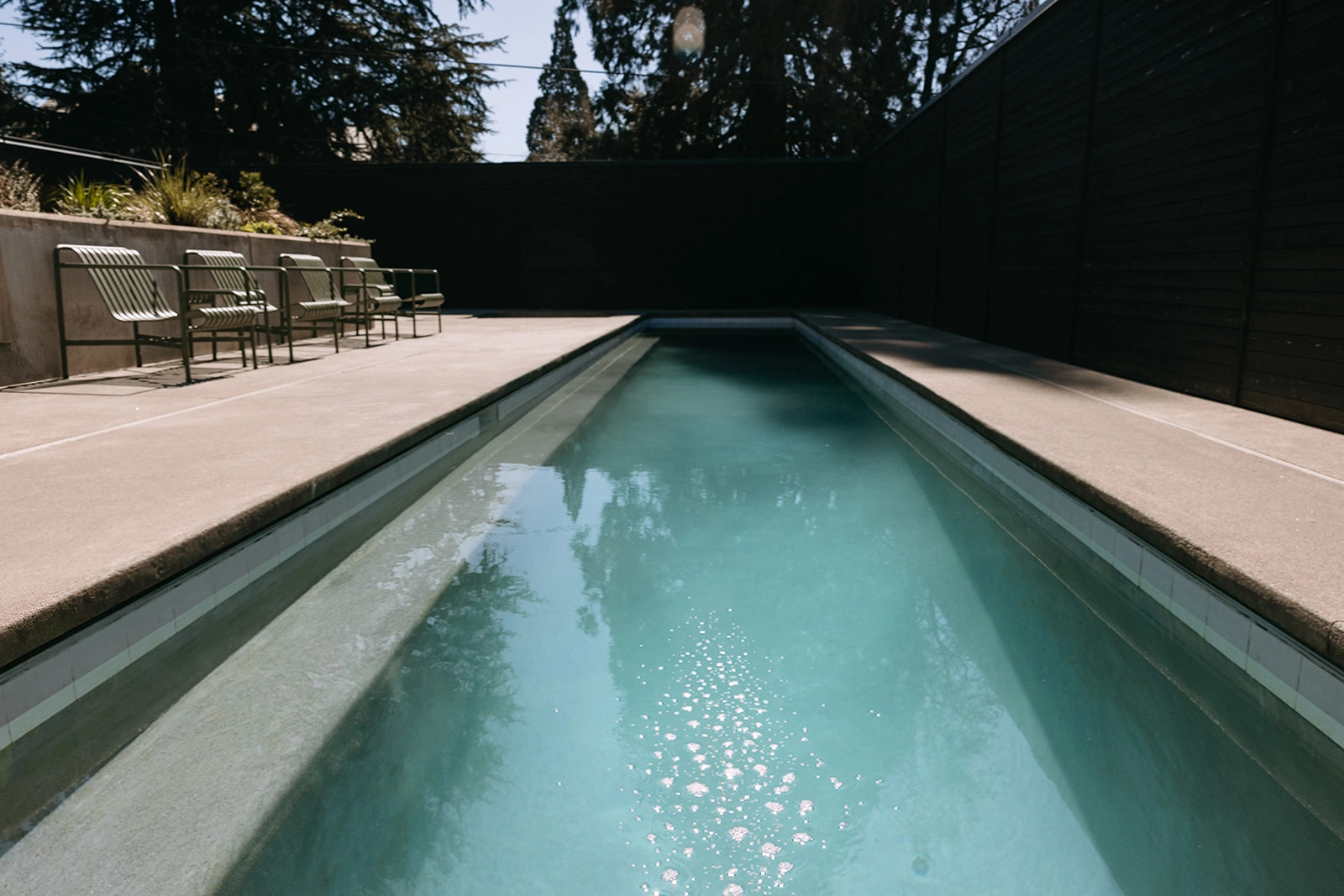
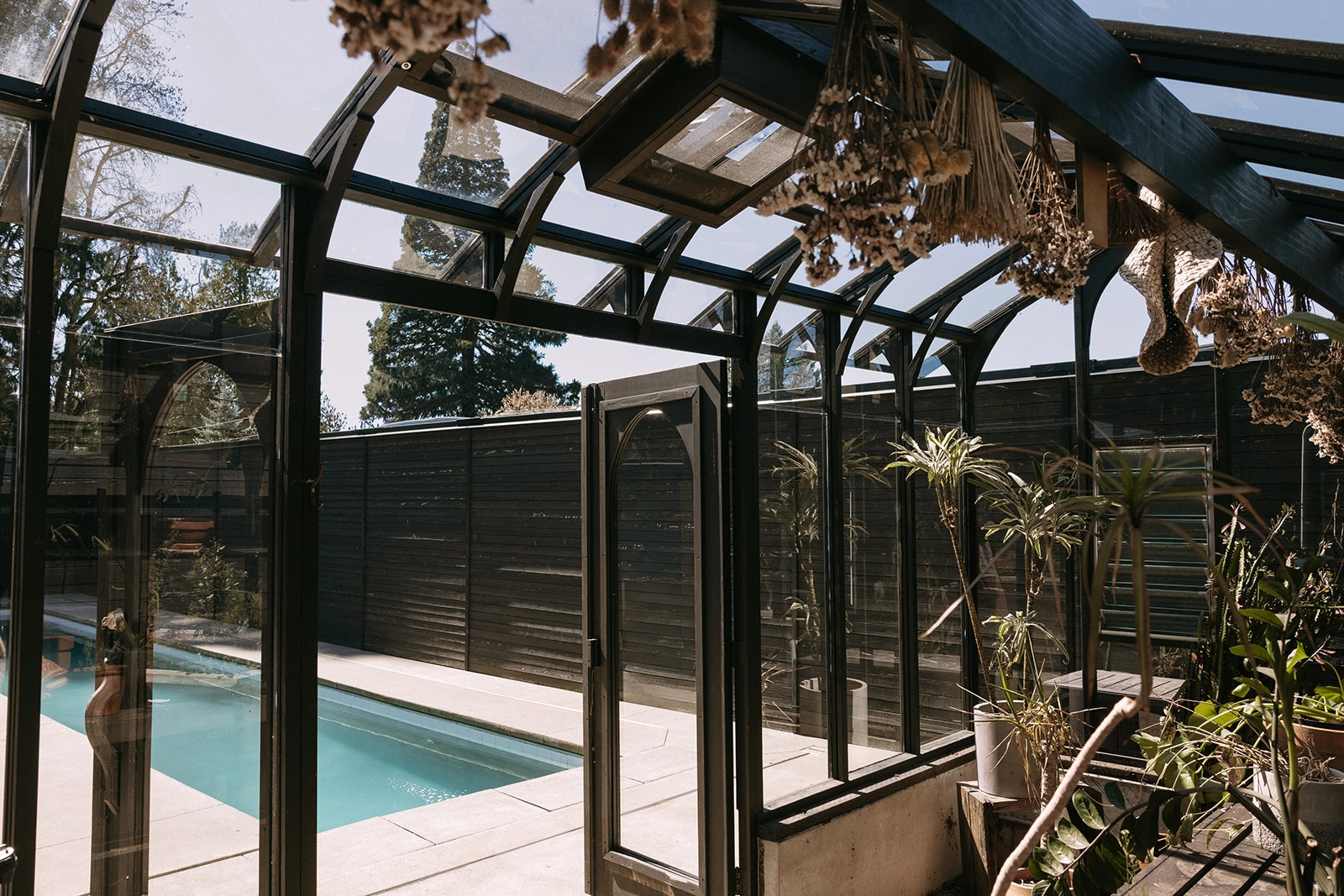
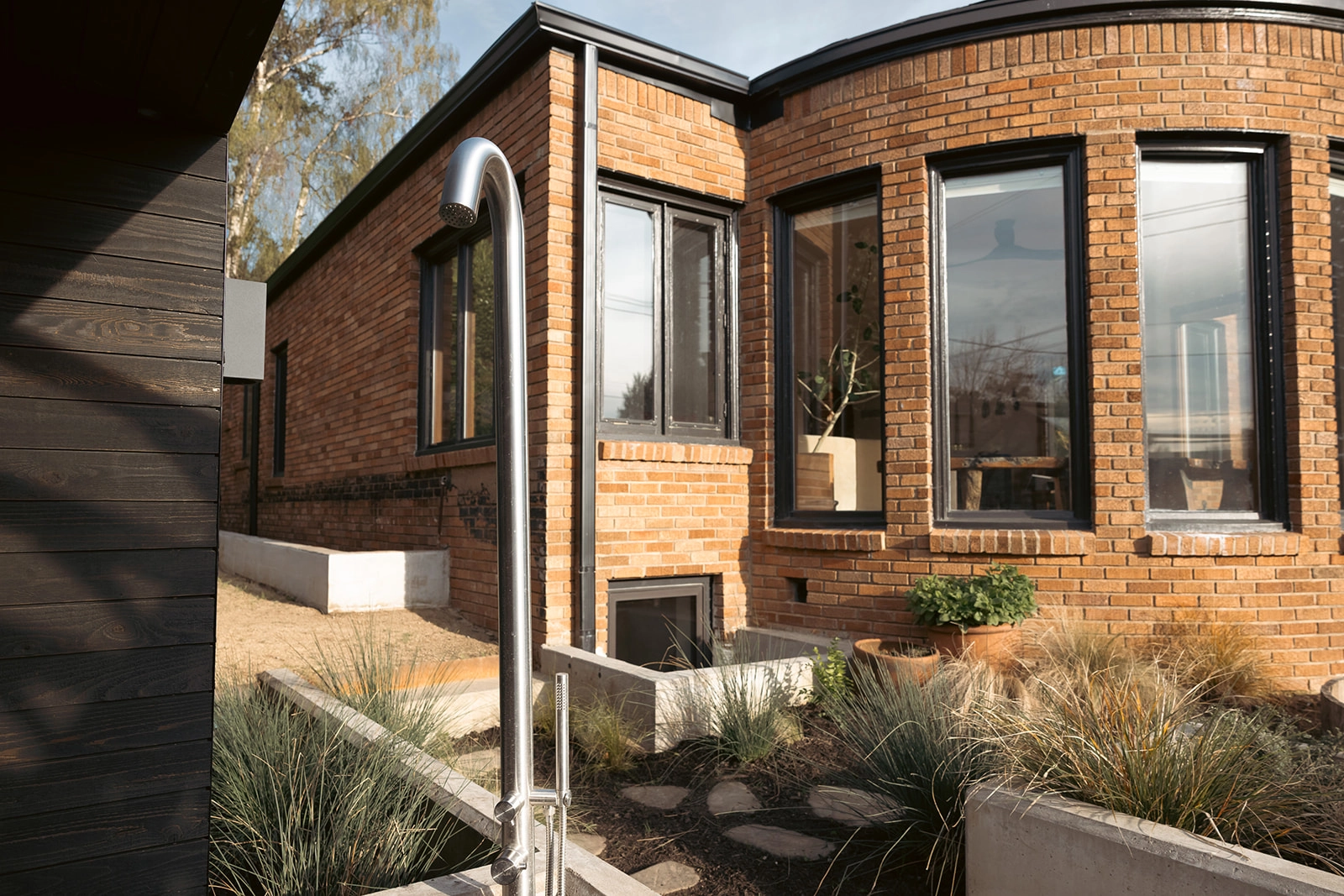
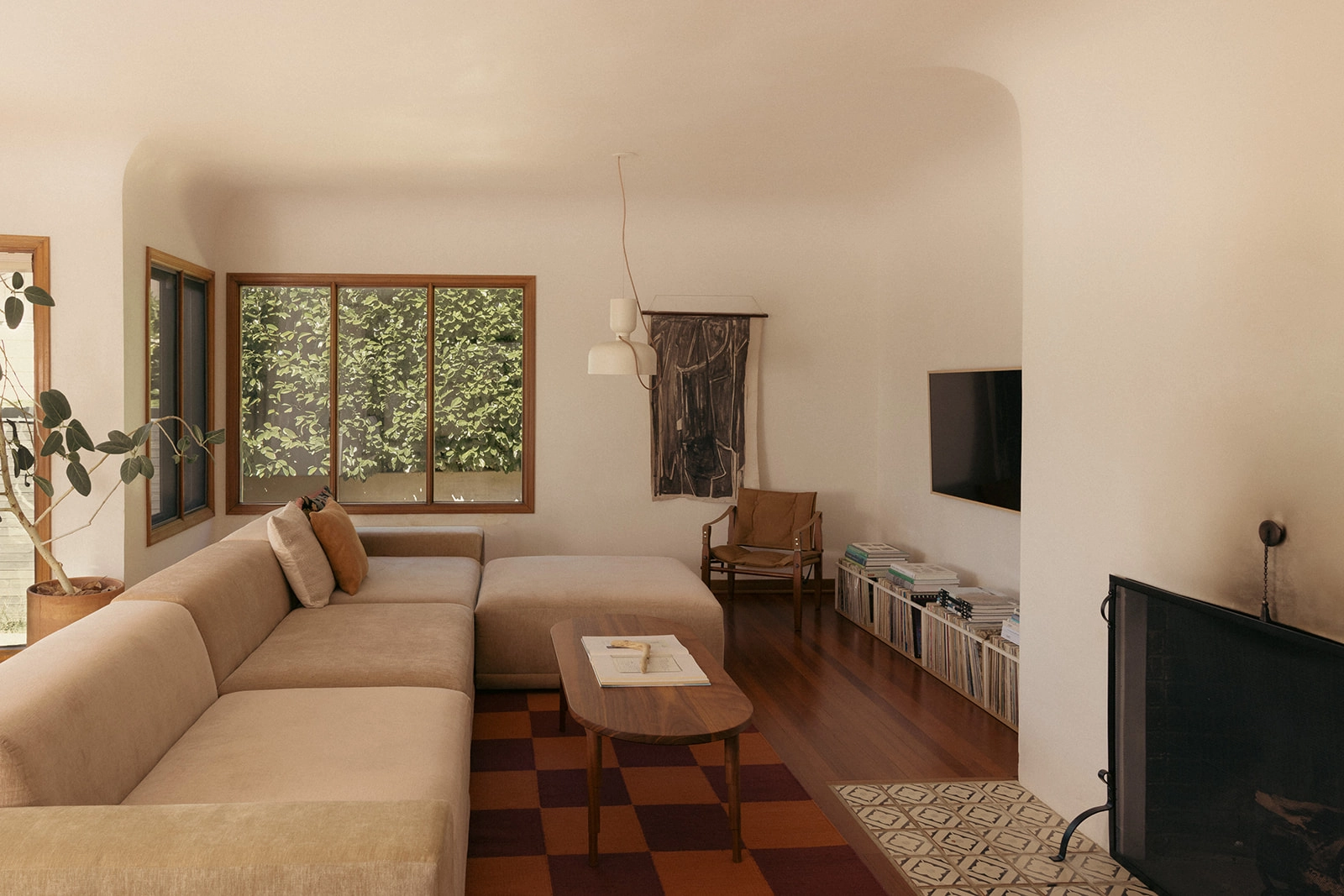
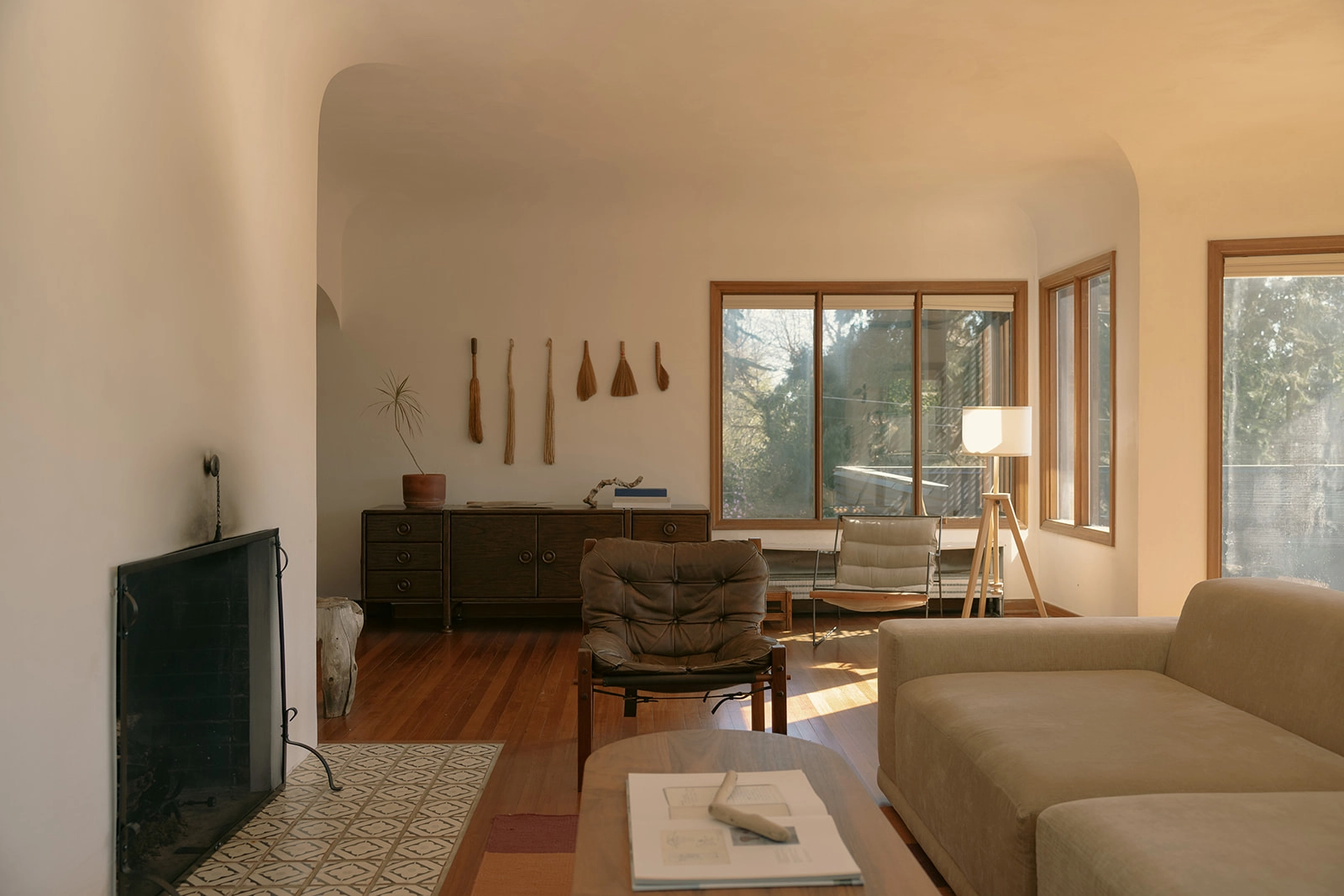
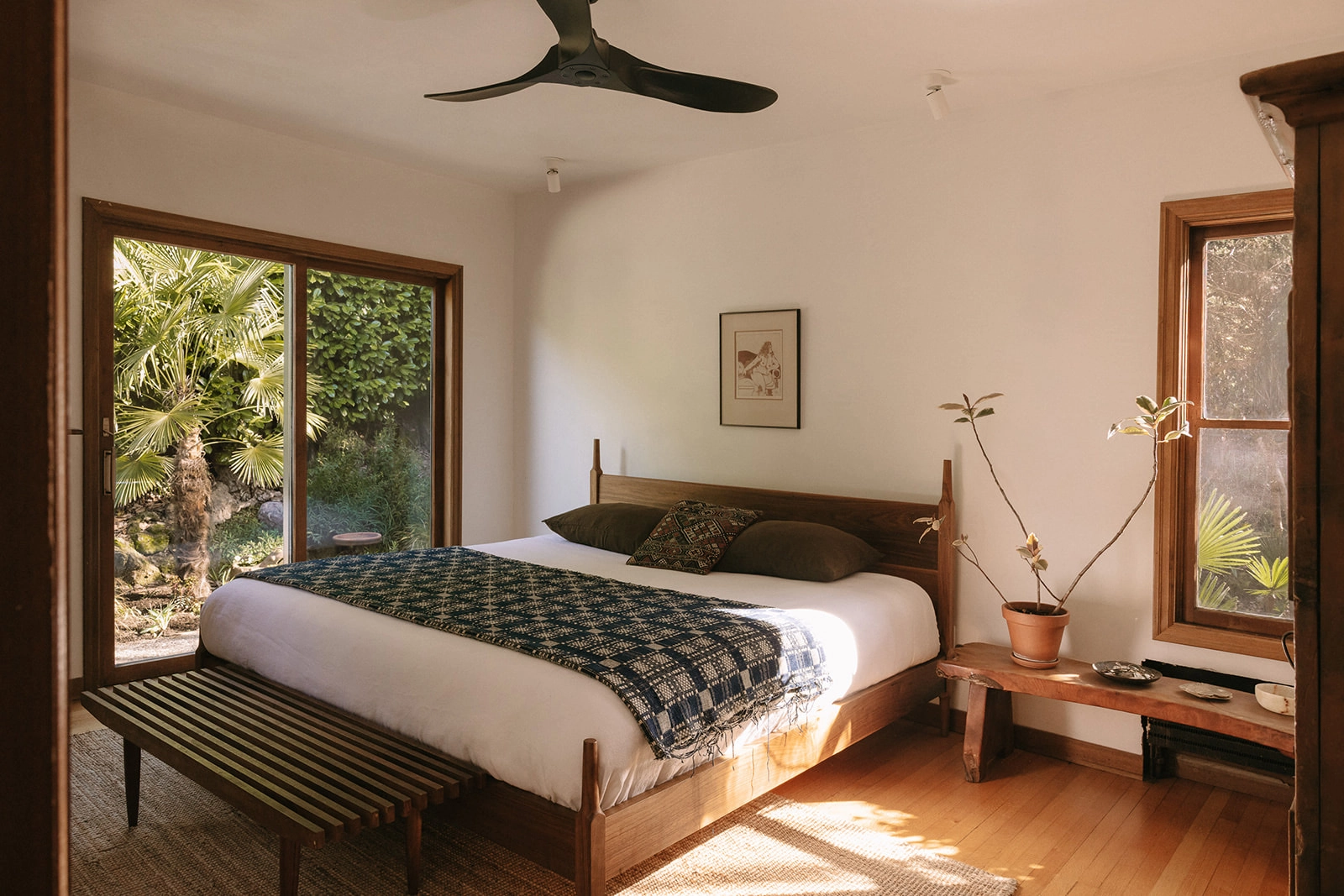
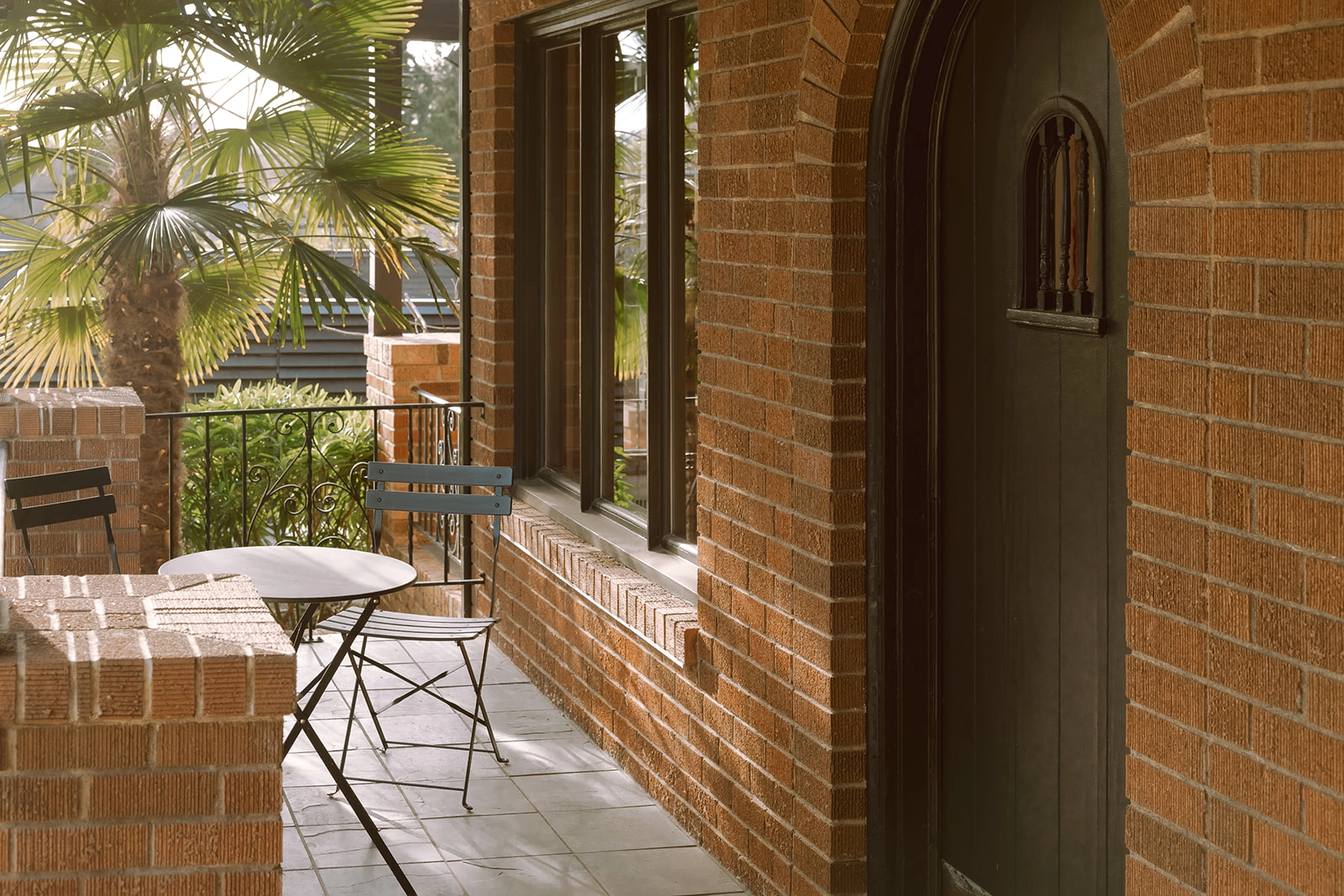
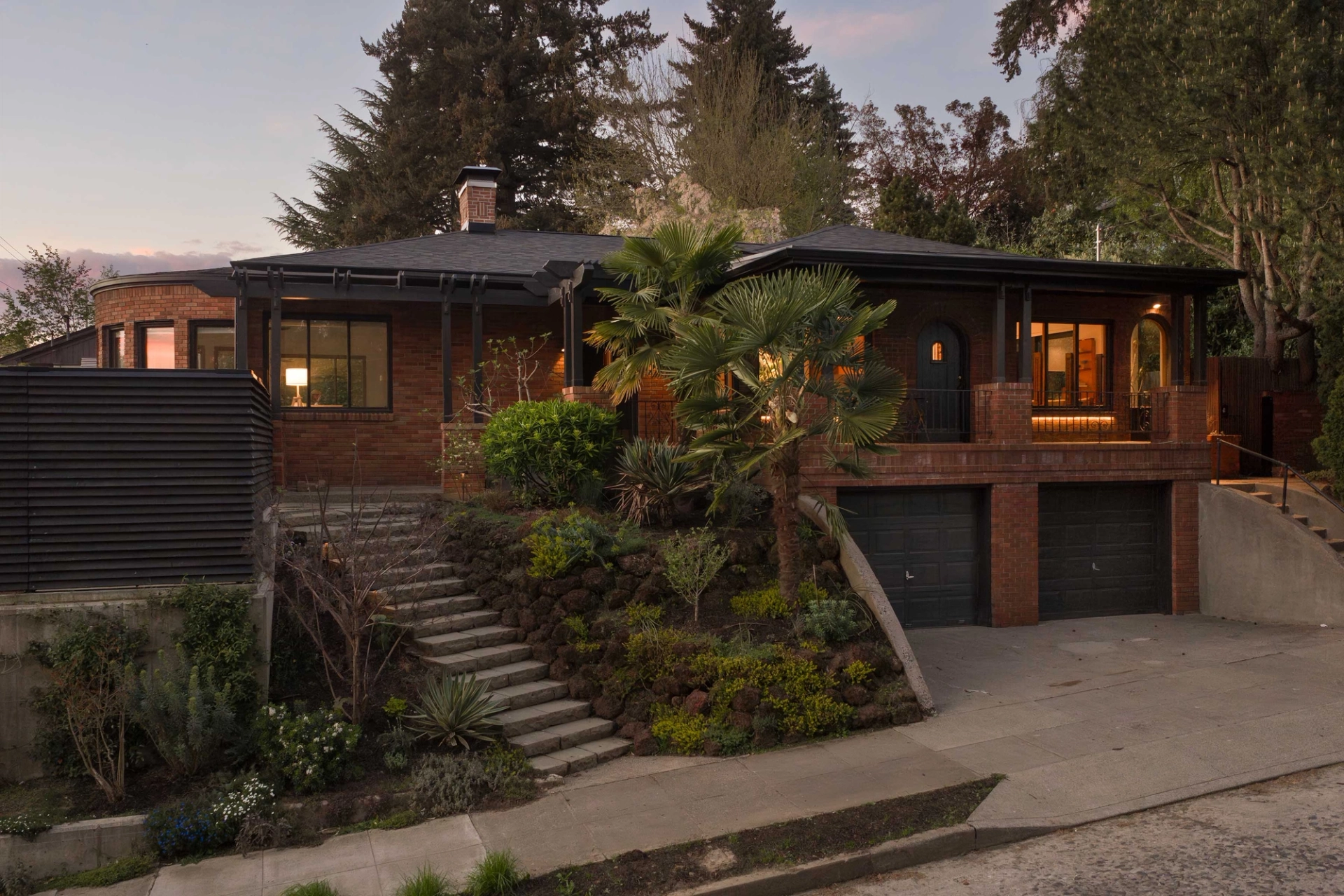
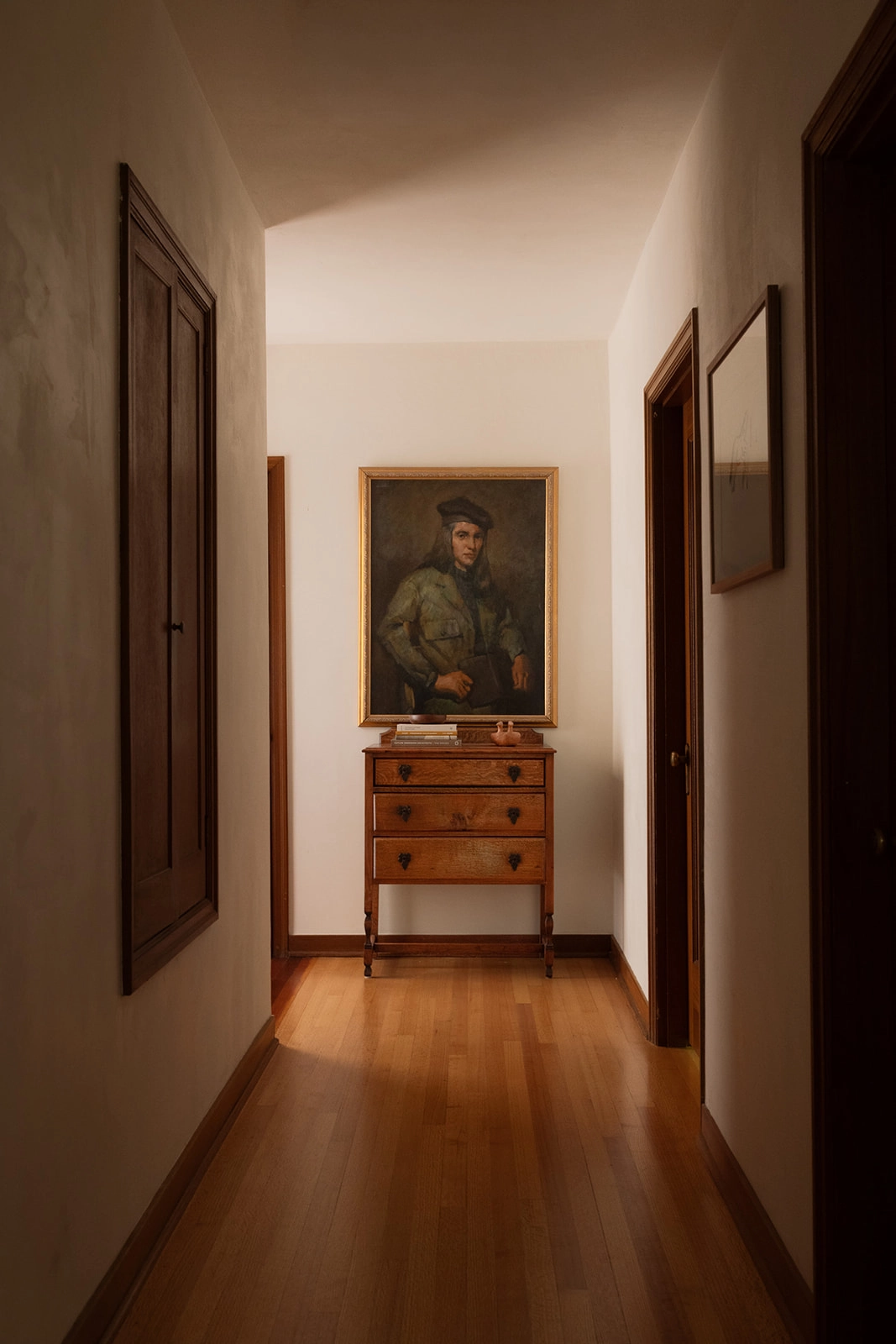
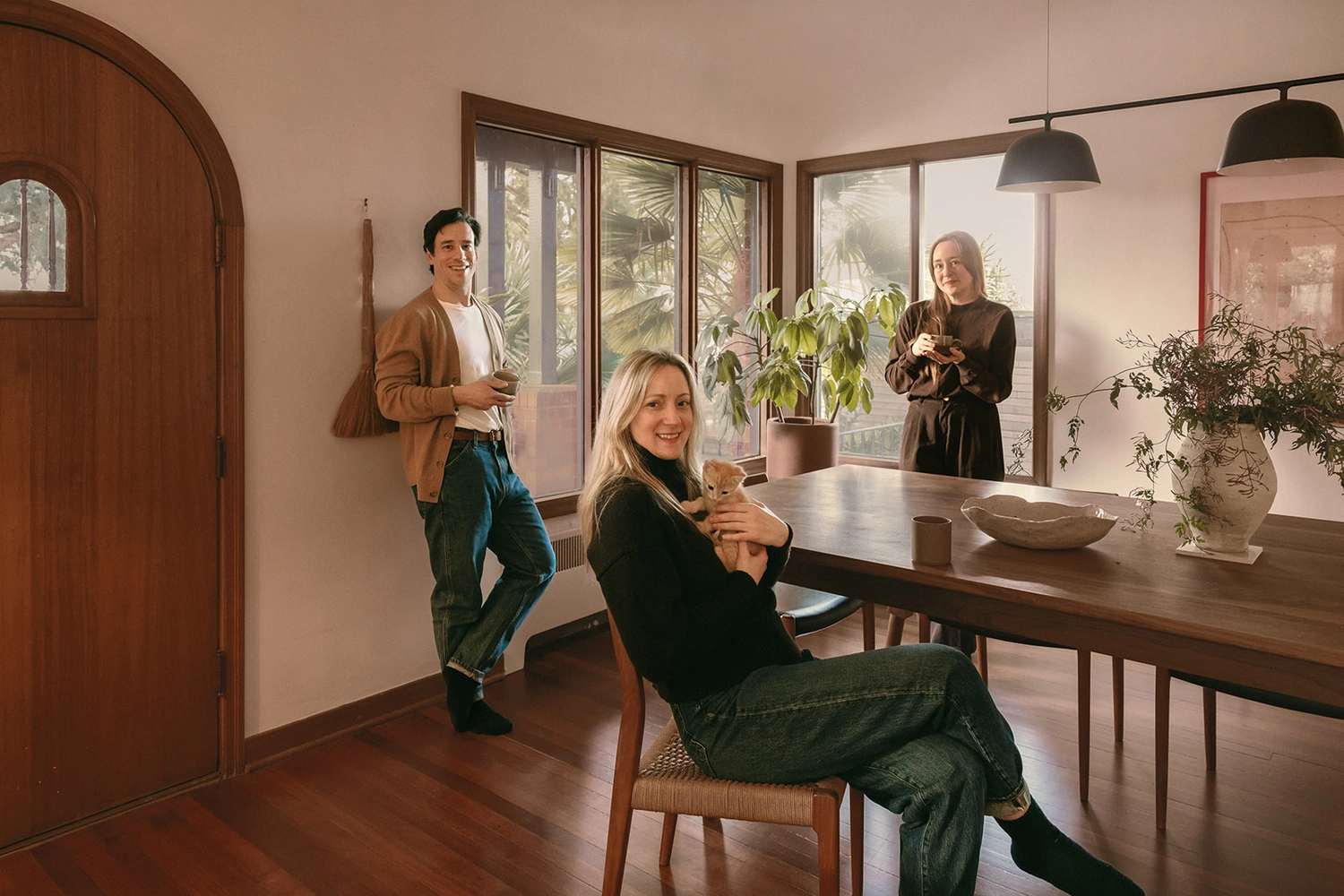
In a city that sees 144 gray days a year, a house that genuinely feels warm is a form of resistance. The plaster holds heat. The windows catch whatever light exists and hold it inside. The whole composition leans toward the sun in a way that most Portland houses simply don’t. Walking through the door feels, even in November, like arriving somewhere south of here.
What you don’t immediately clock is that the person who renovated it also lives here, which is a particular kind of freedom and a particular kind of pressure. Will’s love of Belgian modernism quietly runs through every custom built-in, every proportion decision, every material that earned its place. The house is full of his thinking in the way that only happens when the designer doesn’t get to leave at the end of the day. The pool, the compound, the garden beds extending the architecture outward into four seasons of Pacific Northwest weather—none of it was calculus. It was longing. Seven years later, the house is an art piece they also happen to sleep in.
The Vetiver Street Creative Team joined Dana, Whitney, and Will to learn more about their desire to live within what they’d always had to travel to find.
Q: What’s the story of how this home came to be yours?
Dana: We were in Amsterdam, not looking, not even thinking about it. Will was at a market and I, for no particular reason, started looking at houses online. I never do that. This strange, beautiful Mediterranean house appeared. Through all the wallpaper and the tight 1940s rooms, I could see the bones so clearly. And the garden looked almost Japanese - moss-covered paths winding between large boulders, prehistoric plants crawling over everything, a twenty-foot hedge. I’d always wanted a compound.
It was on Mt. Tabor, too, which I’d long imagined living on someday; one of only three volcanoes in the center of any city in the world.
Will came out of the market and I put my phone in his face and said, we’re buying this house. He called his mom and his best friend to go look at it for us. They both thought we were crazy. They couldn’t see what we saw—how much character was already built into it. We made an offer from Amsterdam without ever seeing it ourselves.
Q: The house was in rough shape when you bought it. What did “getting it right” actually require?
Will: The plaster curves were intact, and they were the reason we bought it. Almost everything else needed to go. New electrical, new plumbing, water meter, earthquake retrofit, structural work throughout. You have to do all of that before you can do any of what you actually care about, and you have to do it without losing the thread of what the house is supposed to become. That’s the part that takes discipline.
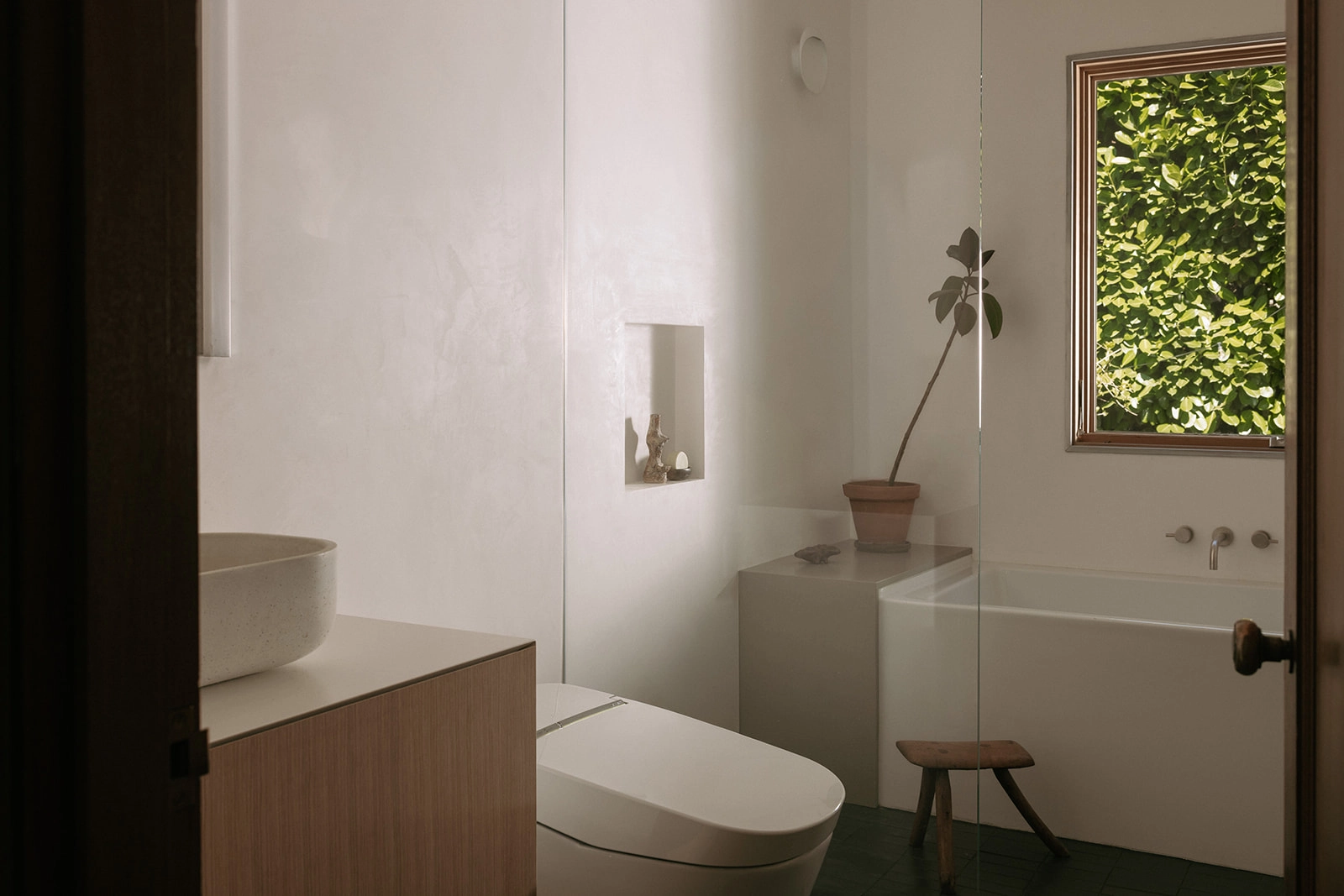
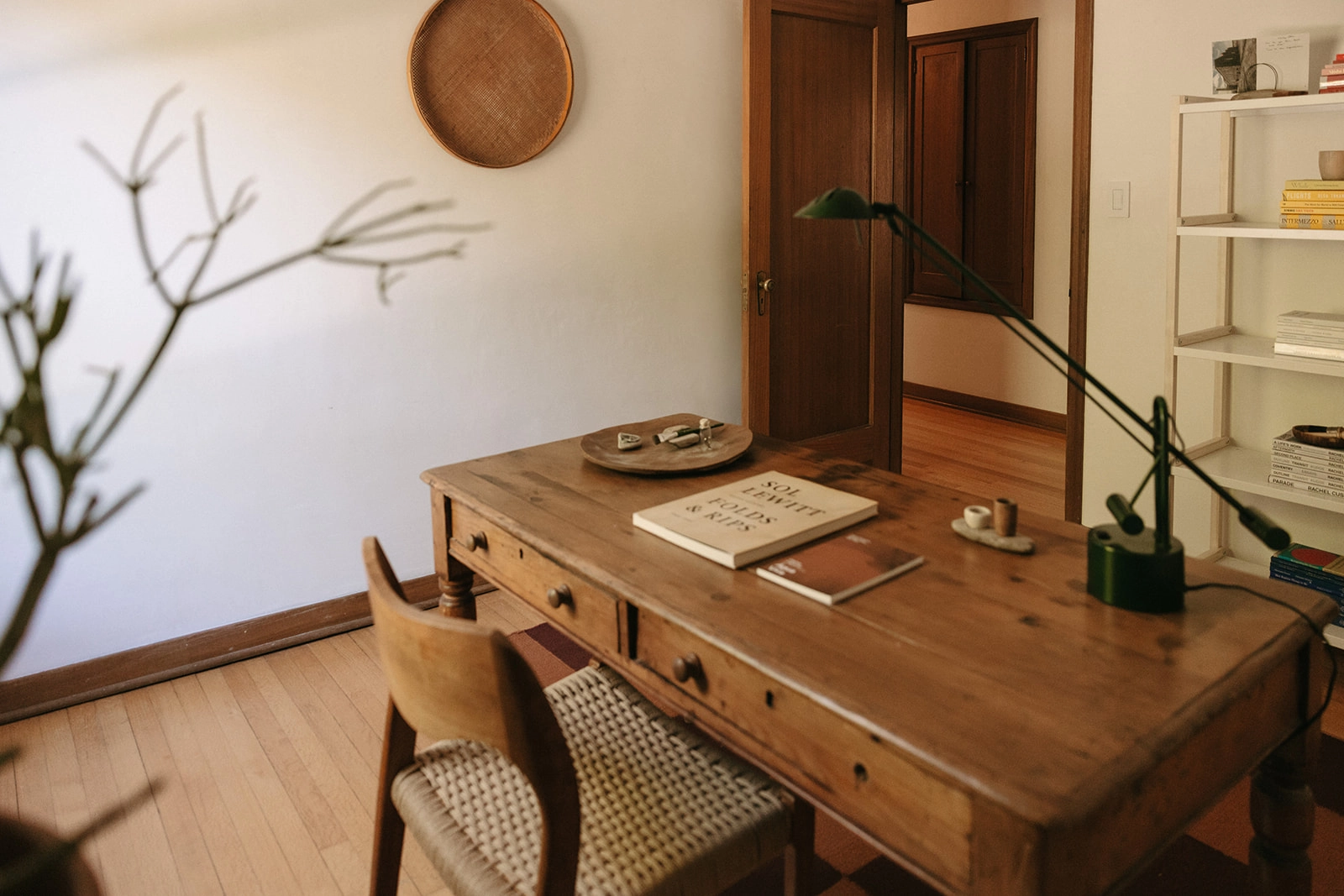
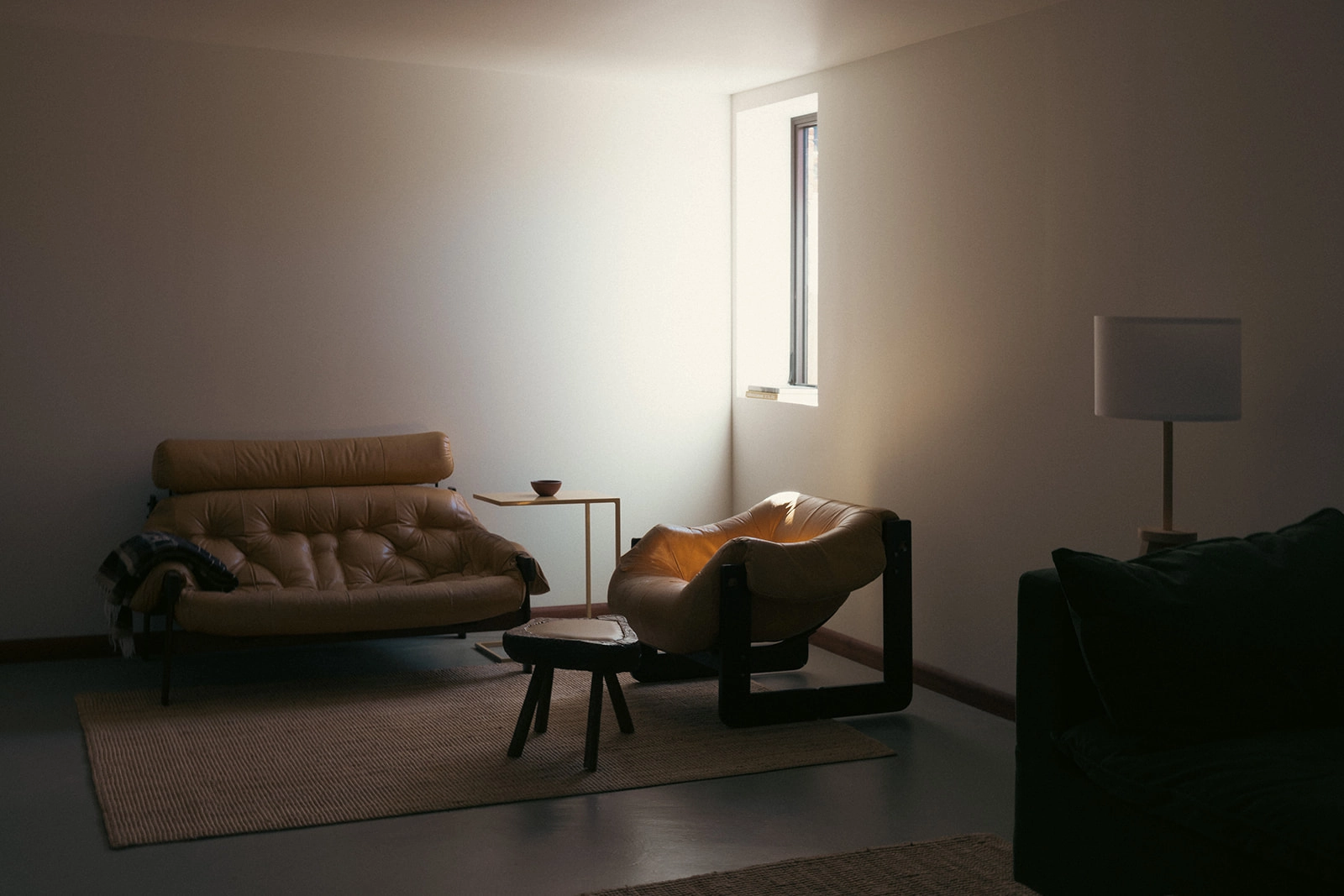
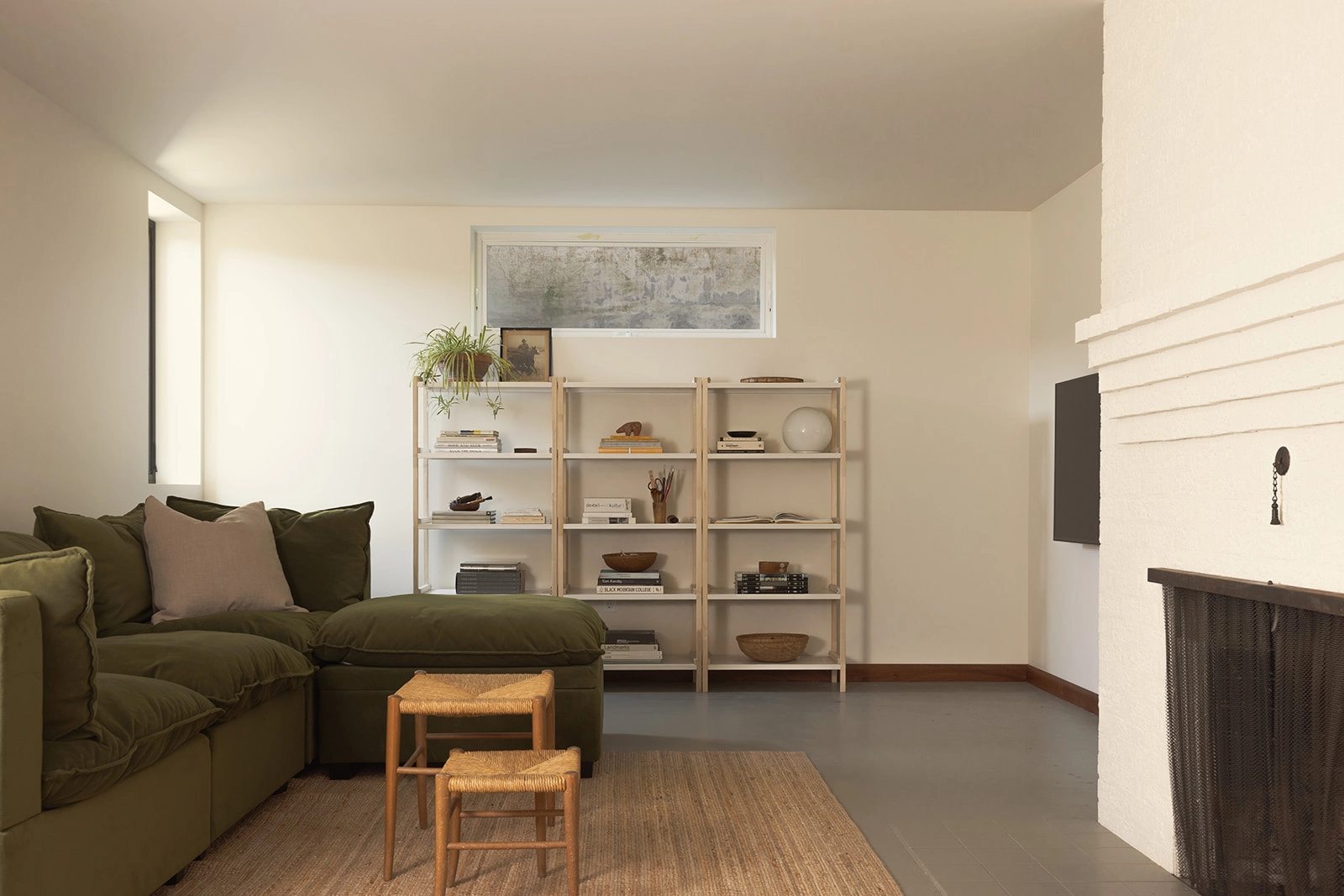
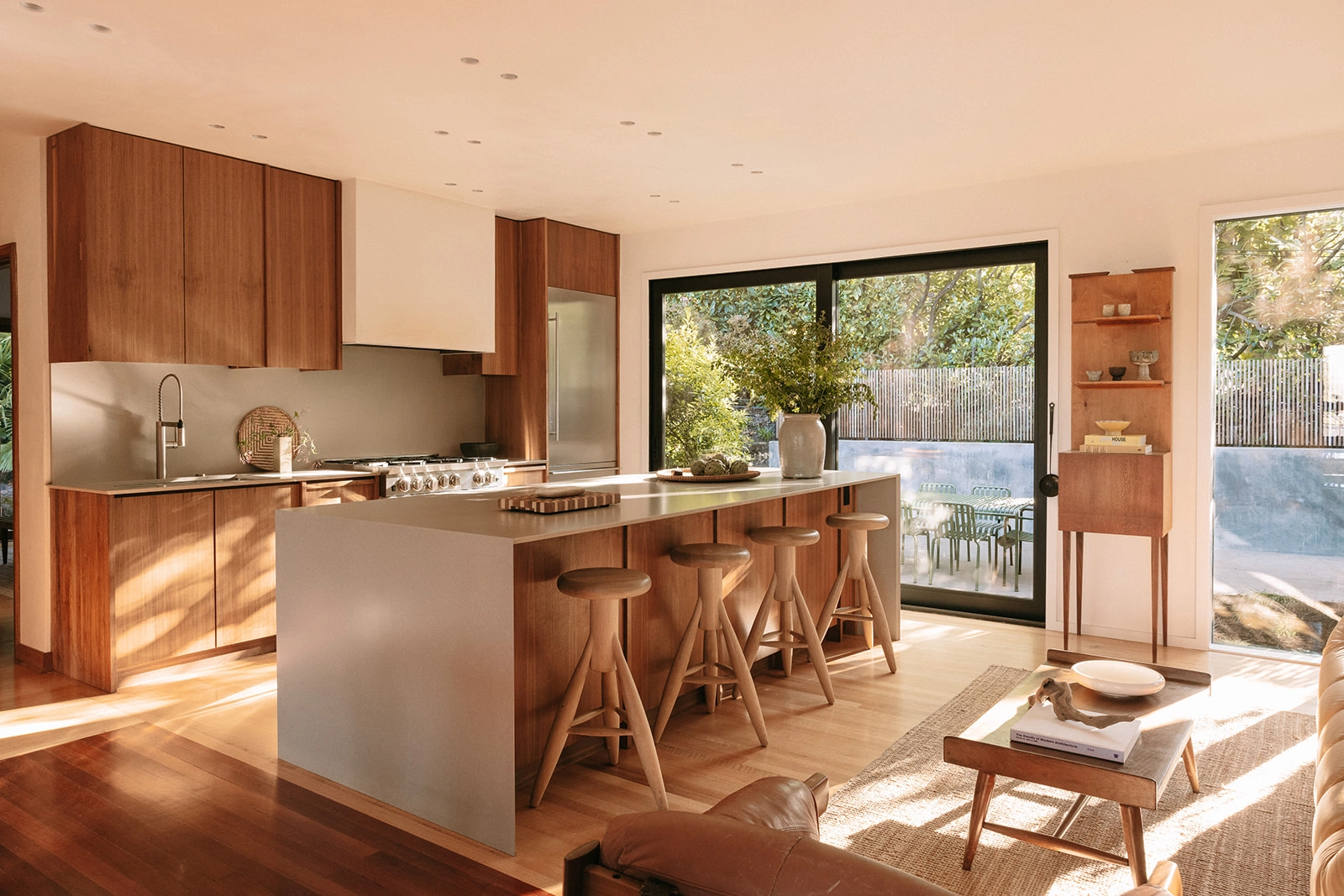
Once the infrastructure was resolved we could focus on what the house wanted to be. We replastered throughout, working with a craftsman who understood what we were after, someone who could respond to the original character rather than just produce smooth walls. That softness and curve are warm and almost disarming. The floor plan was opened carefully. The lower level was transformed from raw basement space into a proper bedroom / office, and workspace with its own entrance and light, so the separation between work and the rest of life is genuine rather than improvised. The kitchen was rebuilt around walnut cabinetry and appliances chosen the way we chose everything else, for how they’d actually perform in daily use. The bathroom followed: white oak cabinetry, Watermark fixtures, Heath tile, electric floor heat, and a deep soaker tub that looks out onto a wall of greenery. Each material held against the same question we asked at the start. Does it belong here, or does it just look good somewhere else?
Q: You’ve described this renovation as designing a retreat. What did that actually mean in practice?
Will: We’d all traveled enough to know what it feels like when a place does something to you immediately, when the architecture lands before you’ve had time to think about it. We wanted that here. Every decision went through the same question: does this make the house feel more like somewhere you’d choose, or less? It’s a simple question and a ruthless one. It cuts a lot of options fast.
That filter sharpened things further. Three people, three careers, three ways of moving through a day. The house had to work for all of it at once, which meant nothing could be left vague or assumed. Specificity in the plan produced specificity in the result. Nothing in it is accidental.
Dana: The plaster and tiles carry Mérida’s feeling of being perpetually indoors and outdoors at once. The white-washed walls, large art pieces, Percival leather chairs, jute, and baskets are all Marfa - that precise balance between Southwestern warmth and contemporary restraint.
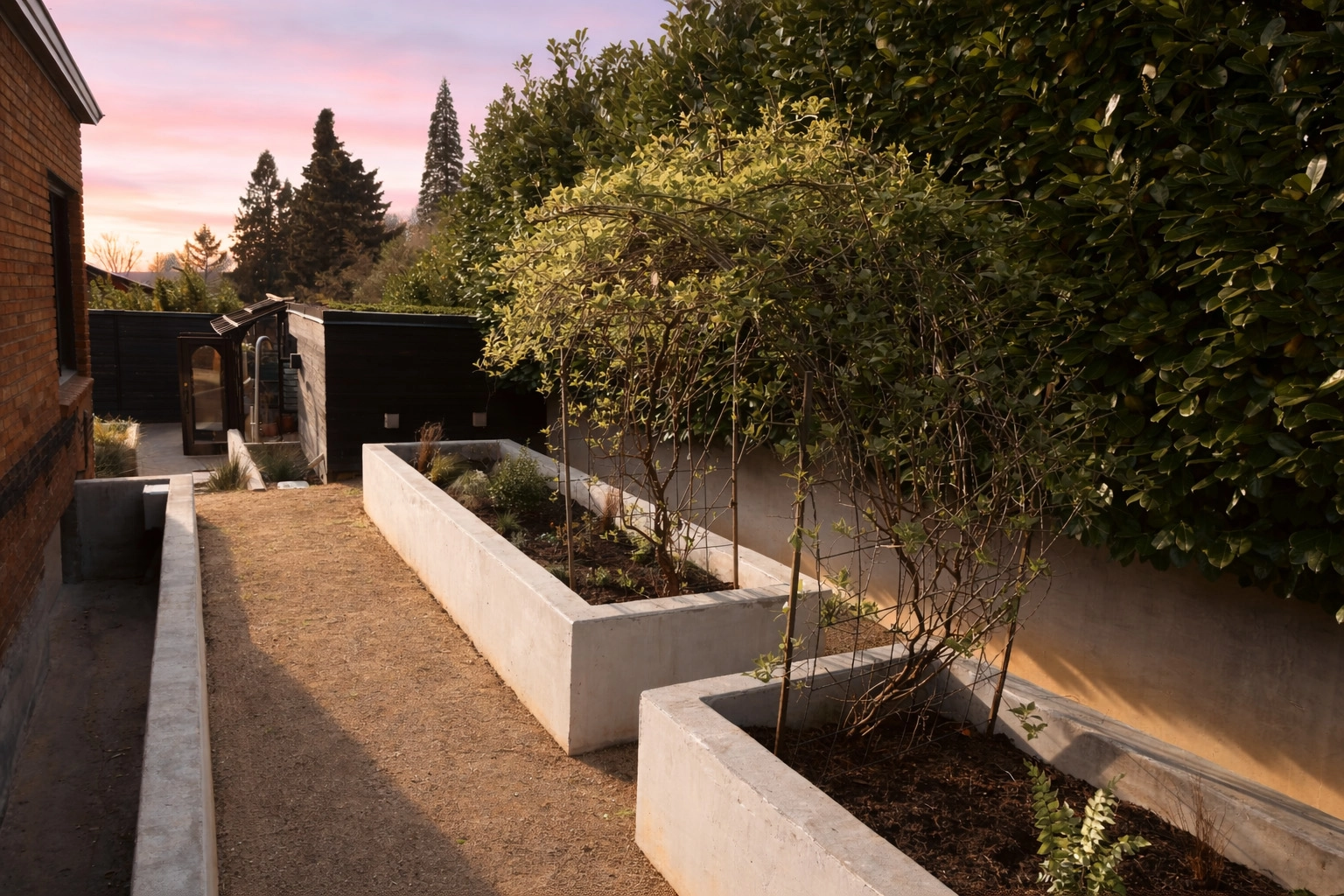
We were especially drawn to Donald Judd’s compound and ended up designing our cement garden beds after the form of his pool.
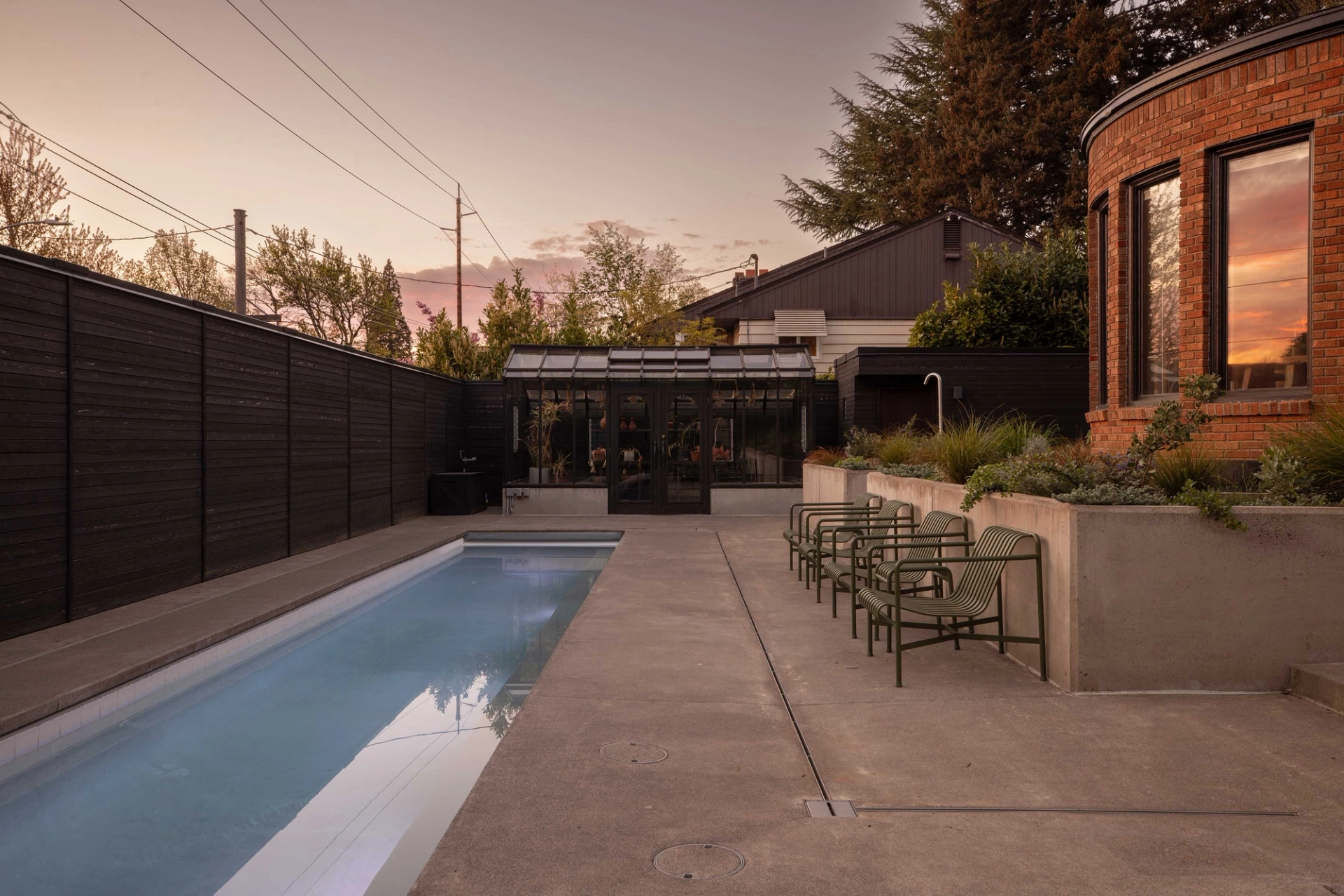
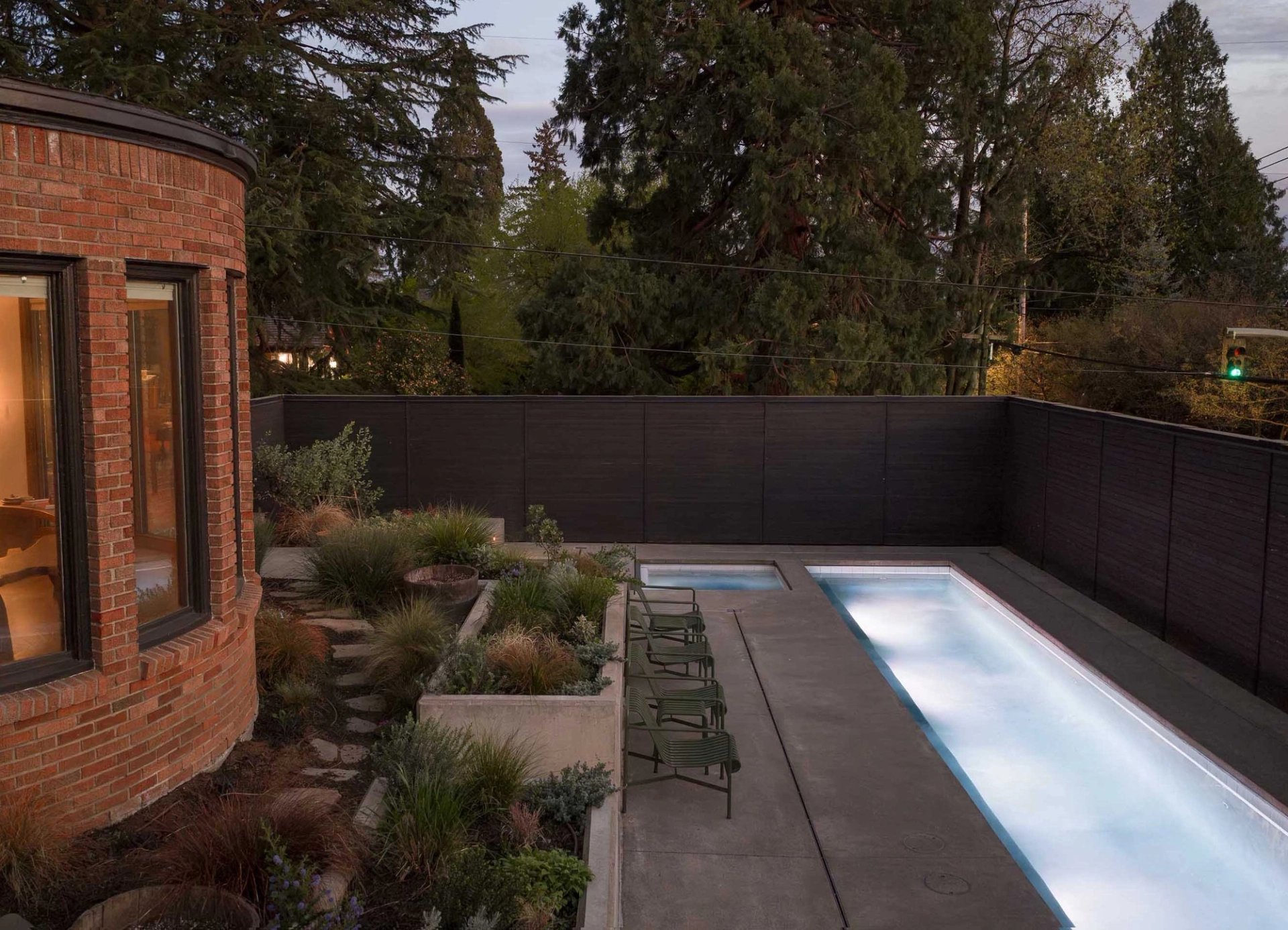
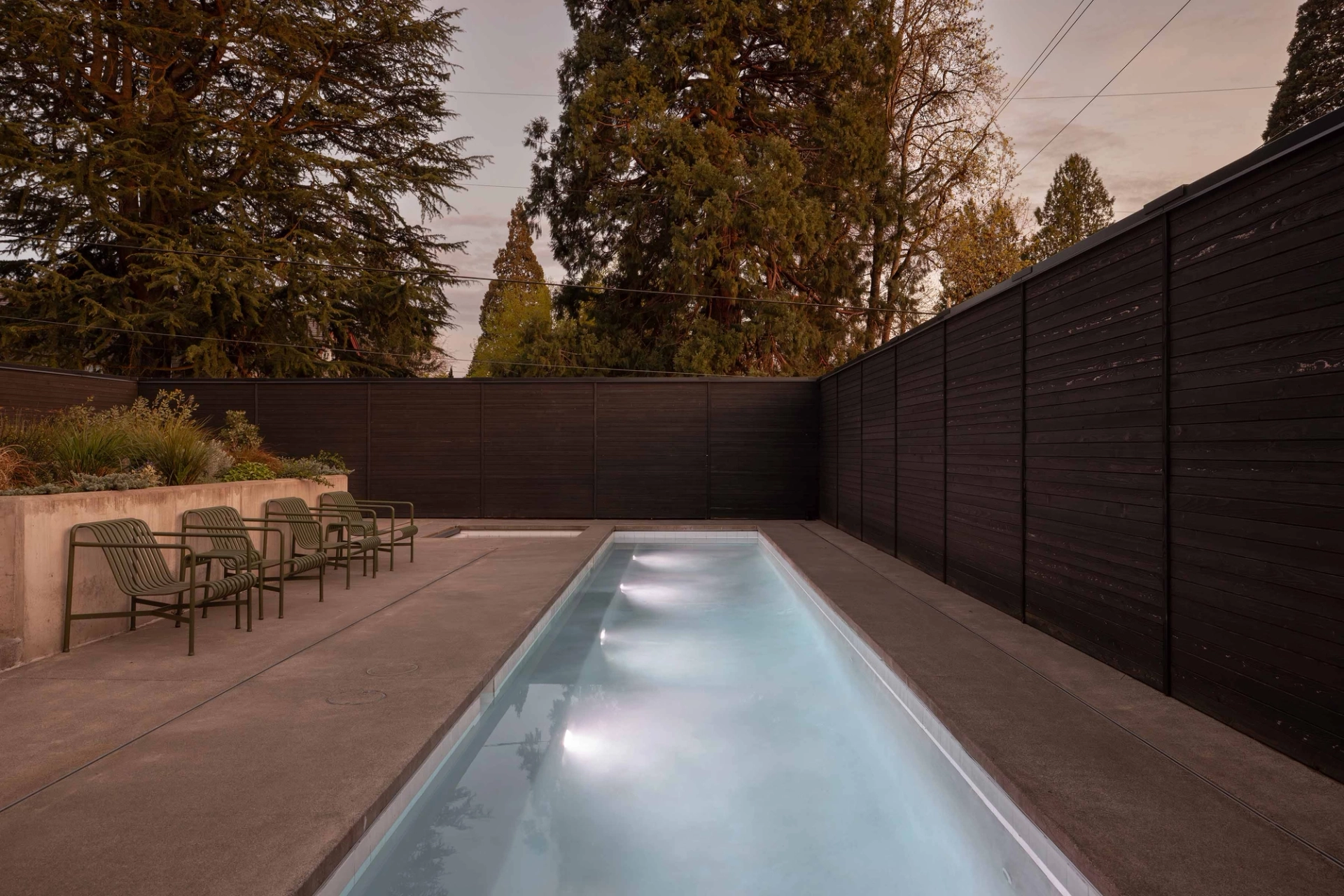
When Covid hit and travel felt suddenly impossible, we built the pool, greenhouse, and additional garden beds as an extension of the house outward. What surprised us was that it wasn’t the pool itself that changed the feeling - it was the presence of water. A body of water balanced something that had been leaning too far toward desert and Mediterranean.
Will: We always knew the yard was part of the house. The pool, the spa, the greenhouse, the garden beds, the pump house all came from a desire to extend the architecture outward and create a place where we could genuinely inhabit four seasons in the Pacific Northwest. A place apart from the city, with nooks for gathering, for reading, for gardening. In a climate where outdoor space gets written off for half the year, we wanted to write nothing off. The pergola, the privacy walls, the heated pool: all of it was designed to keep you outside longer than the weather suggests you should be. By July the yard is the house. You eat out there, work out there, lose track of time out there in a way that feels closer to somewhere in southern Europe than southeast Portland.
What we didn’t anticipate was how the pool would actually alter the feeling of the entire property. Not the amenity of it. On a still morning, with the garden beds full and the light coming in low over the hedge, there is a moment where the yard stops reading as Portland entirely. The original composition had leaned too far toward desert and Mediterranean, and a body of water brought it back into balance. That surprised us. You can design carefully toward something and still be surprised by what resolves it.
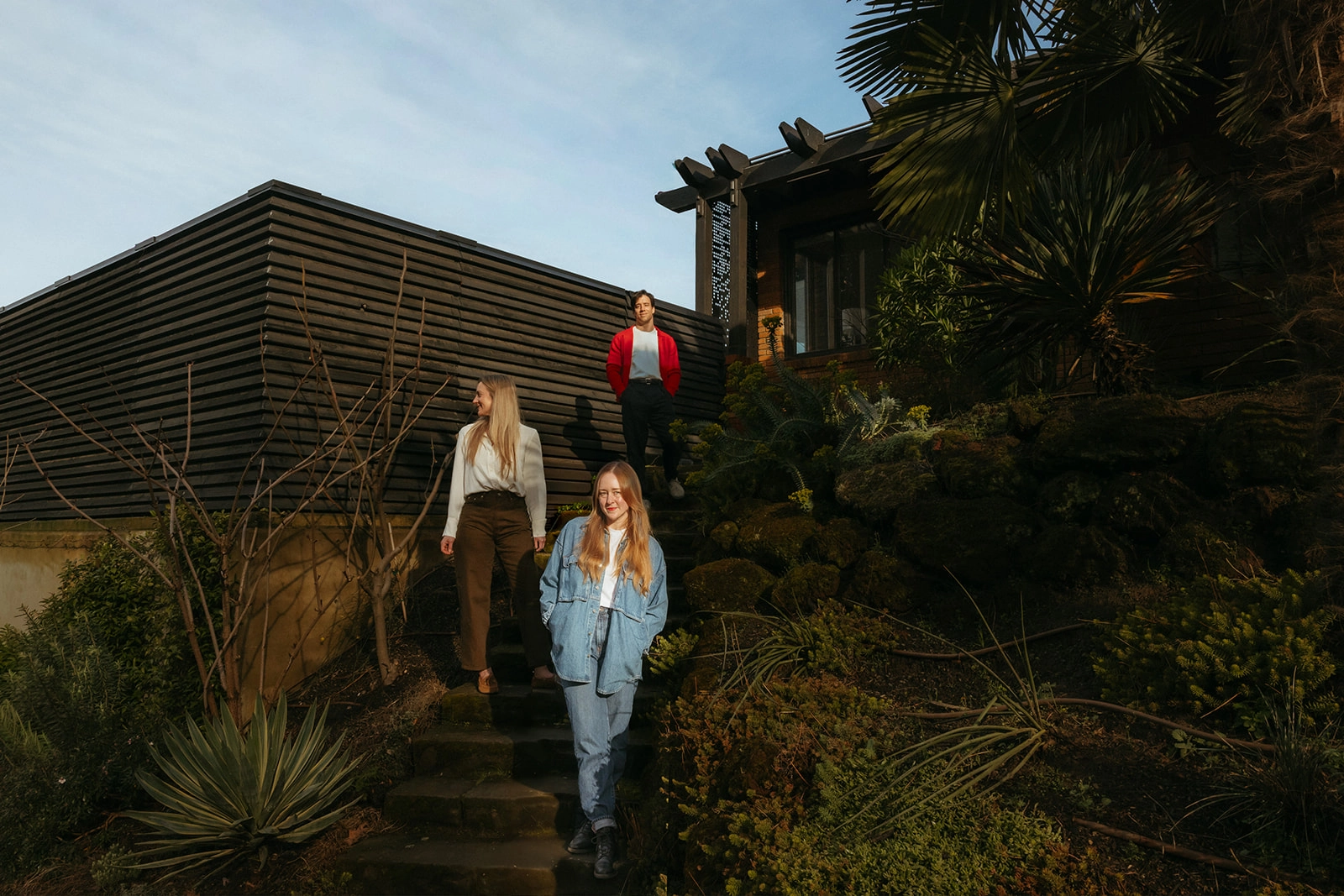
Q: Three people, three careers, a lot of working from home. How does the house actually hold all of that?
Will: We didn’t design around productivity. We designed around restoration. Those are different briefs, and they produce different houses. The lower level took the work question off the table entirely. A dedicated space completely removed from the main floor. Once that was resolved, the rest of the house could be about shared life without friction.
Whitney: I always tease Dana about this—she’s probably the most dynamic part of the house. As the sun moves, she moves. Every few months, or when the seasons shift, she gets intrigued by a new space. Suddenly her desk and papers and books will have migrated somewhere new, and suddenly she can focus again. I’m a therapist, so I tend to watch the human element as much as the environment—and what I notice is that the house mimics the way we travel: sunflooded spaces ideal for reading, nooks that help you get lost in your own thoughts. We move around Dana a little, but the house is honestly set up for exactly that kind of rotation. It changes with the length of day, with damp rain versus early sun. It rarely snows in Portland, but when it does the house transforms again—bright cool light, the fireplace, the plaster walls almost blending with the outside.
Q: The plaster curves and the fireplace are the first things you encounter. How far were you willing to push the original character of the house?
Dana: The house had its own logic before we touched it.
The house had serpentine plaster curves throughout, and when we took most of it back to the studs, the cheaper path would have been to box everything in and start clean. But we knew that would cost the house its most immersive quality—that sense of being inside something that had been shaped rather than built. So we leaned in, most visibly in the living room, where we redesigned the fireplace into a curved sculptural form, turning a brick block into something that felt alive.
Will: Not far enough, at first. Early on we kept pulling back, asking whether the curves were too much or the detailing too specific. We were editing the house’s best quality out of caution, which is a particular kind of mistake because it feels like restraint when it’s actually just hesitation.
The fireplace is where we stopped doing that. The straightforward option was right there, cleaner, simpler, easier to defend. We walked away from it and rebuilt the fireplace as a sculptural curved form instead, something that felt shaped rather than constructed. It’s the first thing people respond to when they walk in, almost without exception. But more than that, it’s where the house became itself. Trusting that one decision made the rest of the work clearer. Once we stopped questioning it and started deepening it, everything resolved faster and better than it had before. That’s probably the thing this renovation taught us that we’ll carry into every project going forward.
Q: You’re leaving Portland for Paris. What does a house like this leave you with?
Whitney: I’d never lived somewhere where space felt like distinct environments—not just rooms, but different states of mind. With three people under one roof, that distinction mattered more than I expected. It lends itself to movement, to small areas where you do certain things, become a certain version of yourself. I think we’re all hoping we can find something like that in Paris—that same flood of light, but with French doors, coffee on a small balcony, somewhere to retreat and focus. The needs are clear now in a way they weren’t before we lived here. That feels like what the house actually gave us.
Will: What we’ll miss is specific to this place. The pool, the greenhouse, Northwest mornings and golden hour in the garden, the light in the round room before the day gets going. Those were gifts of this house and this location. They don’t travel. What does travel is the standard you’ve set and the confidence that you can build it again wherever you go.
Dana: A home should feel like somewhere you’d choose to arrive. We knew it from the first time we saw the listing photograph while traveling in Amsterdam, and seven years later, the house makes that case every day.
We would like to thank Dana, Will and Whitney for helping us tell the story of their property so eloquently.
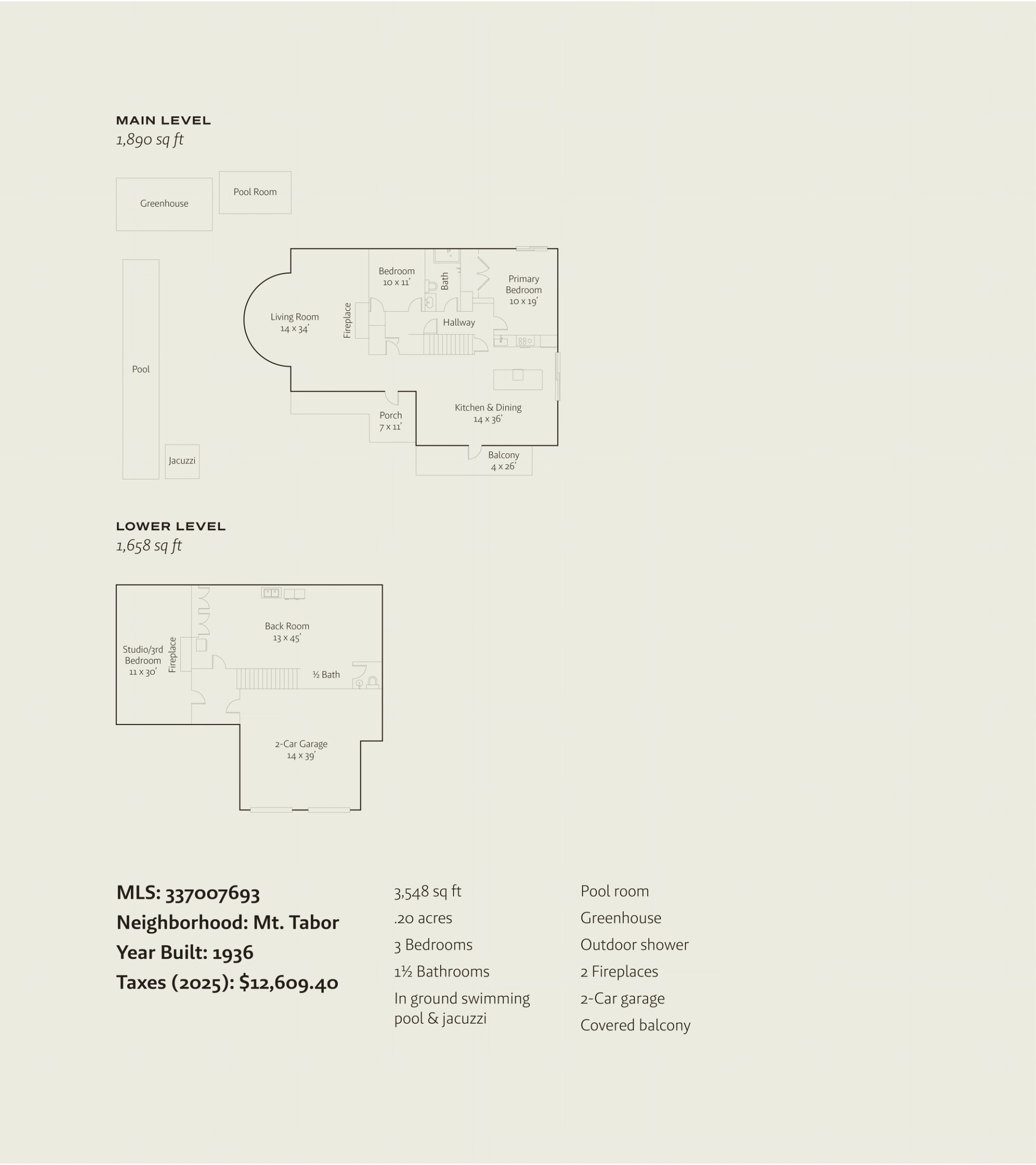
Built in
1936
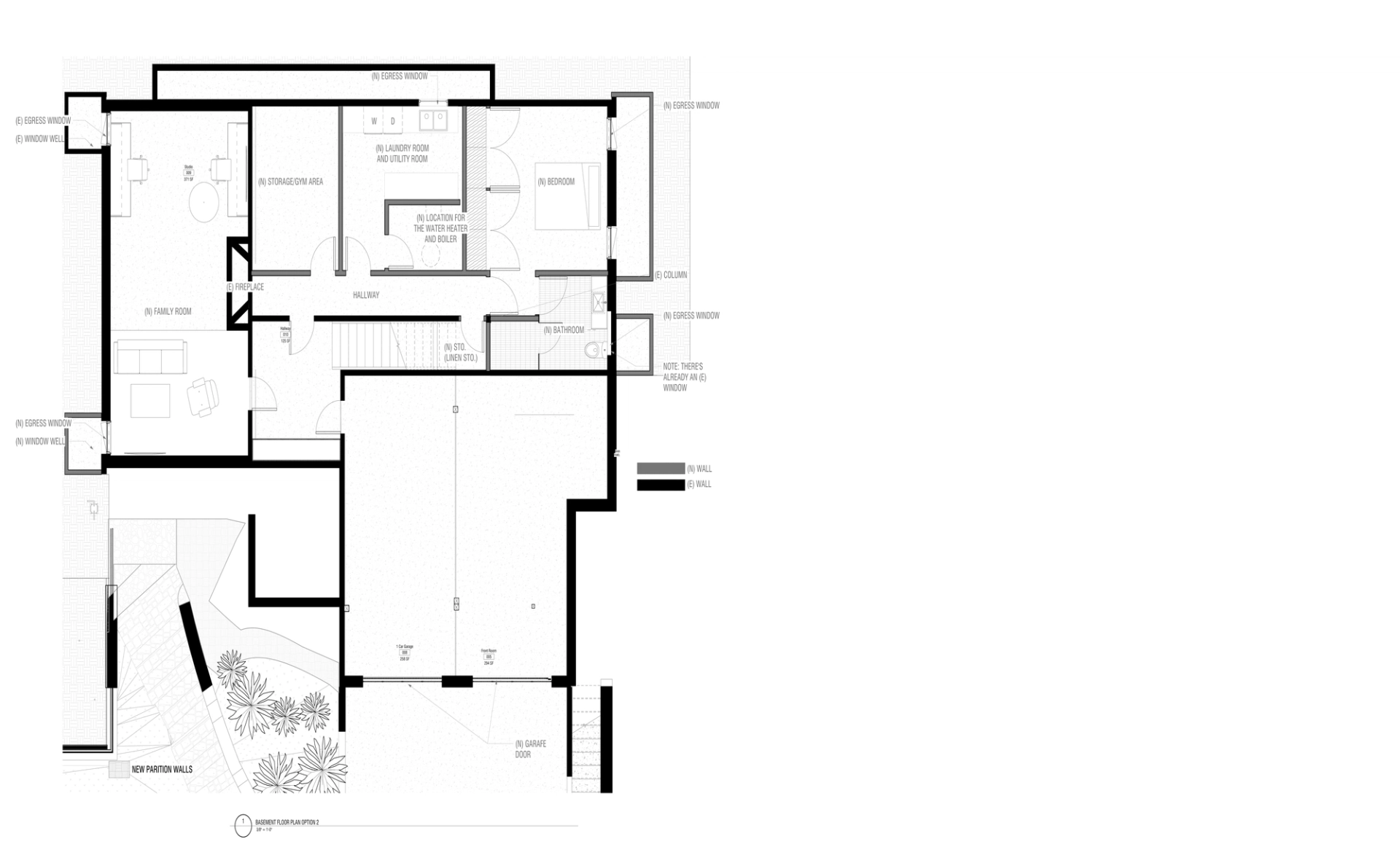
The lower level, reimagined for what’s next
Aforma Design Studio has developed plans to reimagine the basement for its next chapter, offering a clear and considered path to expanding the home’s livable space. Founded by Will Pritikin and Sean Green, the Portland-based firm is known for its thoughtful, buildable approach—bringing together design clarity and construction expertise to shape spaces that feel refined and built for everyday living.
More from the studio
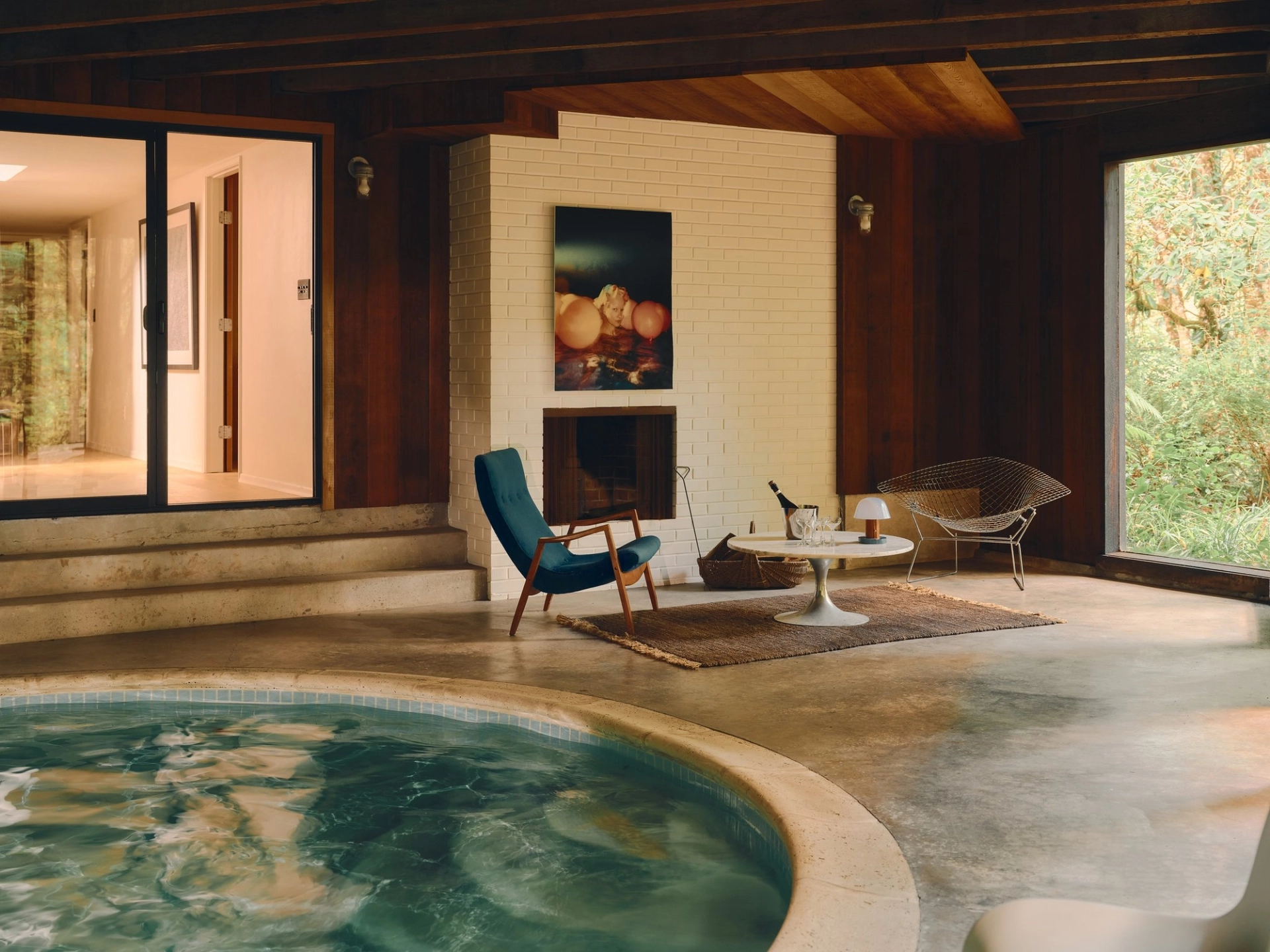
A private world of wood, glass & water
3062 SW Fairmount Blvd, Portland
Built in 1966 for a local Forest Service pioneer, this Thomas Vadnais-designed Pacific Northwest Contemporary home takes its cues from the landscape around it. Two-thirds of an acre of forest and trails surrounds the property, with light filtering through the tree canopy and into the home through expansive windows and sliding glass doors. A striking glass-enclosed indoor pool continues that connection, looking directly out to the woods.
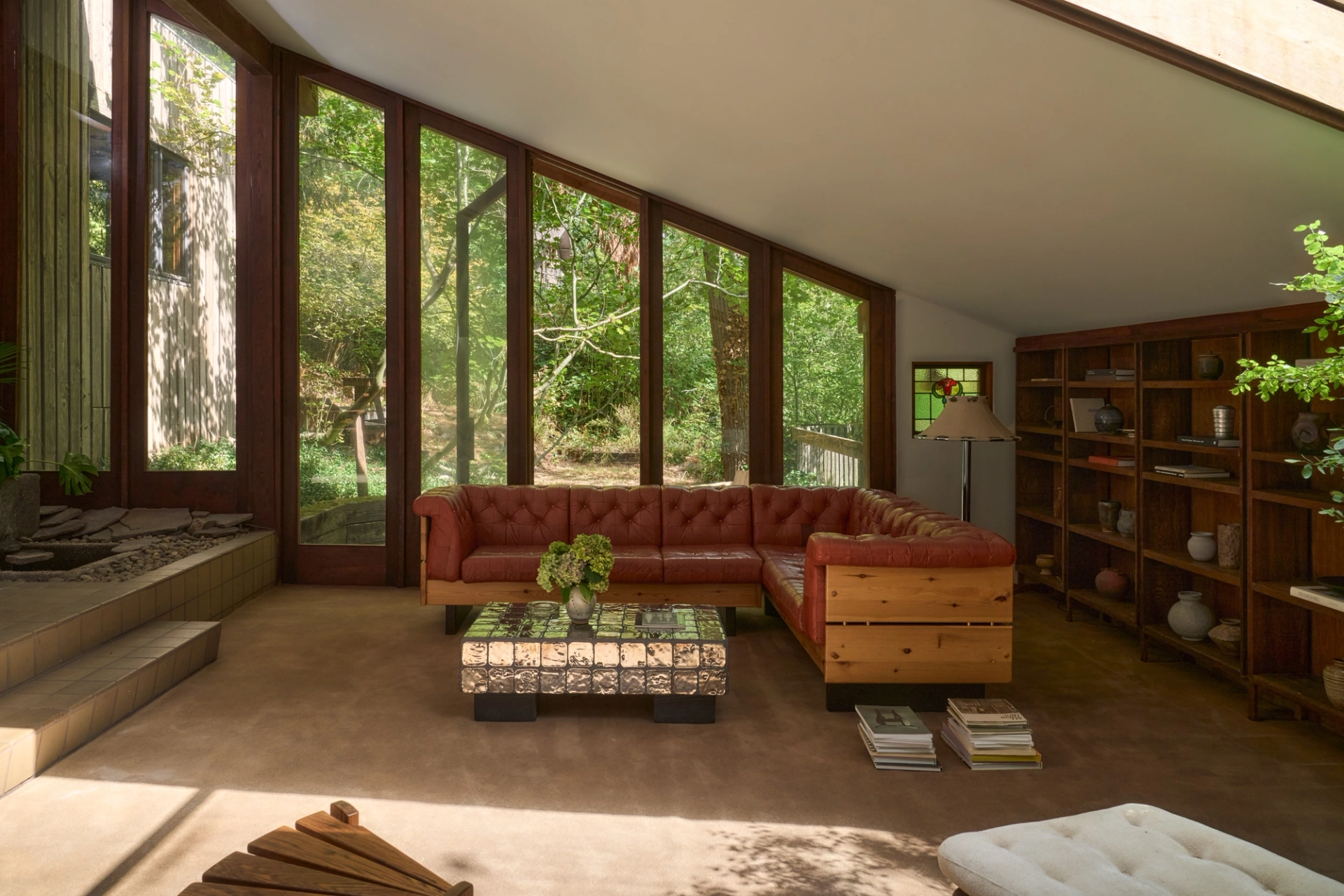
The ghost of a way station with a ’70s plot twist.
3210 SW Malcolm Ct, Portland
Set on .71 acres just off Canyon Road, 3210 SW Malcolm Court has a history that may reach well beyond its recorded build date. According to longtime owner and architect Richard “Rick” Carlson, the site is thought to have housed the way station for overnight travelers between Portland and Hillsboro along the historic Canyon Road corridor.
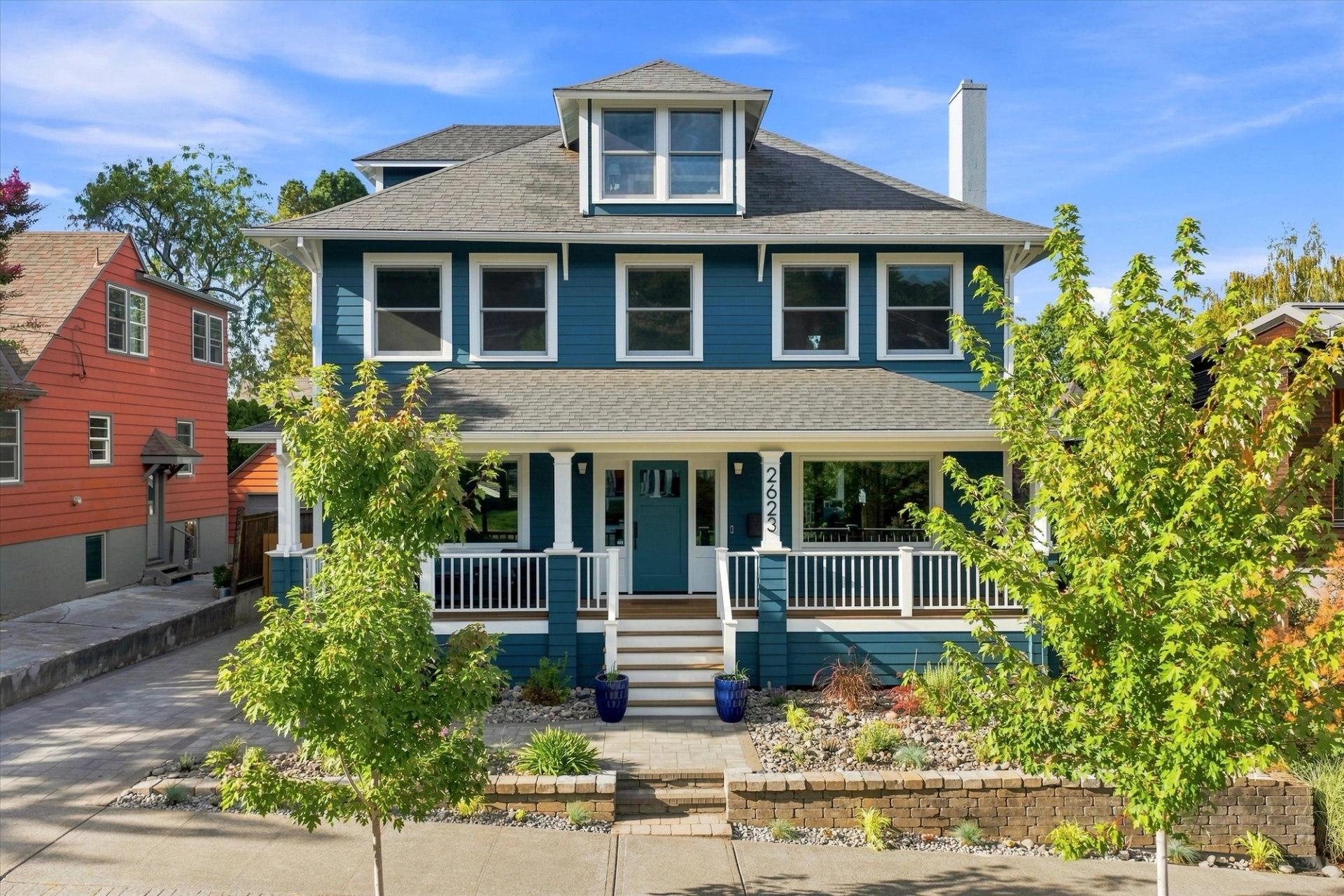
A modern reinvention of a Portland classic
2623 NW Overton St, Portland
This classic Craftsman four-square in the Alphabet District was transformed from studs out, restoring its historic character while creating a decidedly contemporary interior. Generous rooms, high ceilings, custom cabinetry, beautifully considered built-ins, a spa-like bath and seamless indoor-outdoor living complete this remarkable reinvention.
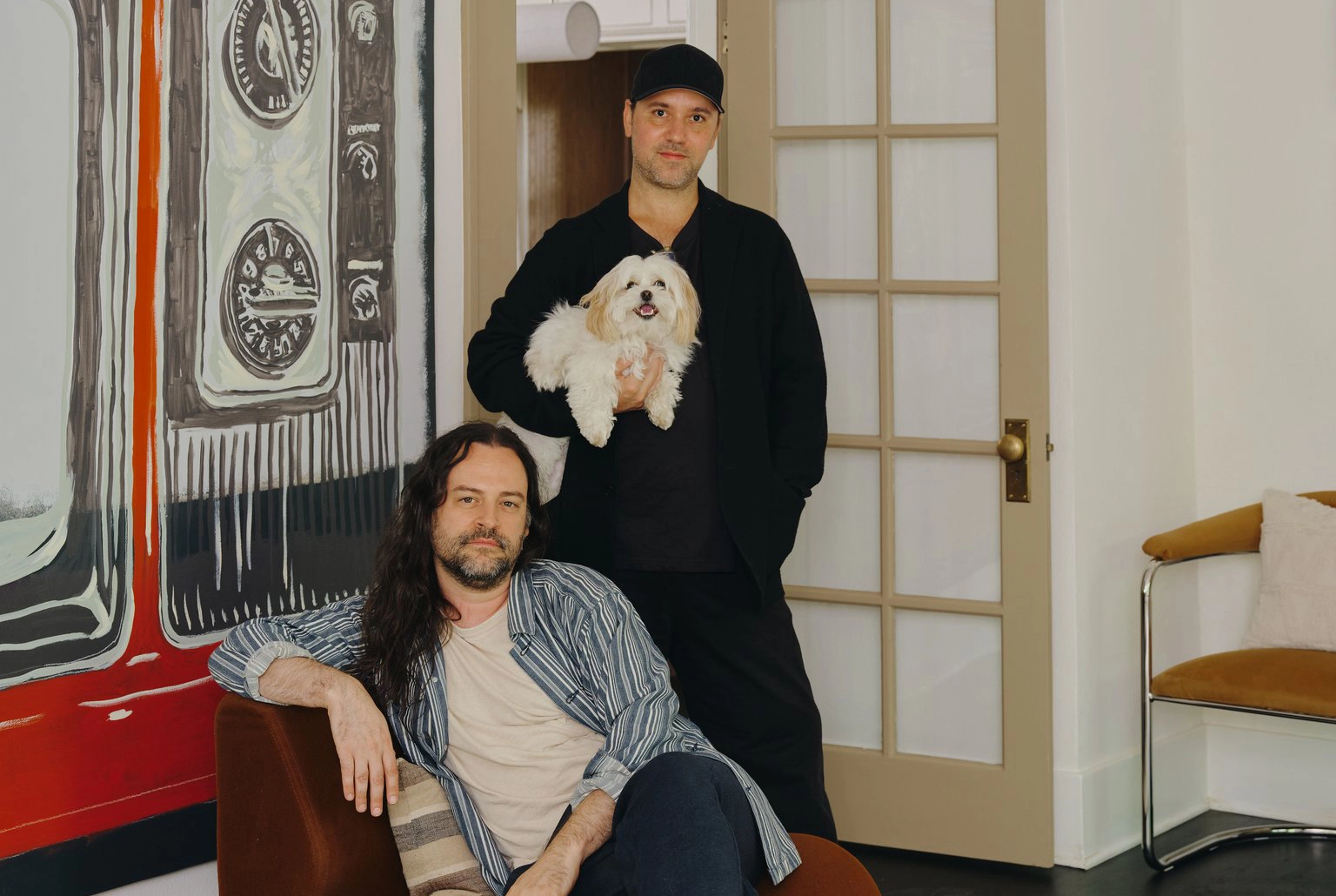
Confidence and a sharp eye for eclectic design lead to a masterful transformation
7929 N Dana Ave, Portland
Built in 1900, this expansive home tells its story in layers: original Craftsman character, British Arts & Crafts and Japanese influences, 1970s optimism and a fabulously contemporary point of view. Three porches open to an L-shaped garden, bringing a Sonoma-like vibe and an easy connection between indoors and out.
The house(s) that Whitney built
5614 NE Simpson St, Portland
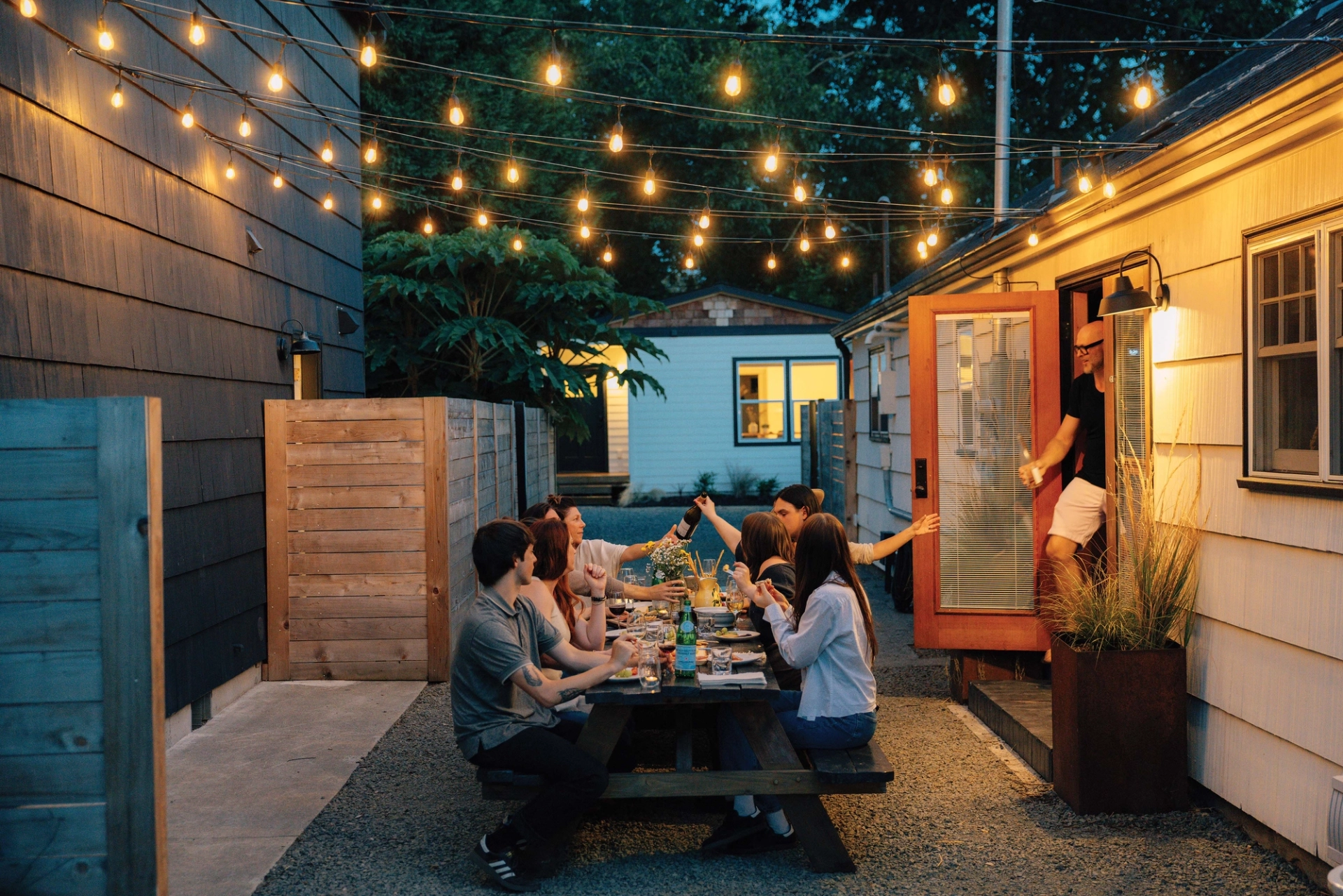
Some homes are designed for a single household. Others are designed for a way of life. Thoughtfully developed over more than a decade, this one-of-a-kind Cully compound brings together three distinct homes, each with its own character and private yard, offering a rare opportunity for multi-generational living, chosen family, or friends to live both independently and together. Centered around a shared courtyard, it reflects the simple idea that home can offer both connection and privacy.
A garden estate in Portland Heights
2670 SW Montgomery Dr, Portland
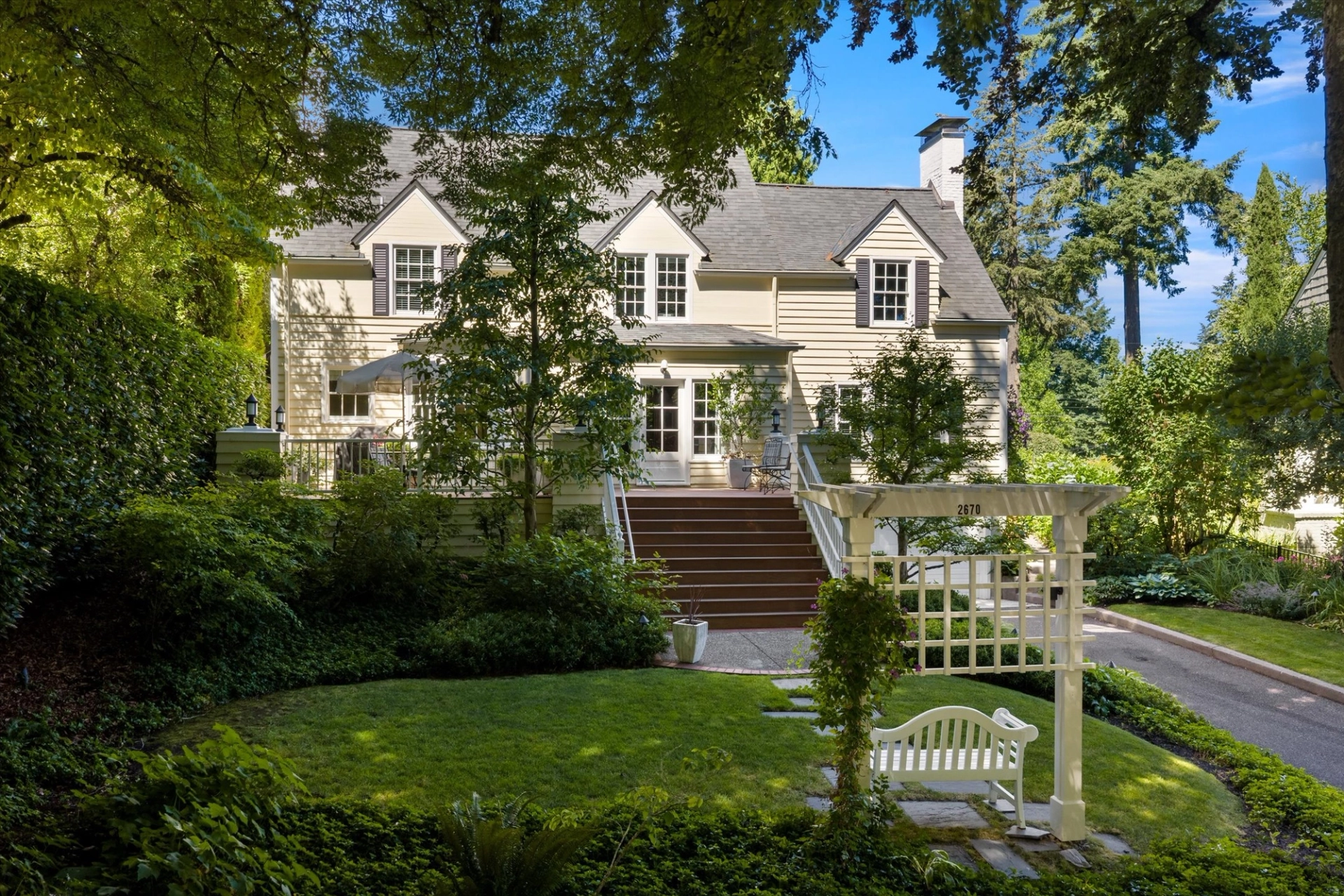
In Portland Heights, where winding streets, mature trees, and historic homes have defined one of Portland's most cherished neighborhoods for generations, this 1930s home offers a timeless backdrop for everyday life.
Unexpected magic in the heart of McKenzie Bridge
57255 North Bank Rd, McKenzie Bridge
Shaped over time by those who have lived, built, and passed through, it carries a quiet sense of history, from its original maker to stories embedded in the land itself. Emerging unexpectedly from the forest, a Mediterranean home, an idyllic swimming pool and hot tub, a magical barn, and additional structures sit intentionally within an open clearing, offering a rare foundation for something more expansive. Here, days are guided by river, trail, and season, with a way of life rooted just beyond the front door. What emerges is not simply a home, but a place meant to be experienced, returned to, and carried forward.
An engineer’s dream home, reshaped with care for his longtime love
3119 SW Gale Ave, Portland
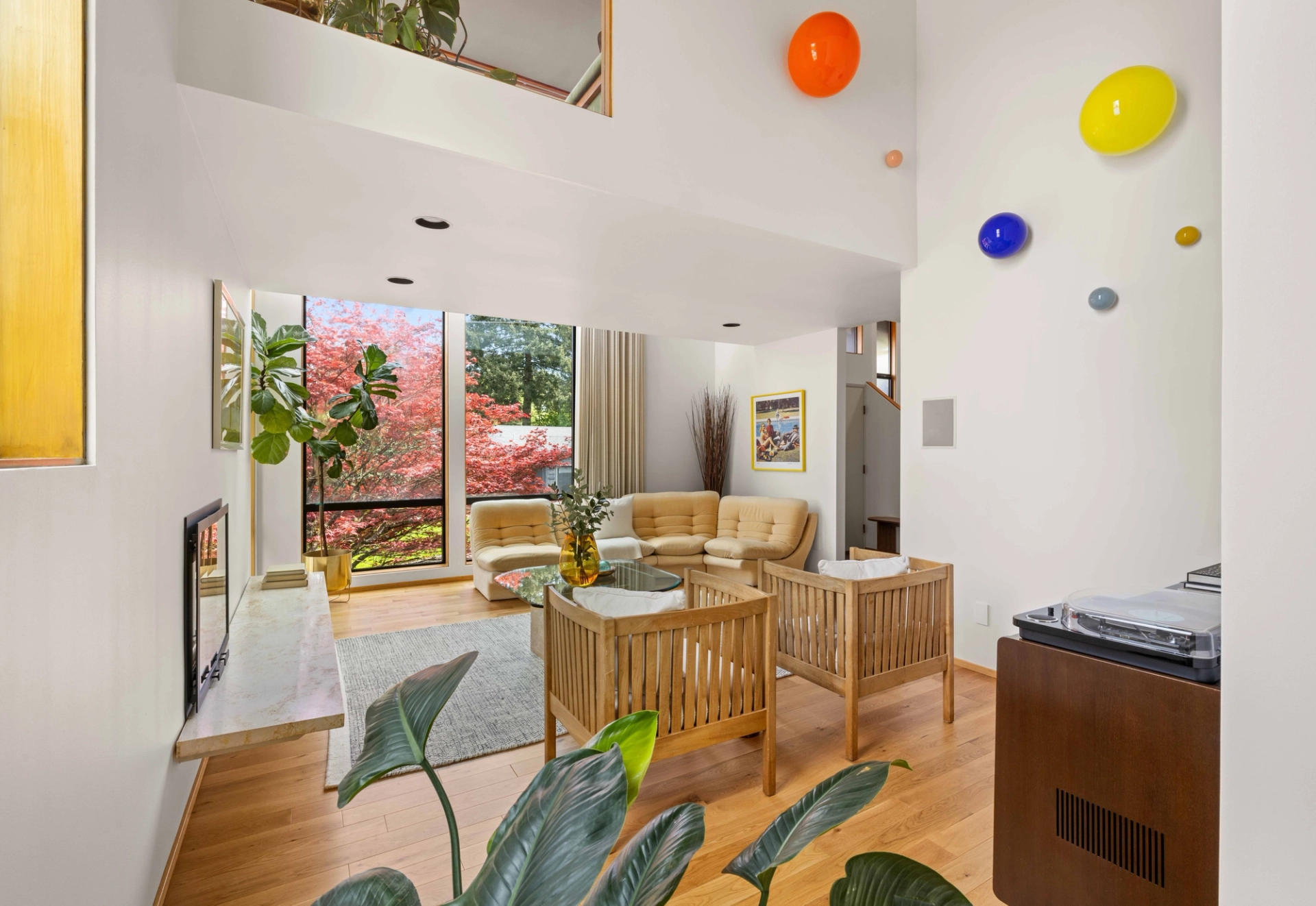
Designed by the architectural team of York and Yodgawa and originally built for H. Chik M. Erzurumlu, a structural engineer and longtime Portland State professor, this home reflects a clear understanding of how space, light, and structure come together over time. When his wife fell ill, an elevator was added to connect each floor and the garage, allowing them to remain in the home they had created together.
A private, dramatic midcentury in coveted Montclair
7175 SW Dogwood Pl, Portland
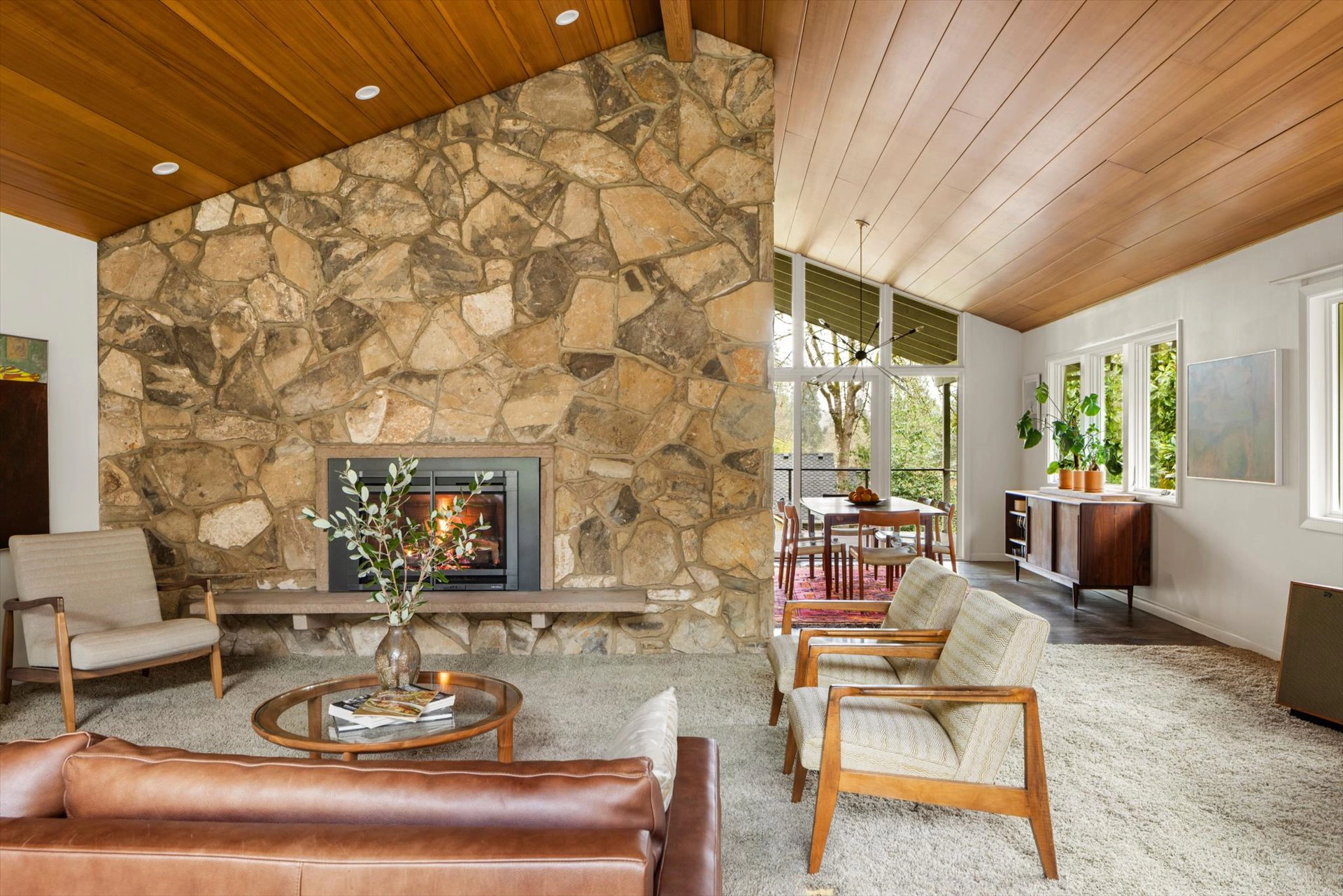
On a quiet cul-de-sac in Montclair, where the streets curve gently and the trees have had decades to grow, this midcentury home, thoughtfully updated for today, sits on a rare .81-acre corner lot, framed by maples, magnolias, cedars, and firs that create a natural sense of privacy and beauty.
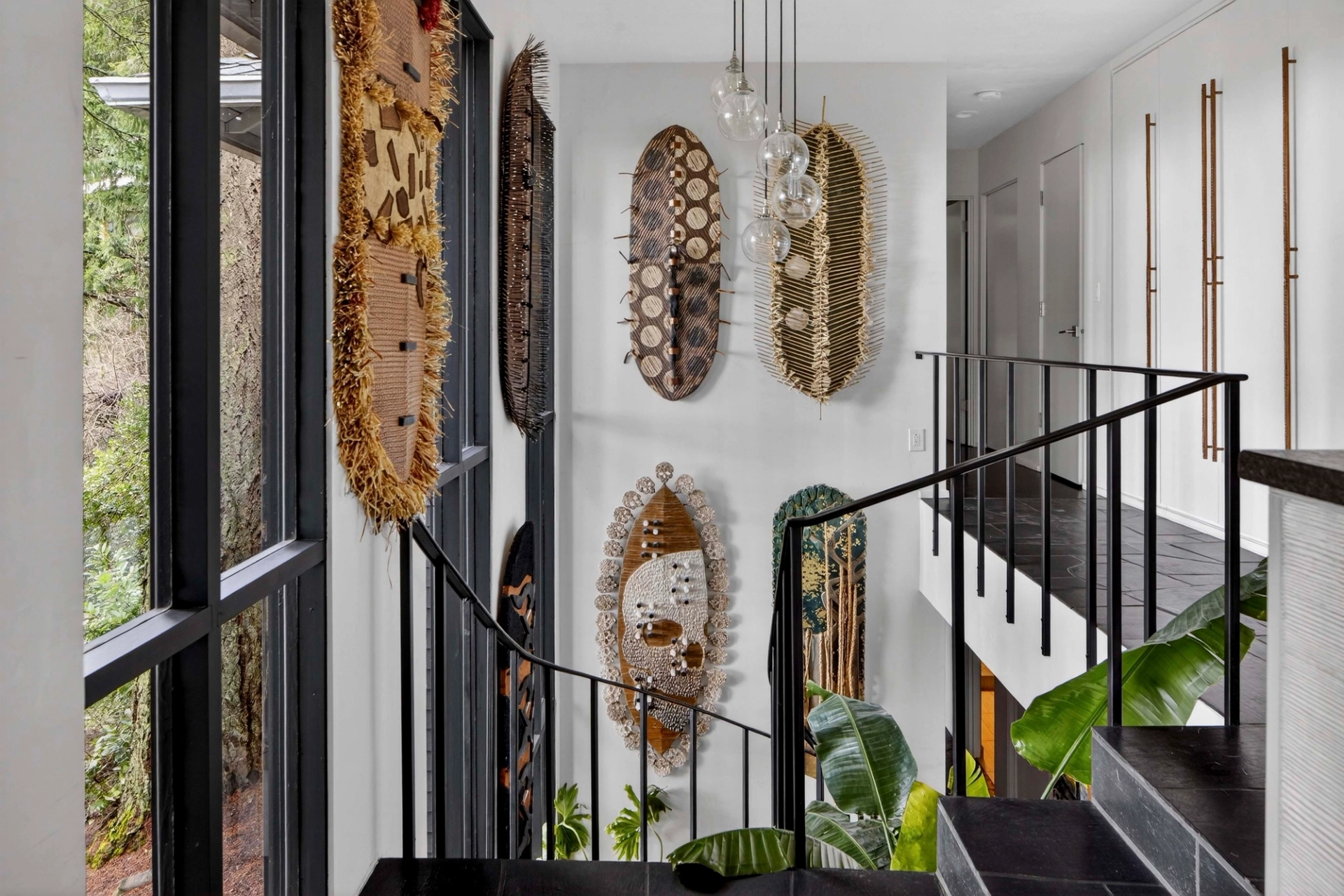
Staircase in the canopy: a Council Crest contemporary
3340 SW Fairmount Blvd, Portland
Rising from the trees along Fairmount Boulevard, this Council Crest contemporary pairs sweeping valley and Coast Range views with midcentury style and a strong connection to nature. Light-filled living, dining, and kitchen spaces open to a wraparound deck among the trees, while a feature fireplace anchors the living room.
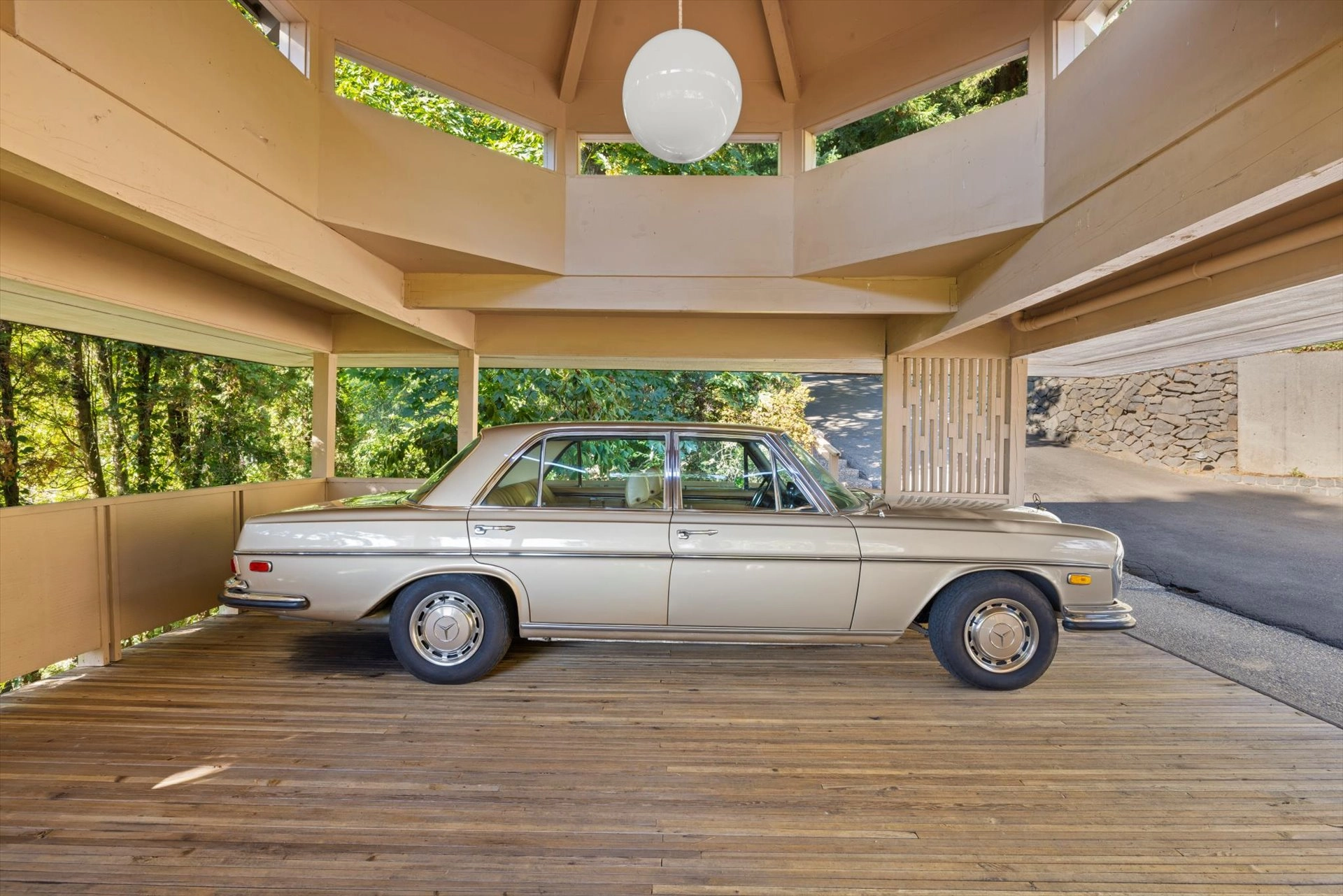
The Carousel House at Council Crest
3332 SW Fairmount Ln, Portland
Built in 1969 by architect Marjorie Wintermute with landscape design by Barbara Fealy, the Carousel House pairs bold modern lines with warmth and livability, its clerestory ceilings and glass walls filling the home with light, nature, and timeless character.
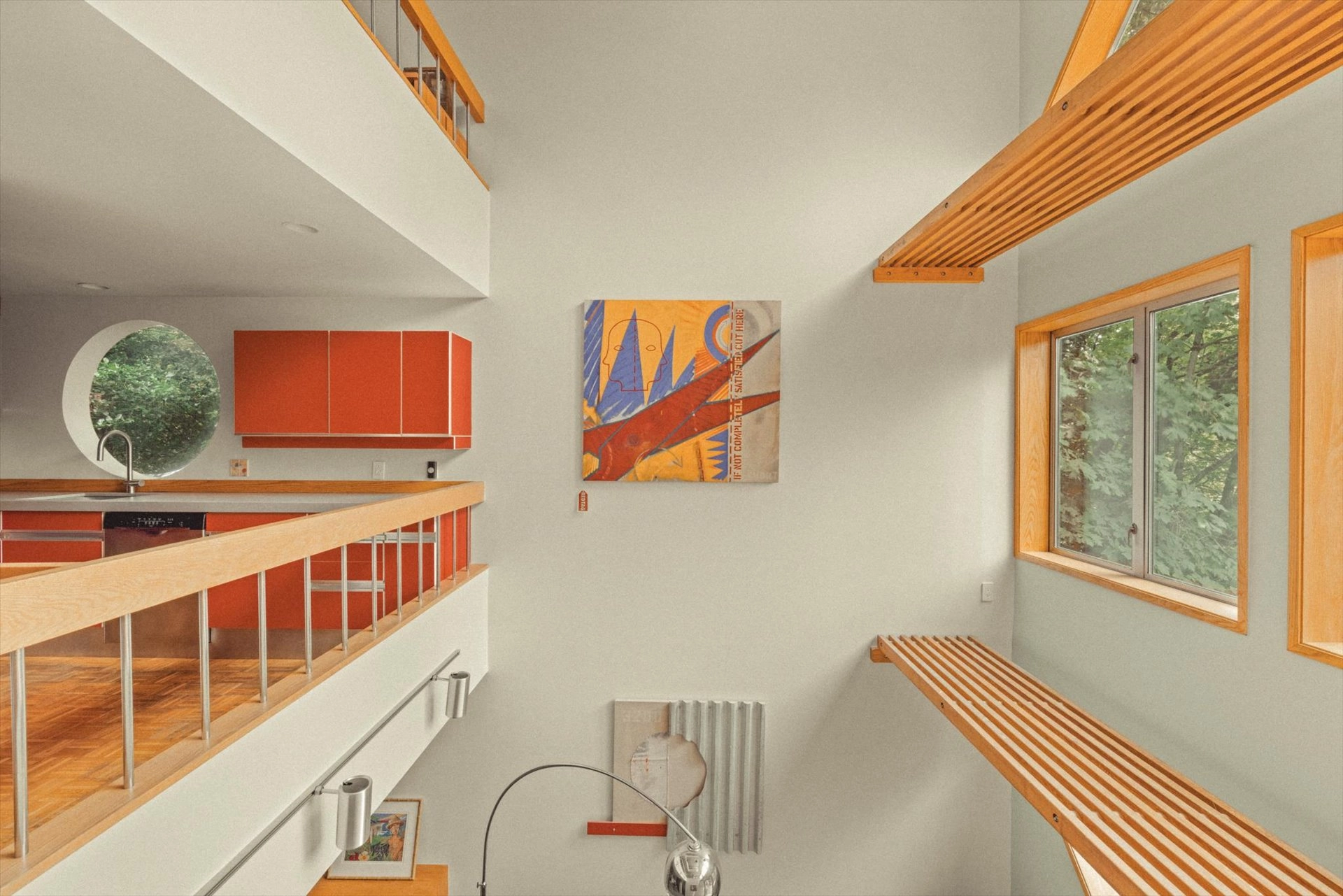
The Camera House at Council Crest
3200 SW Fairmount Blvd, Portland
Nestled in Portland’s Council Crest, this 1976 NW Contemporary by architect Willard Martin lives large within its 1,762 sq ft. Featured on the cover of Sunset, the three-level steel-clad cube blends treetop views, flexible living spaces, and spa-like comforts—an iconic design that marries architecture, art, and nature.
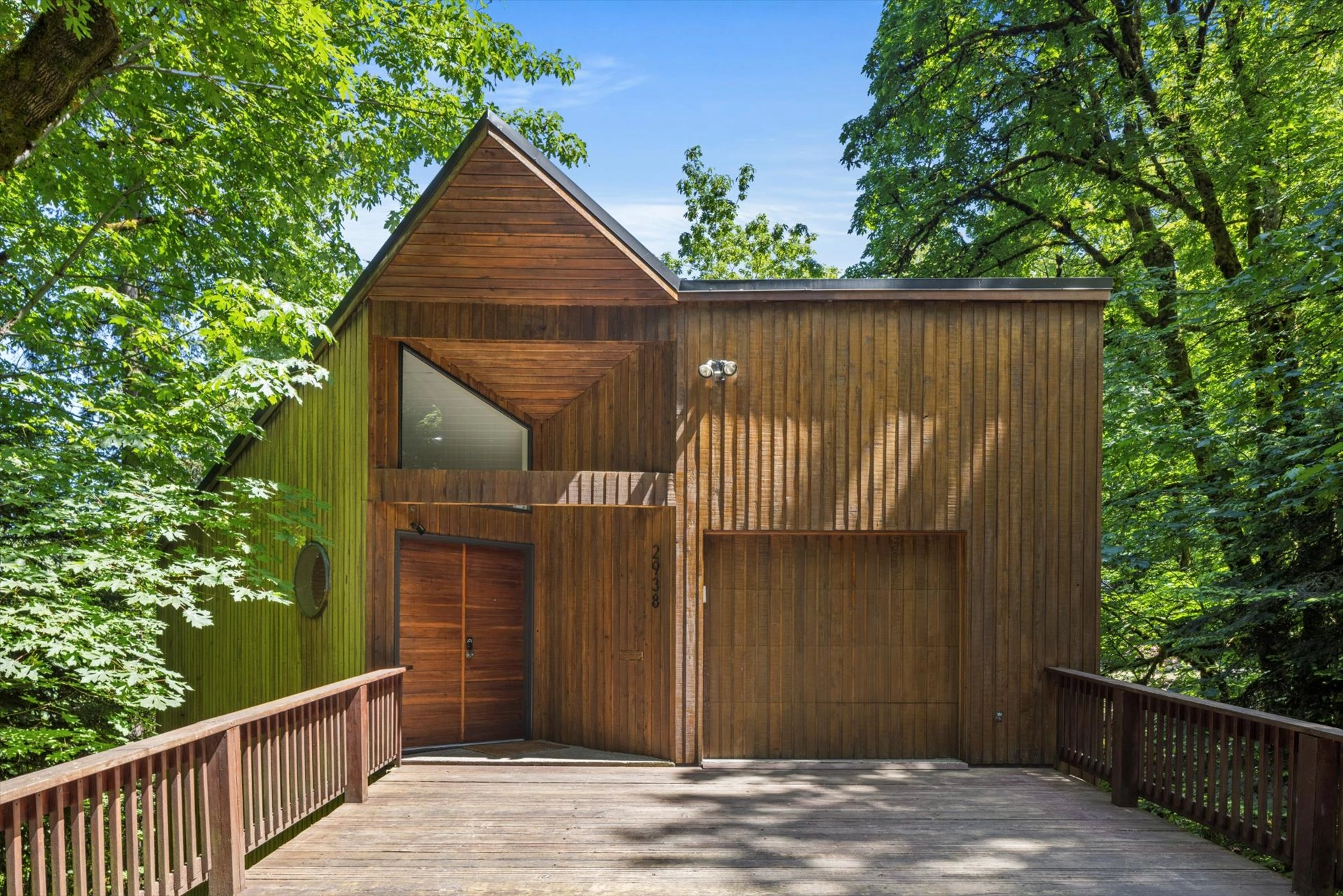
Amid the canopy: A 1979 Northwest modern retreat
2938 SW Fairmount Blvd, Portland
This 1979 James G. Tropfenbaum-designed home in Portland’s Southwest Hills blends modern simplicity with nature. Set on a wooded quarter-acre, its three bedrooms, warm materials, and expansive glass create a light-filled, treehouse-like retreat.
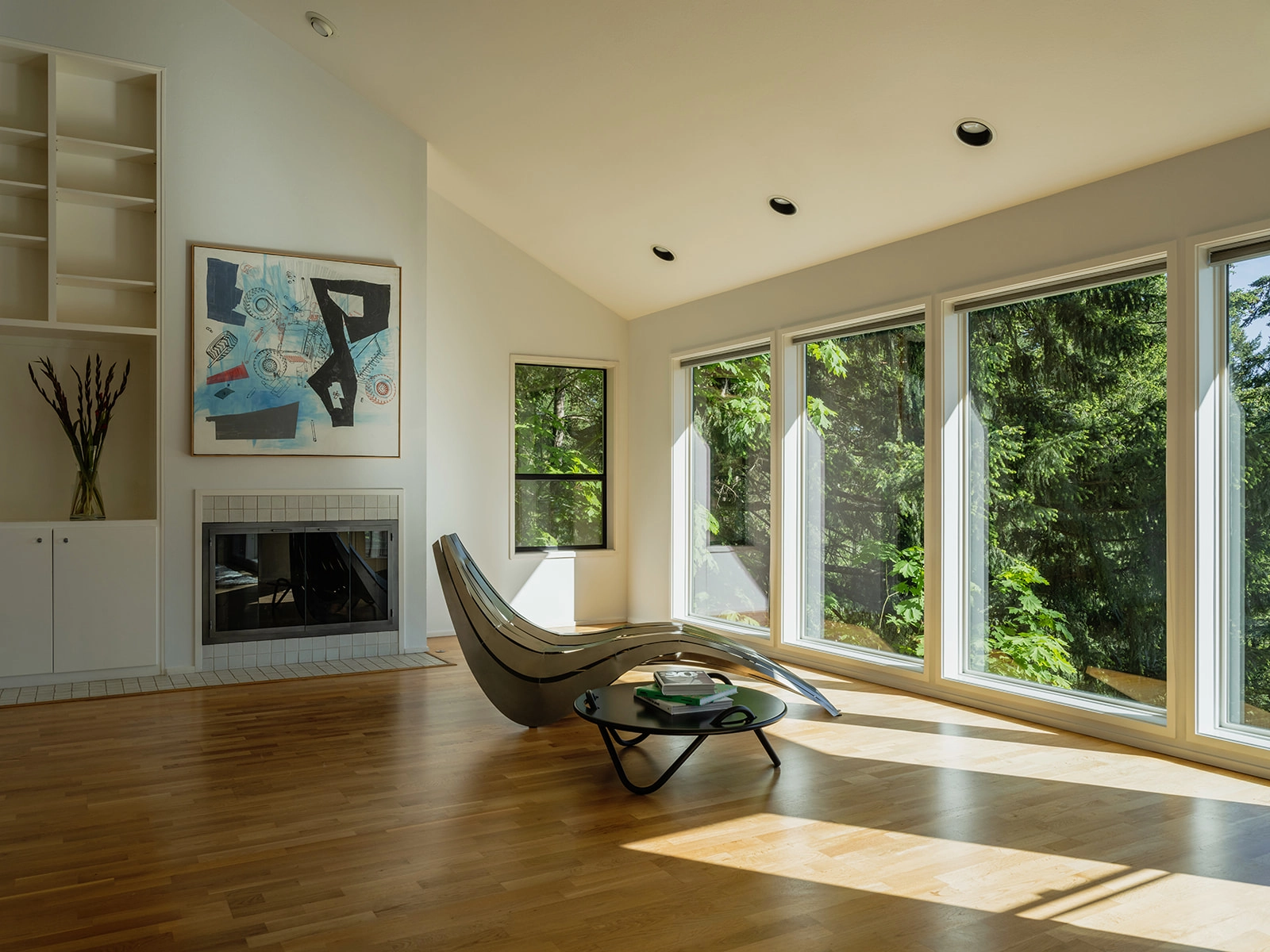
Architecture in balance: living at the edge of design and nature
3342 SW Fairmount Blvd, Portland
Perched in coveted Council Crest, this 1989 custom home by Blum/Smith Construction is a masterwork of engineering and design. Anchored to bedrock by 21 steel piers, it seems to float among the trees, with vaulted ceilings, open spaces, and sweeping southern views. The 3,146 sq ft layout offers three bedrooms, two and a half baths, and a well-appointed kitchen—all filled with light and framed by nature.
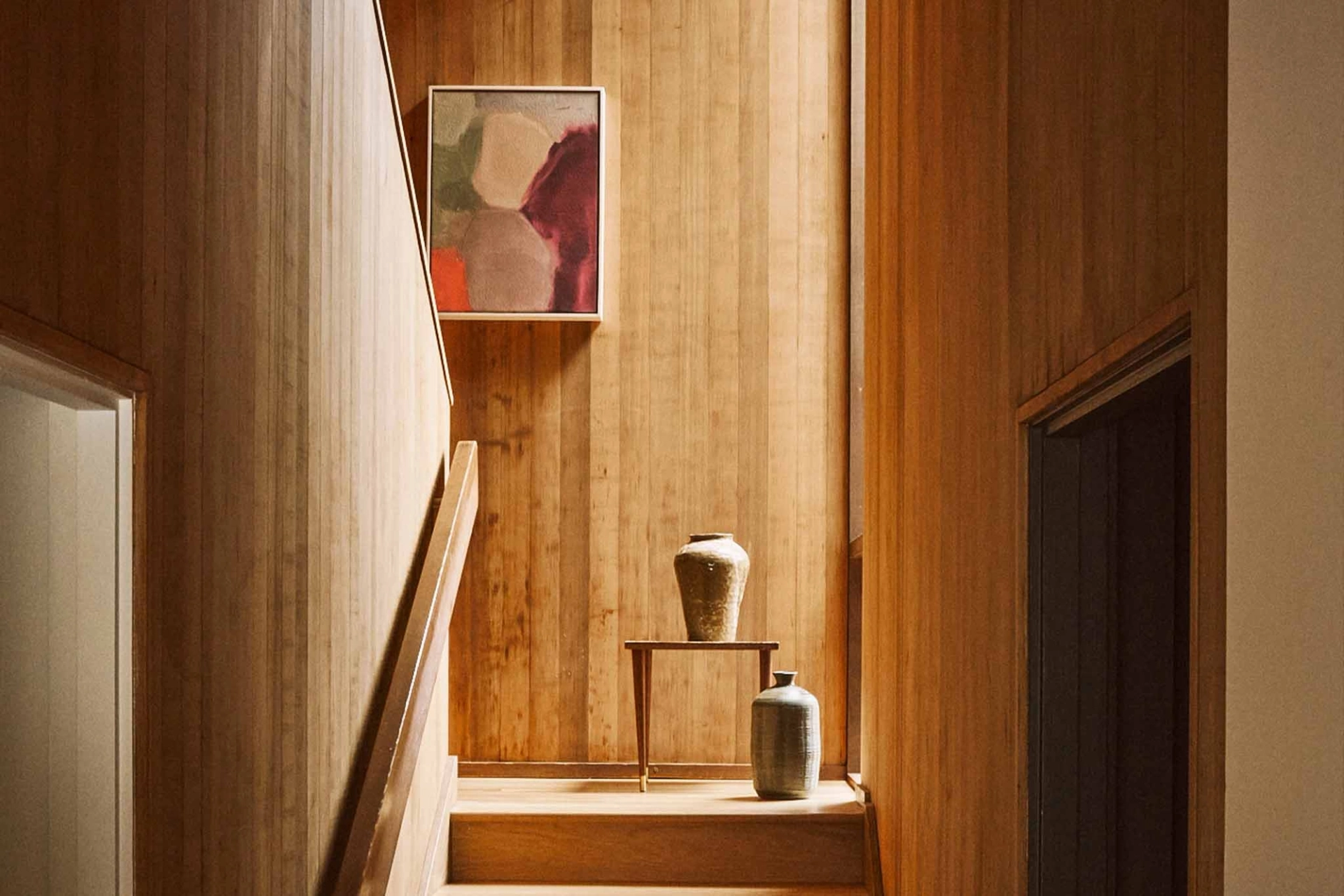
A northwest modern icon, rooted in landscape and legacy
2748 SW Talbot Rd, Portland
Designed in 1968 by architect James Miller as his family home, this Northwest Modern residence is a striking response to a wooded ravine site. Featured in Northwest Magazine in 1969, its split-level design and natural materials embody the quiet innovation of Pacific Northwest modernism.
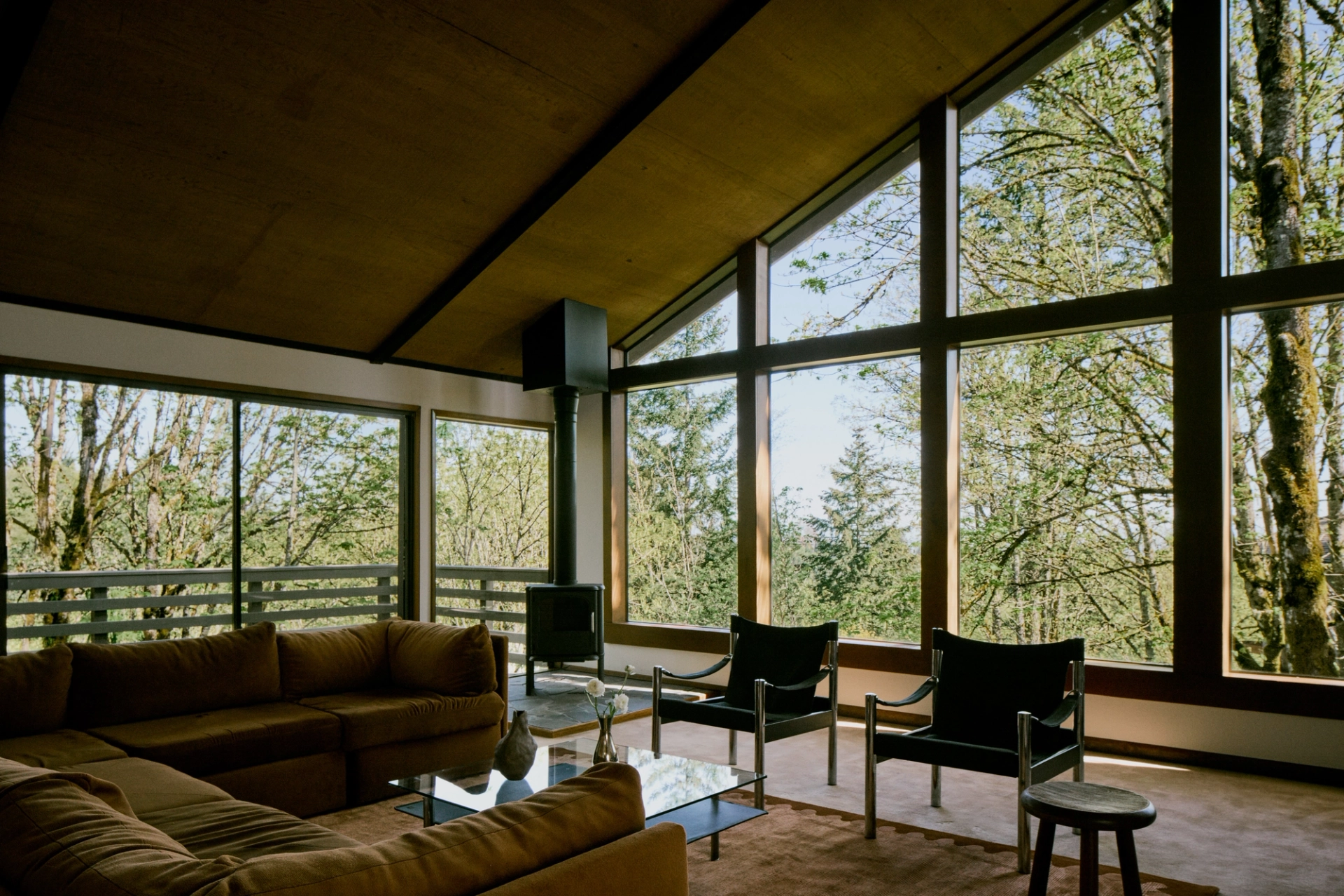
1970s statement piece with a cinematic spirit
3103 SW Gale Ave, Portland
Built in 1973, this Southwest Hills home captures the essence of 1970s modernism with wood accents, vaulted ceilings, and vintage details. Spanning three levels, it features forest views, a wraparound deck, and a dedicated screening room once used for professional film viewings. Its deep ties to cinema live on, with original projectors now housed in local theaters and MoMA.
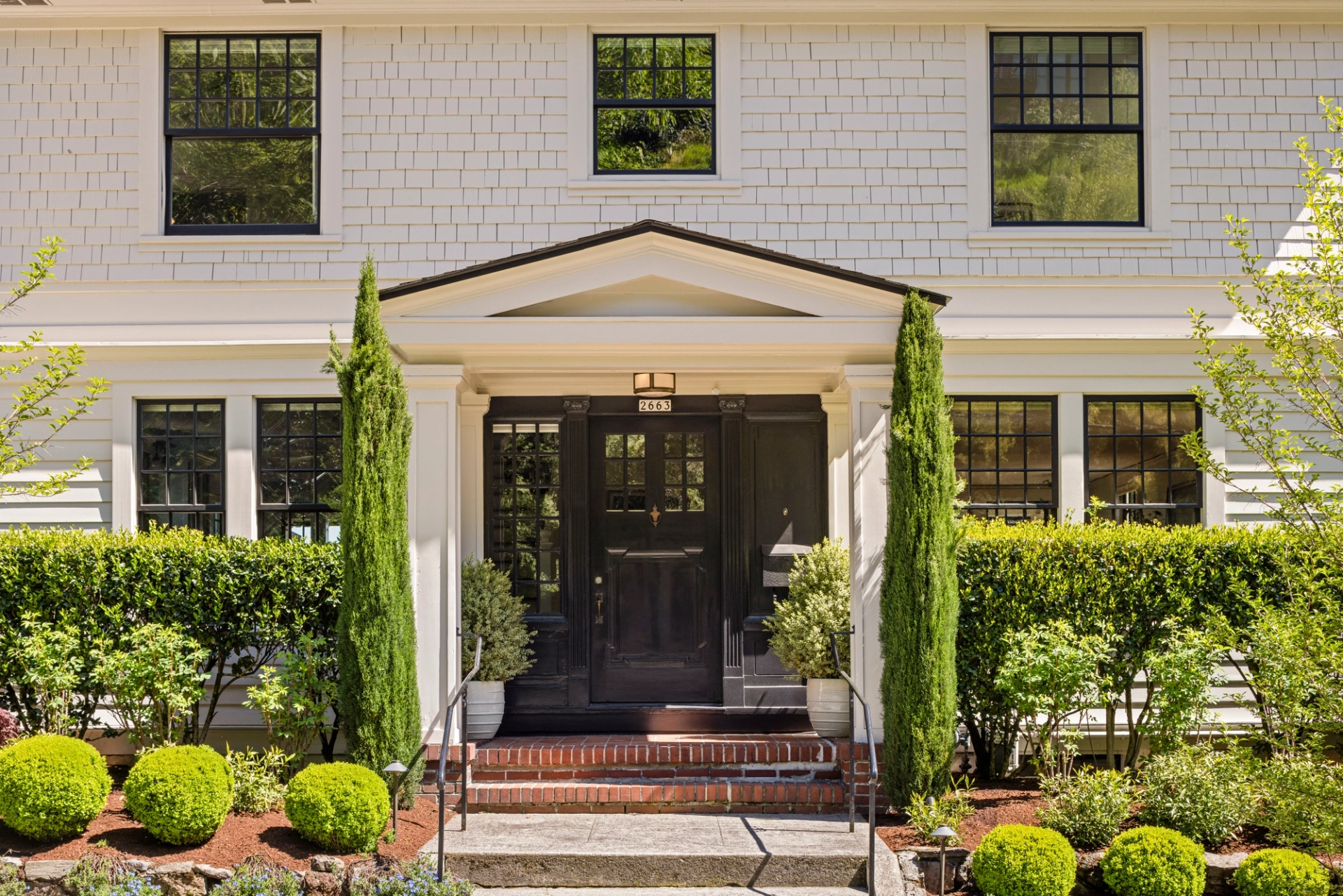
Where classic beauty meets sweeping mountain and city views
2663 NW Westover Rd, Portland
Above the city’s rhythm, this Kings Heights traditional offers a rare buildable lot, sweeping mountain and skyline views, and seamless indoor-outdoor living. Featuring an expansive deck, outdoor kitchen, classic chef’s kitchen, and easy access to Forest Park, NW 23rd, and downtown—this is elevated Portland living at its finest.
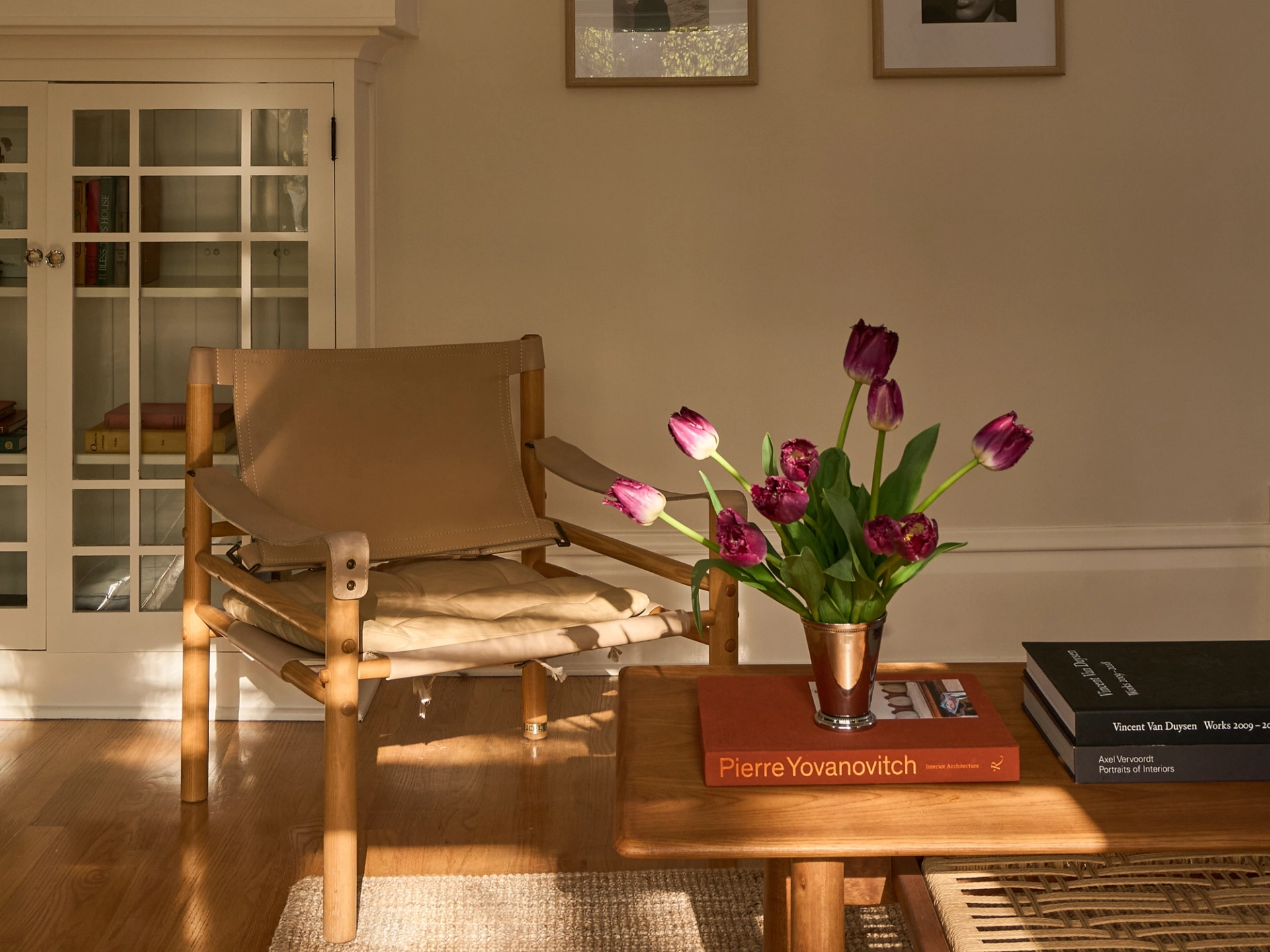
A beautiful classic in the heart of Laurelhurst
444 NE Floral Pl, Portland
Perched on a quiet Laurelhurst street, 444 NE Floral Place is a classic 1911 Craftsman with original details, warm light, and garden views. A front porch and back deck offer easy, relaxed living just blocks from NE Portland’s shops and dining.
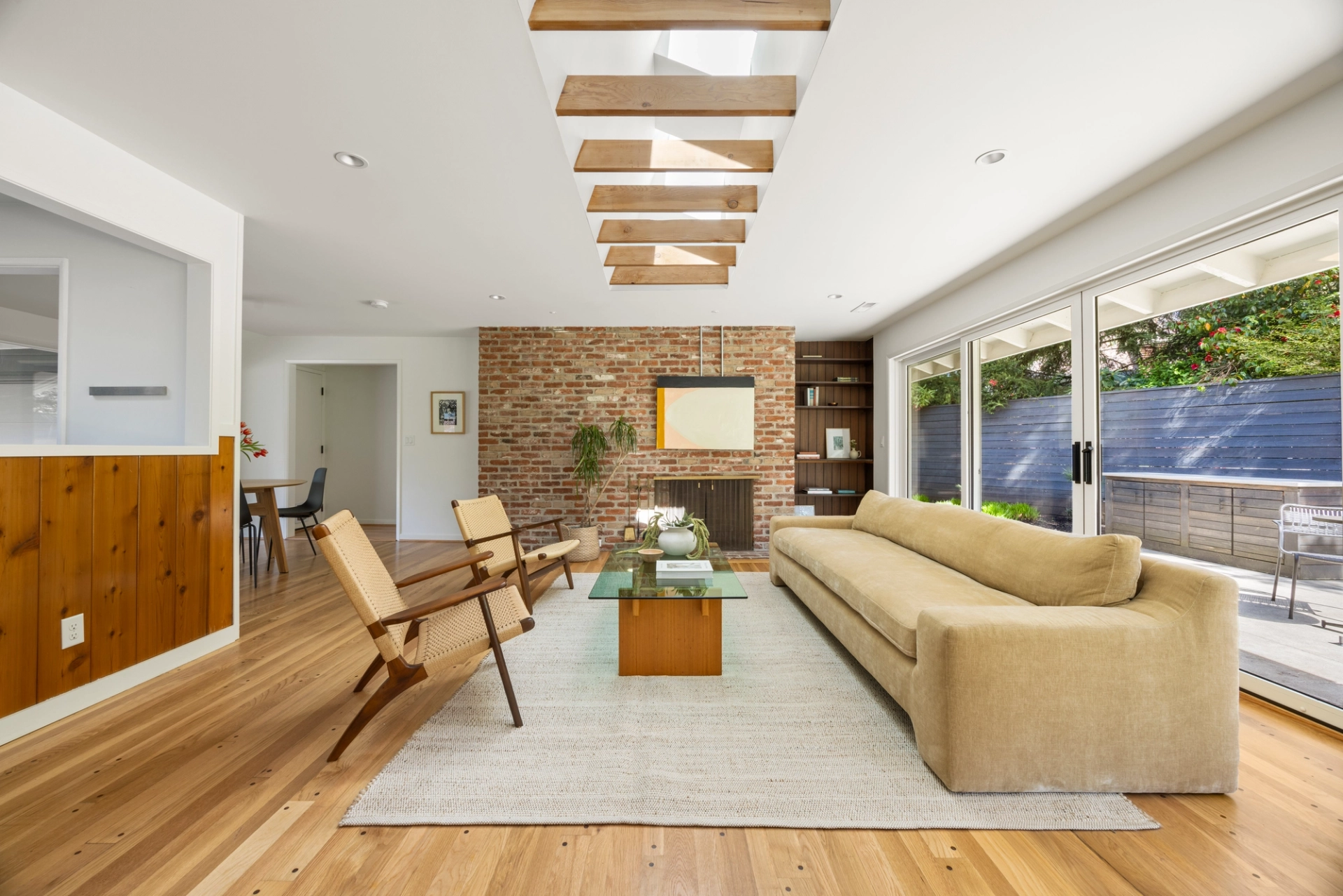
California cool meets Portland modern
7000 SW 63rd Ave, Portland
This renovated 1956 midcentury ranch in Southwest Portland offers California contemporary style with seamless indoor-outdoor flow. Upgraded with over $585K in thoughtful details—like a cedar hot tub, skylit interiors, and lush landscaping—it’s modern living with timeless charm.
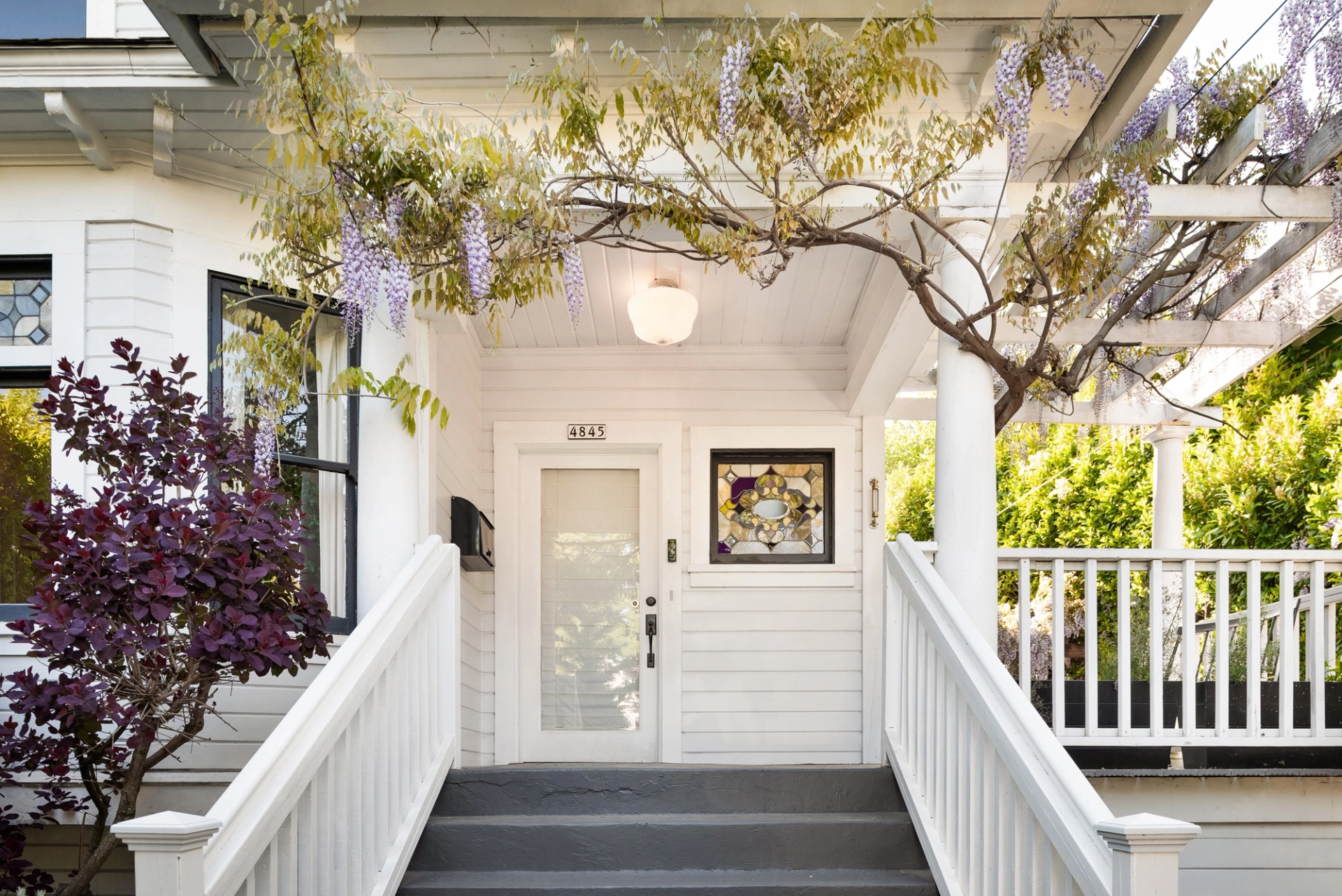
Contemporary Arts & Crafts meets urban living in North Williams
4845 N Williams Ave, Portland
This 1906 Craftsman blends timeless charm with modern ease in one of Portland’s most vibrant neighborhoods. With original details, a light-filled layout, and a private Airbnb suite, it’s a rare find just steps from local favorites like Albina Press and Mississippi Studios.
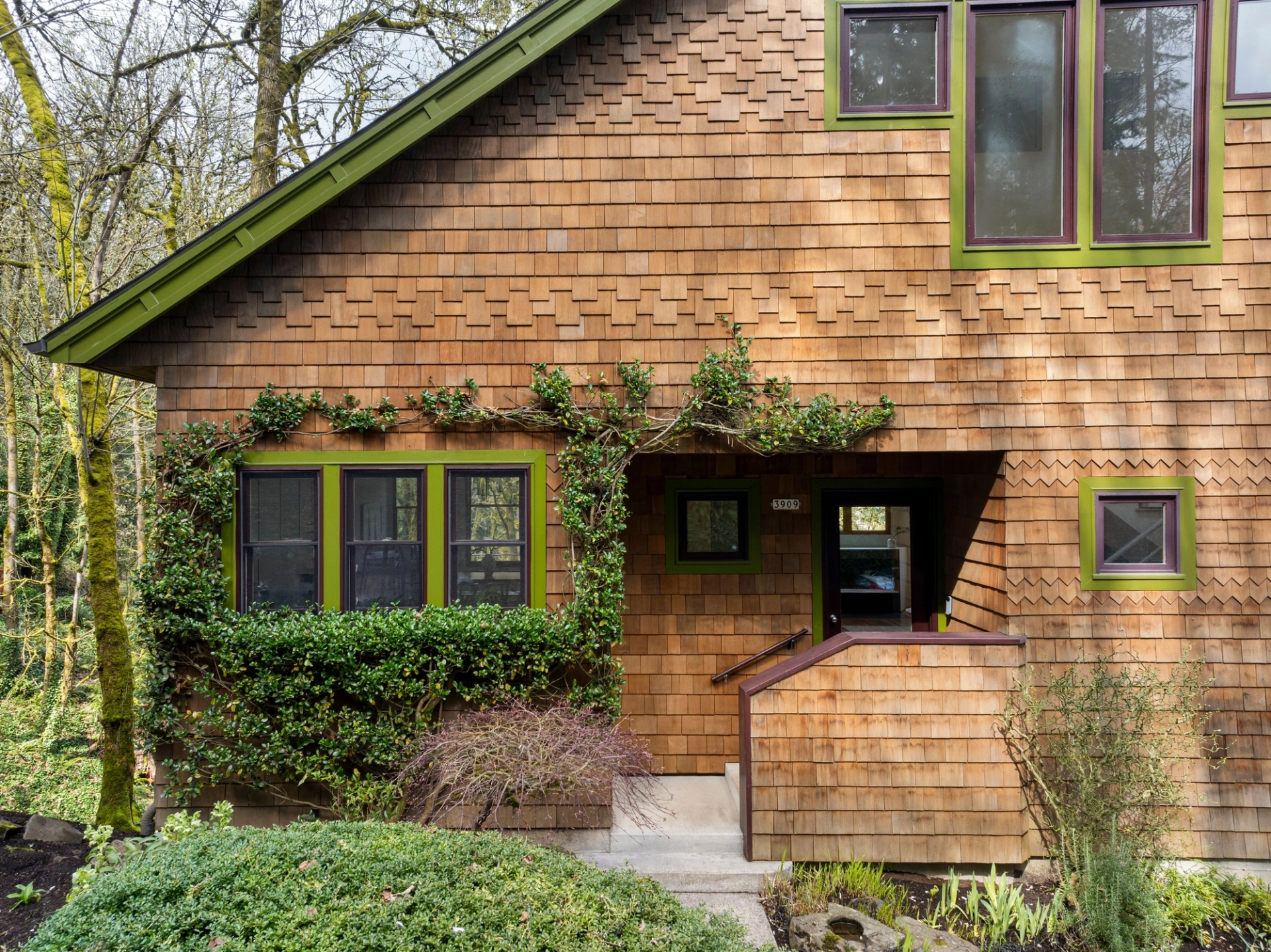
A melodic retreat where design, harmony, and nature converge
3909 NW Thurman St, Portland
Set in the trees near Forest Park, this architect-designed home blends nature, community, and creativity. With vaulted ceilings, cedar finishes, and expansive decks, it’s a serene retreat just minutes from the city.
Alfred Edelman’s mid-century modern cedar sanctuary
3418 NW Thurman St, Portland
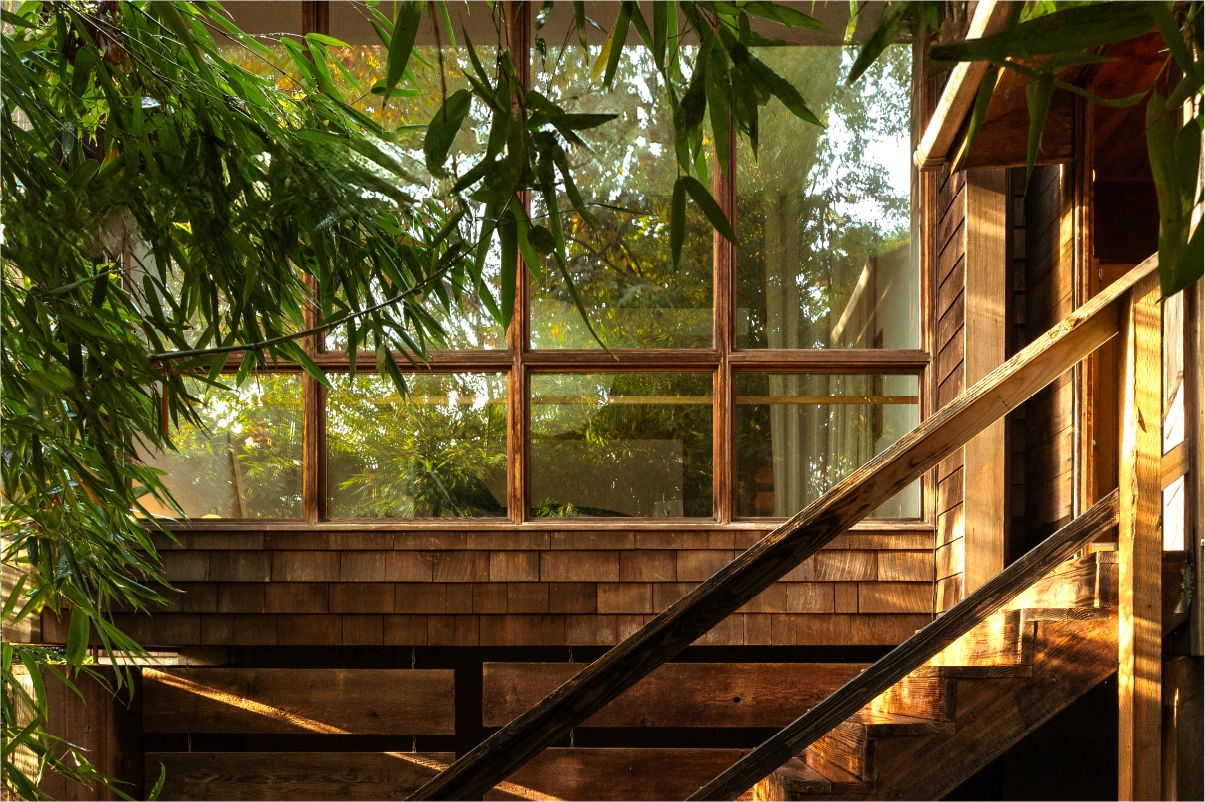
This iconic 1969 mid-century modern home on NW Thurman, commissioned by artist Eric Marcoux and designed by architect Alfred Edelman, embodies Portland's modernist architecture and a connection to art and nature.
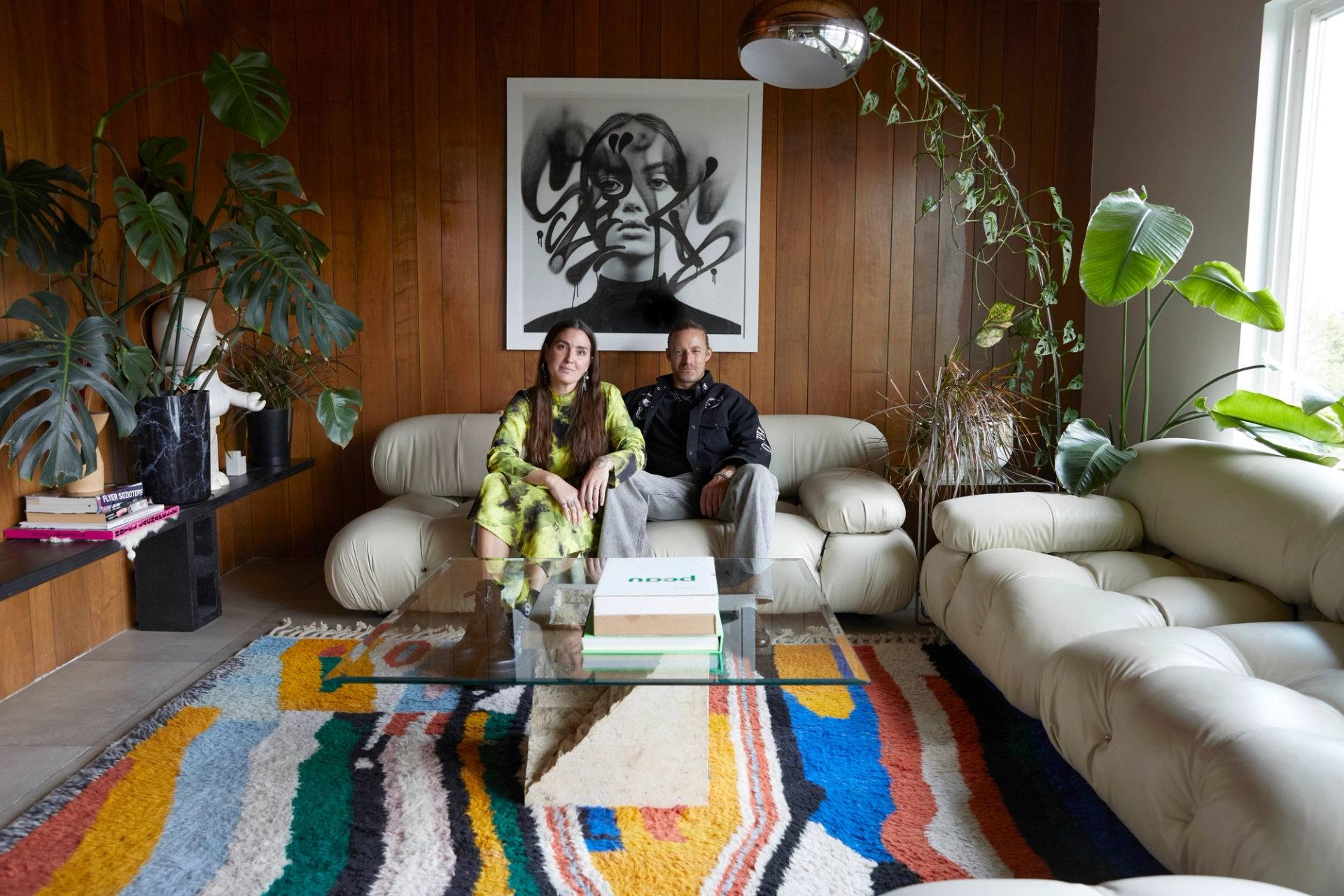
Taralyn and Aaron’s eccentric mid-century entertaining haven.
7221 SE Madison St, Portland
Refined mid-century modern home on a quiet Mt. Tabor street, offering stunning views of Mt. Hood and the neighborhood.